
The Mascot
1933
No user ratings available yet
Representation score: 1.7 out of 10
Representation Score
Limited
1935
ApprovedDirector
Arthur Davis
Runtime
9 minutes
Average Rating
No ratings yetNew Showbiz Analysis
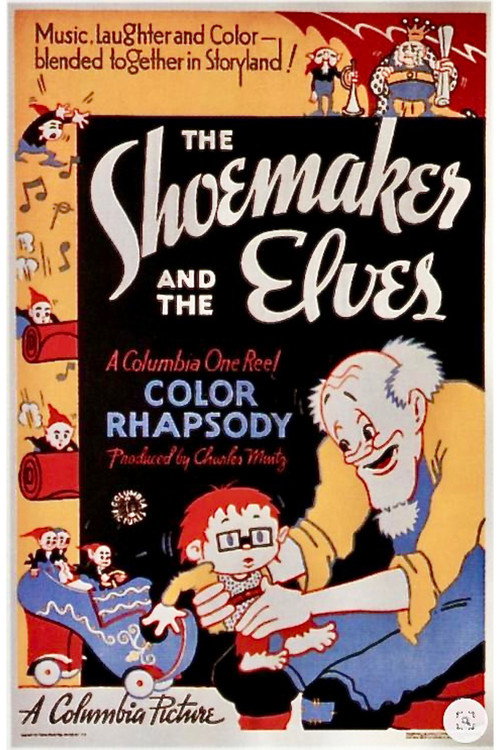
This 1935 animation functions as a classic moral fable, emphasizing individual virtue and providence. The narrative relies on the 'virtuous poor' cliché, focusing on a shoemaker's kindness toward a wandering child. While the film offers a heartwarming tale of non-biological family formation, it adheres strictly to the social hierarchies of its era. The story reinforces conventional domestic structures and traditional Western ethics without challenging the status quo. Ultimately, the film provides a narrow view of the world, prioritizing a homogeneous setting and male-centric character arcs over diverse representation.
Category Breakdown
The film focuses on a platonic, paternal bond between the shoemaker and the boy. There is no evidence of non-straight relationships or same-sex intimacy.
The story centers on male figures, with the shoemaker and the child driving the plot. This lack of women's ability to drive the story reflects a traditional gender hierarchy.
The setting appears homogeneous and Anglo-centric, as no specific racial or ethnic markers are mentioned. There is no indication of diverse casting.
The narrative reinforces Western values of charity and industriousness. It promotes a traditional nuclear family model through the adoption of the child.
The homeless boy experiences physical hardship due to the storm, but he lacks independent ability to act. There is no evidence of neurodivergence or permanent disability.
Present on Screen
Limited or Absent
Official Synopsis
A homeless waif, staggering through a roaring snow storm, wanders into a small town. and no one except a poor shoemaker will give the little boy shelter from the storm. That night, the elves come in with their equipment and material, and make a new supply of shoes for the old man. In the morning, see what has happened, the old man tells the boy he has brought him luck, and can stay with him as his adopted son.
1933
1951
1955

1950
1954

1955
1944
1913
No reviews yet. Be the first to share your thoughts on this movie!
Use the rating form above to leave a star rating and optional review.