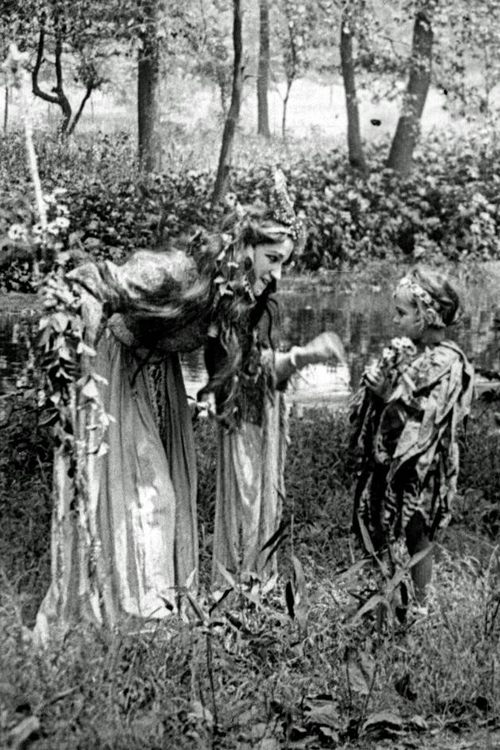
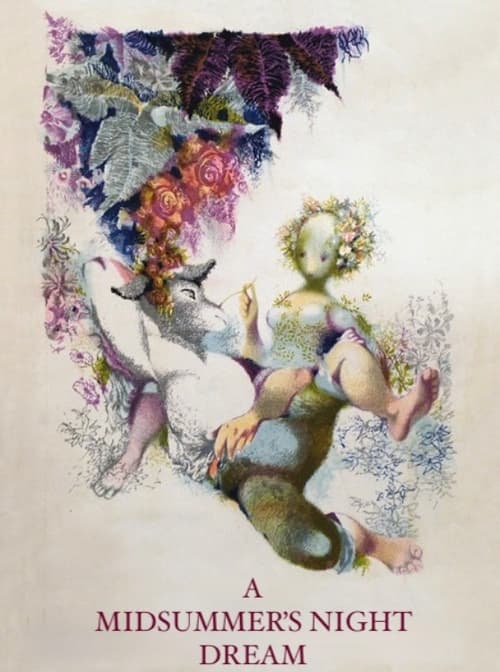
A Midsummer Night's Dream
1909
No user ratings available yet
Representation score: 0.5 out of 10
Representation Score
Limited
1959
Director
Jiří Trnka
Runtime
76 minutes
Average Rating
No ratings yetNew Showbiz Analysis
Jiří Trnka’s stop-motion adaptation is a technical achievement that upholds Shakespearean tradition while avoiding social critique. Its narrative structure is firmly grounded in the classical Western canon, adhering to established romantic and hierarchical norms. The film’s aesthetic and gender roles reflect both its mid-century production and its source material. While visually impressive, the character dynamics do not challenge historical social structures. Ultimately, the work celebrates high-art craftsmanship and classical European culture, rather than serving as a platform for diverse identity representation.
Category Breakdown
The film follows traditional heterosexual relationships without any queer undertones. The romantic pairings of the Athenian lovers and the union of Oberon and Titania stick to conventional pairings.
Female characters often play secondary roles, influenced by magic or driven by male characters. The Athenian couples adhere to traditional romantic roles.
The film features a highly Eurocentric, classical look. Differences between the noble and magical worlds are conveyed through textures rather than ethnic or racial diversity.
It emphasizes Renaissance mythological and comedic structures, celebrating traditional Western storytelling and high-art craftsmanship.
Characters with disabilities are not central to the narrative. The stylized puppet format does not allow for typical representations of disabilities.
Present on Screen
Limited or Absent
Official Synopsis
The first puppet film shot in CinemaScope. It is based on the famous poetic comedy by William Shakespeare. Three worlds meet in this story: the noble world of three Athens couples, a common popular world of tradesmen amateur theatre and a fairy-tale happiness of magic creatures as elves and nymphs. The film is considered the most remarkable Jiří Trnka's work and a milestone in the history of the world animation.
1909
1926
1948
1988
1996
1999
1935
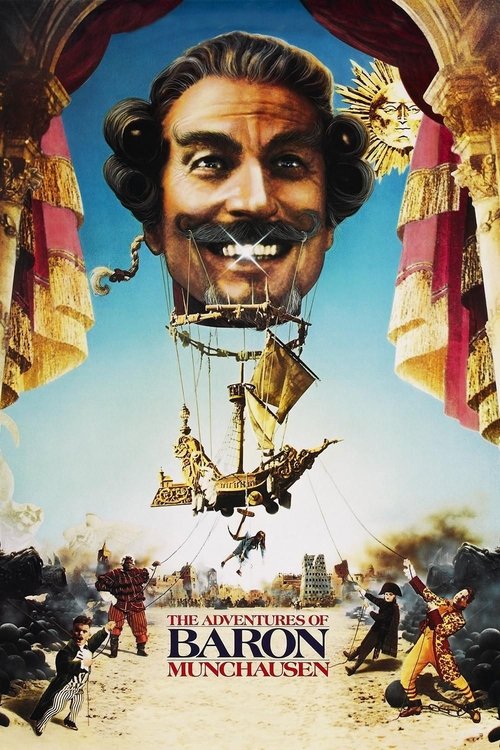
1988
No reviews yet. Be the first to share your thoughts on this movie!
Use the rating form above to leave a star rating and optional review.