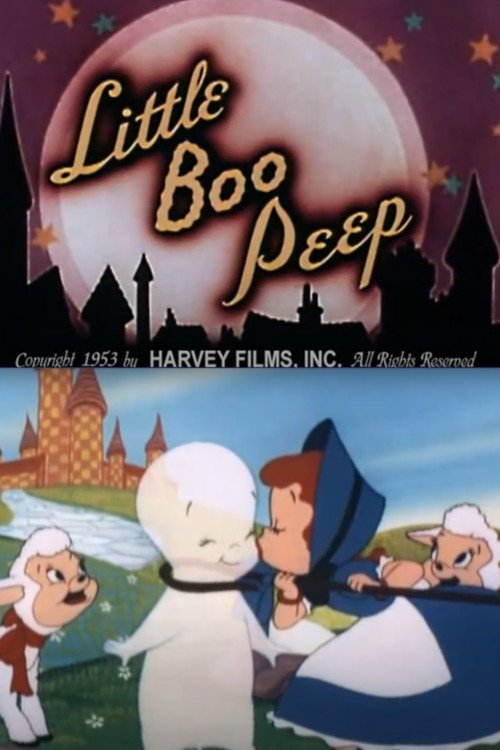
Little Boo-Peep
1953
No user ratings available yet
Diversity score: 1.5 out of 10
No Poster Available
1951
PassedDirector
Seymour Kneitel
Runtime
9 minutes
Average Rating
No ratings yetSynopsis
Little Billy and Isabel catch Red Lantern, the Magic Fish. He takes them to the Land Of The Lost to meet King Find All, Rosita Wristwatch, and Wally Pocketwatch.
Overall Score
Minimal
Category Breakdown
LGBTQ+ Representation
The film lacks any evidence of non-heteronormative identities or same-sex intimacy. The romance genre likely adheres to the traditional romantic tropes common in 1951.
Gender Representation
Characters Billy and Isabel are identified by gender, but their specific roles remain unclear. There is no indication of female agency or the subversion of traditional hierarchies.
Racial & Ethnic Diversity
The narrative focuses on a fantasy setting with metaphorical elements like watches and fish. It lacks mention of a diverse cast or non-Anglo-Saxon identities.
Religious & Cultural Diversity
The story follows a conventional moral fable framework. It does not appear to challenge Western institutions or promote themes of moral relativism.
Disability Representation
There is no mention of characters with visible or invisible disabilities. The film provides no evidence of neurodivergent representation.
Strengths
Areas for Improvement
AI Analysis
Land of Lost Watches is a traditional fantasy-romance animation that follows a standard hero's journey. The plot centers on children encountering a magical fish to enter a fantastical realm, prioritizing classic storytelling structures. The film reflects the social constraints and production standards of early 1950s animation. It relies on conventional character archetypes rather than intersectional representation or the disruption of established social hierarchies. Ultimately, the work functions as a standard mid-century fable, lacking the thematic depth or diverse casting required to challenge the homogeneous standards of its era.
No reviews yet. Be the first to share your thoughts on this movie!
Use the rating form above to leave a star rating and optional review.