
Range Riders
1934
No user ratings available yet
Representation score: 1.3 out of 10
Representation Score
Minimal
1933
PassedDirector
D. Ross Lederman
Runtime
58 minutes
Average Rating
No ratings yetNew Showbiz Analysis
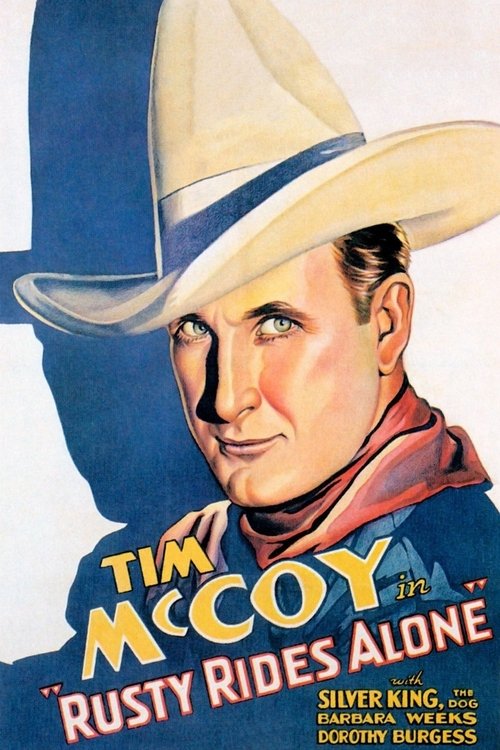
Rusty Rides Alone is a traditional 1930s Western that follows established social hierarchies. The plot revolves around land disputes and gang allegiances, emphasizing traditional frontier themes rather than challenging these norms. The film focuses almost exclusively on male-driven conflicts and lacks multi-layered complexity. It adheres to the demographic norms of its time, showing limited diversity. Overall, the film serves as a conventional genre piece that does not offer much in terms of progressive representation or identity-focused storytelling.
Category Breakdown
The film centers on conflicts related to land and ranch ownership, which are traditionally associated with masculinity. There is no indication of any non-straight or non-cisgender identities or same-sex relationships.
The main characters are male, such as Bart Quillan and Burke, and the story emphasizes their physical strength and ability to act. The narrative follows a traditional masculine hierarchy.
The film likely reflects the predominantly white demographics of the early sound era. It does not show a diverse cast with non-white characters.
The storyline upholds traditional Western values, emphasizing individual justice and the preservation of established social and economic structures like the ranch.
The story does not include any characters with physical or neurodivergent disabilities.
Present on Screen
Limited or Absent
Official Synopsis
Bart Quillan and his sons are after Martin's ranch. Burke arrives to help Martin but being outnumbered he hopes to get help from Powers. But no one is sure which side Powers and his gang are on.
1934
1935
1934
1931
1930
1943

1939
1936
No reviews yet. Be the first to share your thoughts on this movie!
Use the rating form above to leave a star rating and optional review.