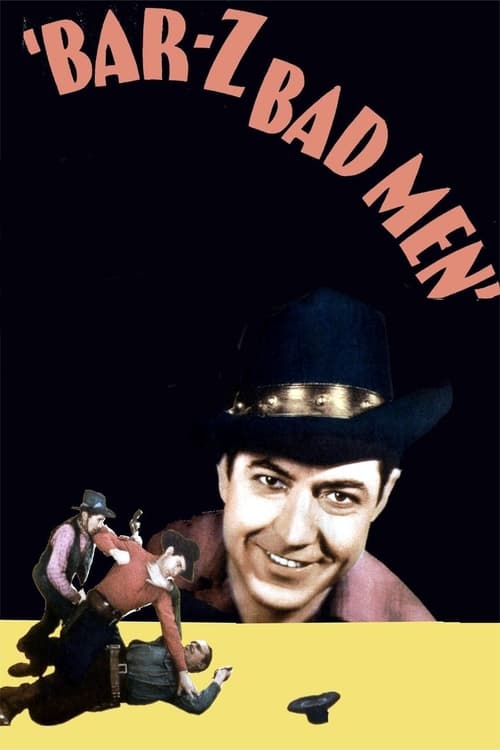
Bar-Z Bad Men
1937
No user ratings available yet
Representation score: 0.5 out of 10
Representation Score
Minimal
1932
PassedDirector
John P. McCarthy
Runtime
54 minutes
Average Rating
No ratings yetNew Showbiz Analysis
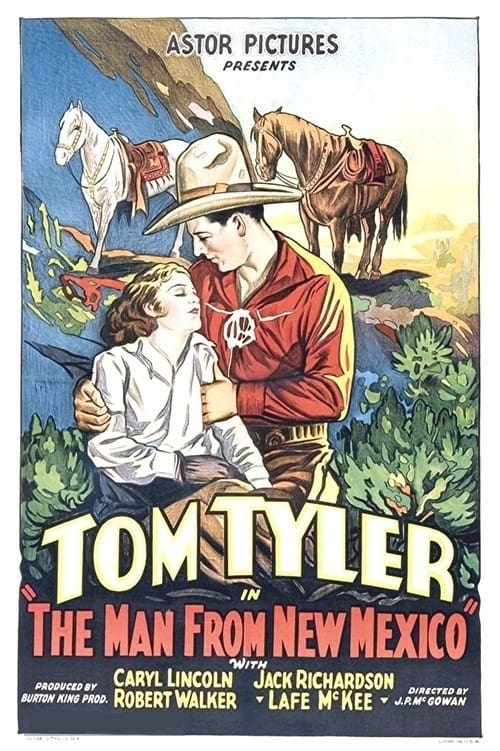
The Man from New Mexico is a conventional 1932 Western that upholds the rigid social hierarchies of its time. The narrative is driven by male characters like Jess Ryder and Bat Murchinson, focusing on ranching conflicts and physical confrontations. Representation is limited by the genre’s historical emphasis on individualist heroism and established order. The film lacks complexity in reflecting multiple aspects of identity, instead prioritizing traditional patriarchal and Anglo-American frontier values. While the film provides a standard genre experience, it offers little disruption of social norms. It functions primarily as a study of mid-century Western archetypes and the protection of private property.
Category Breakdown
The film does not include any characters with LGBTQ identities. It follows the traditional assumption that everyone is straight and cisgender.
The story focuses on male-dominated settings and physical confrontations. Sally Langton is portrayed as a recipient of information rather than an active participant.
The narrative centers on the Anglo-American frontier experience. There are no non-white characters with significant roles or diverse casting.
The plot emphasizes property rights and the protection of ranching institutions. It aligns with conservative values focused on law, order, and private enterprise.
A wounded rider is used as a plot device to trigger the mystery. This does not provide a nuanced portrayal of disability.
Present on Screen
Limited or Absent
Official Synopsis
The cattle on the Langton Ranch are mysteriously dying and cowhands are disappearing or being shot. Two Langton riders bring a wounded rider they found wounded and hung up in a barbed-wire fence to Sally Langton and report that her father is missing. A lone rider, Jess Ryder, tops a rise and sees a band of men working on some calves in a secluded corral, and he frowns as he sees what Bat Murchinson is doing.
1937
1932
1937
1932
1938
1931
1932
1934
No reviews yet. Be the first to share your thoughts on this movie!
Use the rating form above to leave a star rating and optional review.