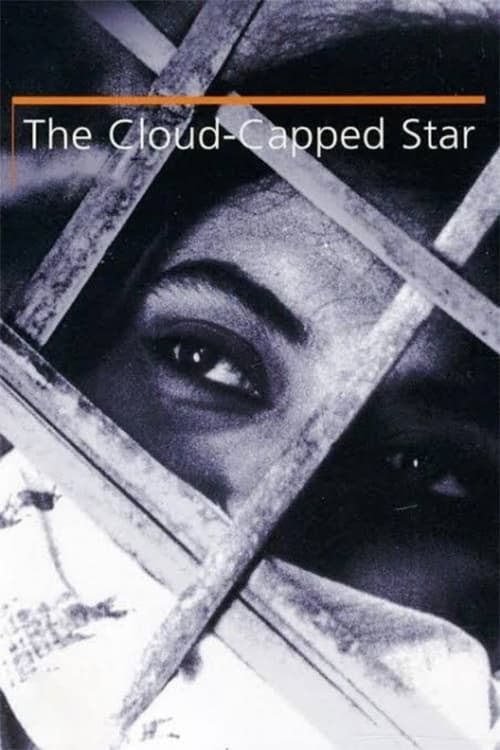
The Cloud-Capped Star
1960
No user ratings available yet
Representation score: 6.7 out of 10
Representation Score
Good
1958
Director
Ritwik Ghatak
Runtime
124 minutes
Average Rating
No ratings yetNew Showbiz Analysis
Ritwik Ghatak’s *Runaway* is a sophisticated study of displacement and the breakdown of the domestic sphere. By viewing the world through a child's eyes, the film deconstructs the traditional family unit, reframing it as a site of trauma rather than a sanctuary. The film excels in its critique of patriarchal dominance and its focus on the socio-ethnic realities of the Bengali refugee experience. It moves beyond simple melodrama to address the systemic failures of post-colonial social structures. While the film lacks LGBTQ+ representation and specific character studies of physical disability, its thematic depth regarding psychological strain and institutional failure provides a powerful perspective.
Category Breakdown
The film does not include any LGBTQ+ characters or non-assuming gender matches what was assigned at birth identities. The focus is entirely on the survival and psychological state of the child and his immediate family.
The film challenges traditional gender roles by depicting the father as a predatory and oppressive figure. The mother is shown as a victim of systemic domestic oppression, which subverts typical patriarchal archetypes.
Set within a Bengali context, the film centers on the experiences of displaced refugees. It highlights the socio-ethnic realities of those underrepresented by the geopolitical shifts of the Partition.
The story critiques the post-independence social order as fractured and unable to protect the vulnerable. The protagonist's rebellion is framed as a response to a corrupt systemic structure.
The film explores themes of psychological trauma and the mental strain of displacement. It presents these struggles with raw realism, avoiding unromanticized clichés.
Present on Screen
Limited or Absent
Official Synopsis
Kanchan, all of eight years old, is always up to pranks and mischief in his village home. He finds his father a cruel demon who keeps his mother oppressed and imprisoned. In his dreams, the big city is El Dorado, until he reaches there.
1960
1955
1965

1959
1954

2017
1974

2005
No reviews yet. Be the first to share your thoughts on this movie!
Use the rating form above to leave a star rating and optional review.