
Music City U.S.A.
1966
No user ratings available yet
Representation score: 1.3 out of 10
Representation Score
Limited
1970
GDirector
Robert Elfstrom, David Hoffman
Runtime
85 minutes
Average Rating
No ratings yetNew Showbiz Analysis
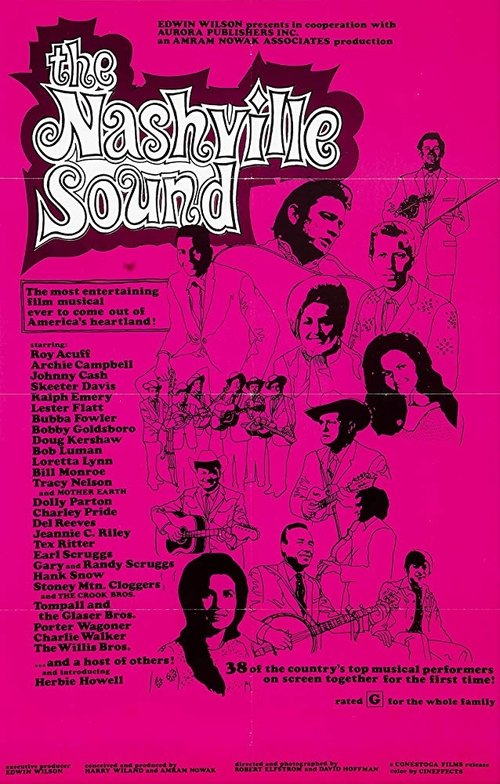
The Nashville Sound documents the country music industry of the late 1960s, capturing a conservative era that limits the diversity of its demographic representation. While the film highlights female and Black artists, it primarily celebrates traditional Western musical institutions. The representation is significant but confined to the professional hierarchies of the time. Ultimately, the documentary reflects the social realities of its period, prioritizing the preservation of a specific cultural heritage over a diverse or critical perspective.
Category Breakdown
The film follows the social norms of the 1960s music industry and does not include any LGBTQ+ characters, themes, or non-straight relationships.
Female artists like Dolly Parton and Loretta Lynn are highlighted as central performers, but their roles are defined within the traditional gender hierarchies of the mid-20th century music industry.
Charley Pride's inclusion introduces a significant layer of representation, challenging the expected homogeneity of the Nashville music scene. His presence adds nuance to the predominantly white genre.
The documentary preserves regional identity and Southern social structures, focusing on the celebration of traditional Western musical heritage. It does not offer a critical look at these structures.
The film does not feature or discuss neurodivergence or physical disabilities. It does not use disability as a central theme or narrative device.
Present on Screen
Limited or Absent
Official Synopsis
Interviews and performances with Nashville celebrities and hopefuls from the late 1960's era of the Nashville music scene. Featured performers include Porter Waggoner, Tex Ritter, Dolly Parton, Roy Acuff, Lester Flatt, Earl Scruggs, Johnny Cash, Charley Pride, Jeannie C. Riley, Loretta Lynn, Bill Monroe, and more.
1966
1978
1969
1968
1967

1976
2015
2017
No reviews yet. Be the first to share your thoughts on this movie!
Use the rating form above to leave a star rating and optional review.