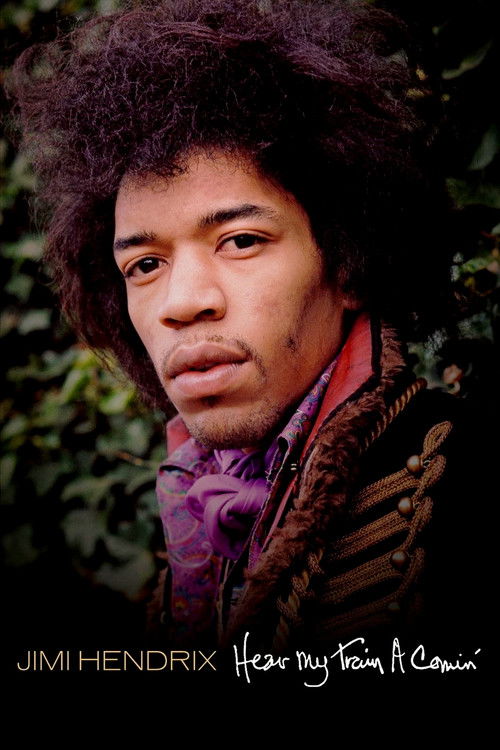
Jimi Hendrix: Hear My Train a Comin'
2013
No user ratings available yet
Representation score: 4.6 out of 10

Representation Score
Fair
1973
RDirector
Joe Boyd, John Head, Gary Weis
Runtime
98 minutes
Average Rating
No ratings yetNew Showbiz Analysis
This documentary serves as a powerful historical record of Black excellence, challenging Anglo-centric views of rock history by highlighting Jimi Hendrix's musical innovation and influence. It effectively captures the essence of the 1960s countercultural movement and its rejection of mid-century social norms. However, the film is limited by the era's social norms. The narrative structure is heavily male-centric, focusing on the 'guitar hero' archetype, while LGBTQ+ identities and queer narratives remain largely unexplored. Ultimately, the film's strength lies in its portrayal of racial and cultural disruption, despite reflecting the gendered and straight-centered constraints of the 1960s music industry.
Category Breakdown
The documentary does not focus on queer identities or non-binary gender narratives. Instead, it centers on Hendrix's professional life without delving into the era's potential for same-sex relationships.
The film highlights a male-dominated industry, emphasizing the 'guitar hero' archetype. Women appear in archival footage but play minor roles in the overall narrative.
The documentary offers substantial visibility into the Black experience within rock music. By focusing on Jimi Hendrix, it underscores the significant impact of Black artists on global culture.
The documentary captures the 1960s counterculture, which rejected traditional social norms. It portrays a period marked by non-conformist behavior and a questioning of established institutions.
The film does not provide significant focus on visible or invisible disabilities. Disability is not used as a narrative device within this biographical study.
Present on Screen
Limited or Absent
Official Synopsis
Made shortly after his death, this documentary explores the brief life and remarkable legacy of guitarist Jimi Hendrix. After finding fame in the U.K., Hendrix brought his act back to the U.S., where his influential playing style left a blazing imprint on a whole generation of musicians. Employing interviews with family and contemporaries, such as Eric Clapton, as well as scorching live performances from Woodstock and Isle of Wight, the film paints an indelible portrait of a rock 'n' roll legend.
2013

2021
2015
2018
1987

1978

2015
2010
No reviews yet. Be the first to share your thoughts on this movie!
Use the rating form above to leave a star rating and optional review.