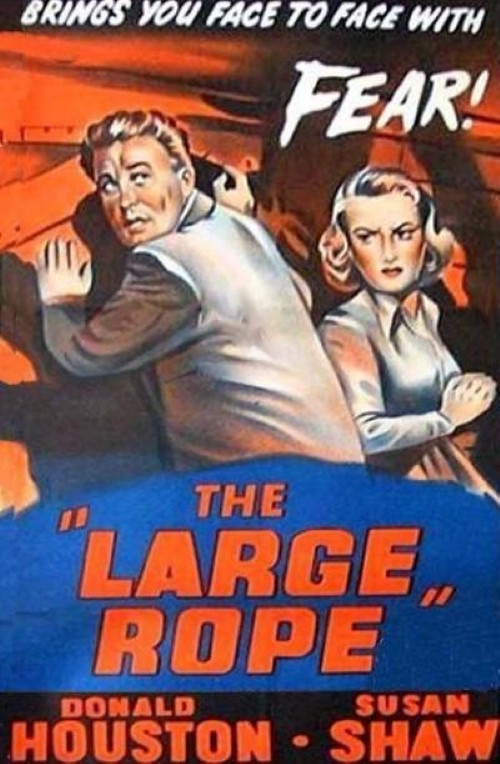
The Large Rope
1953
No user ratings available yet
Representation score: 1.8 out of 10
Representation Score
Minimal
1953
NRDirector
Terence Fisher
Runtime
73 minutes
Average Rating
No ratings yetNew Showbiz Analysis
Mantrap is a quintessential mid-century crime thriller that emphasizes atmospheric tension and traditional narrative structures. The film stays within the moral and social boundaries of its time, reinforcing conventional hierarchies without challenging them. The plot relies on familiar clichés of suspicion and exoneration. Themes of madness and justice serve the suspense of the genre rather than providing meaningful representation of neurodivergence or diverse identities. Overall, the film reflects the demographic and social norms of 1950s British cinema. It remains a typical work of its era, maintaining a narrow, homogeneous focus.
Category Breakdown
There are no LGBTQ+ characters or non-assuming gender matches what was assigned at birth identities in the film.
Female characters like Thelma Speight play important roles but are mostly defined by their relationships to men rather than by their own independence.
The cast is predominantly white, reflecting the demographics of 1950s British crime thrillers. The story lacks a multicultural cast.
The story follows traditional Western clichés centered around individual justice. It upholds conventional social hierarchies without critiquing them.
Insanity is used mainly as a device to create suspense. The portrayal of mental illness lacks a nuanced or empowered perspective.
Present on Screen
Limited or Absent
Official Synopsis
Branded as criminally insane and incarcerated for a murder he did not commit, Speight escapes from the asylum, determined to clear his name. He befriends private detective Hugo Bishop who, convinced that the wrong man has been convicted, agrees to help find the real killer. They begin their search for the murderer closest to home where both Thelma Speight and her employer Maurice Jerrard were visibly distressed by the news of her husband's jailbreak. More than Speight's 'insanity' fuels their worries.
1953
1956
1948
1947
1950
1950
1950
1950
No reviews yet. Be the first to share your thoughts on this movie!
Use the rating form above to leave a star rating and optional review.