
Desperate
1947
No user ratings available yet
Representation score: 0.3 out of 10
Representation Score
Minimal
1951
NRDirector
John Berry
Runtime
77 minutes
Average Rating
No ratings yetNew Showbiz Analysis
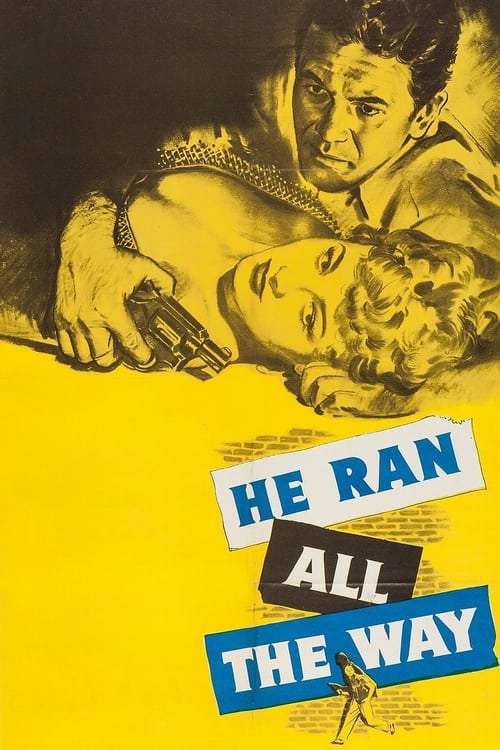
He Ran All the Way is a product of its historical era, functioning as a standard crime thriller from the early 1950s. The narrative relies on established clichés, such as the fugitive outsider and the innocent domestic inhabitant, rather than challenging social norms. The film lacks the intentionality required to disrupt conventional social hierarchies. It follows a predictable noir-adjacent trajectory that prioritizes traditional moral binaries over meaningful representation of diverse backgrounds. Ultimately, the work reflects the restrictive social landscapes and homogeneous casting standards typical of mid-20th-century cinema.
Category Breakdown
The film follows the straight-centered social norms of the 1950s. There is no evidence of non-straight relationships or critiques of traditional social structures.
The narrative relies on the 'innocent girl' cliché, positioning female characters as passive catalysts for male-driven drama. It lacks evidence of women's ability to drive the story or the subversion of mid-century gender roles.
Reflecting the homogeneous casting standards of 1951 Hollywood, the film shows no indication of diverse casting. There is no evidence of intentional blending of different backgrounds or racial variety.
The story operates within traditional Western genre conventions and moral binaries. It does not appear to challenge Western institutions or promote anti-establishment ideologies.
No specific details regarding characters with visible or invisible disabilities are available in the verified context.
Present on Screen
Limited or Absent
Official Synopsis
A crook on the run hides out in an innocent girl's apartment.
1947

1950

1959

1964

1971

1949
1948
1952
No reviews yet. Be the first to share your thoughts on this movie!
Use the rating form above to leave a star rating and optional review.