
Human Capital
2013
No user ratings available yet
Diversity score: 5.8 out of 10
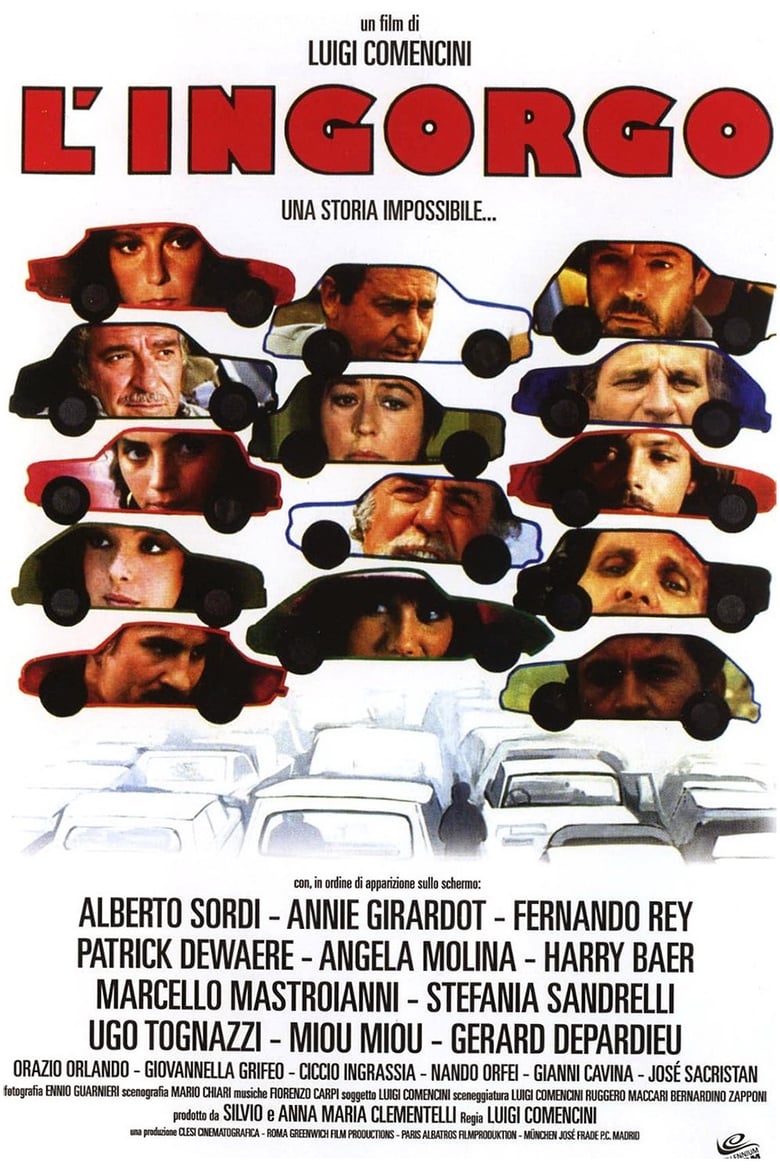
1979
Director
Luigi Comencini
Runtime
121 minutes
Average Rating
No ratings yetSynopsis
A large international cast takes part in this comedy in which the stories of numerous individuals whose cars are stalled in a massive Roman traffic jam are told.
Overall Score
Fair
Category Breakdown
LGBTQ+ Representation
The film focuses on broad social archetypes rather than specific queer identities. While personal dramas may touch upon non-traditional lifestyles, there is no evidence of explicit LGBTQ+ character arcs.
Gender Representation
The chaos of the congestion suggests a subversion of the stable family unit. Traditional gender roles often dissolve or appear dysfunctional within this public, non-traditional setting.
Racial & Ethnic Diversity
Set on a Roman highway, the film likely reflects the Mediterranean demographic reality of late 1970s Italy. It appears to follow era-specific norms rather than pushing for intersectional diversity.
Religious & Cultural Diversity
The narrative functions as a social satire that deconstructs traditional Western order. It uses the absurdity of the traffic jam to critique the fragility of modern societal structures.
Disability Representation
The film's focus on hysteric and grotesque reactions may touch upon mental health-related responses to crisis. However, these elements appear to be used through a satirical lens.
Strengths
Areas for Improvement
AI Analysis
Luigi Comencini uses a massive 36-hour traffic jam as a microcosm to deconstruct social hierarchies. The film excels at cultural critique, using systemic failure to expose the instability of moral and social structures. While the film provides a rich social satire, it lacks specific focus on identity-based representation. It prioritizes the breakdown of institutional stability and social decorum over individual character arcs centered on race, gender, or sexuality. Ultimately, the work serves as a study of human behavior under pressure. It challenges the concept of a civilized society by showing how quickly traditional roles and social orders dissolve in a state of chaos.
2013
1980
1977

1999

2003
2007

2001
1999
1972
2004
1974
1996
No reviews yet. Be the first to share your thoughts on this movie!
Use the rating form above to leave a star rating and optional review.