The Dinner
1998
No user ratings available yet
Diversity score: 4.3 out of 10
1980
Director
Ettore Scola
Runtime
160 minutes
Average Rating
No ratings yetSynopsis
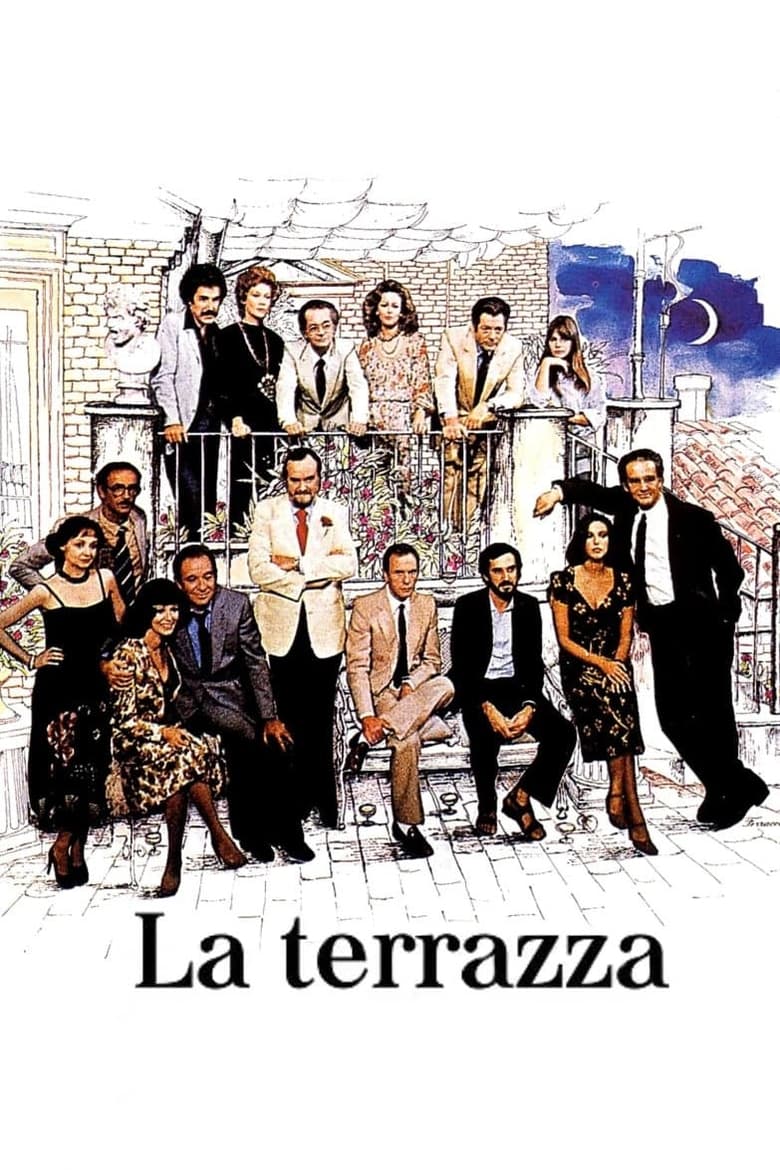
Eight Italian politicians from the communist party gather on a terrace in Rome for a get-together. They discuss about their past, present and future.
Overall Score
Fair
Category Breakdown
LGBTQ+ Representation
The film adheres to the heteronormative social structures of 1980s Rome. It does not center on queer romantic arcs or non-cisnormative identities.
Gender Representation
Women are granted complex interior lives rather than being relegated to submissive archetypes. The ensemble explores the nuances of interpersonal expectations between genders.
Racial & Ethnic Diversity
The cast remains largely homogeneous, reflecting the demographic realities of the Italian social landscape at the time. The focus remains on class rather than race.
Religious & Cultural Diversity
Scola excels at critiquing established institutions and traditional power structures. The film uses moral relativism to deconstruct the perceived stability of Western social cohesion.
Disability Representation
There is no prominent focus on neurodivergence or physical disabilities. Characters function within the standard parameters of the social realist tradition.
Strengths
Areas for Improvement
AI Analysis
Ettore Scola’s *The Terrace* is a sophisticated study of class and systemic social friction. It prioritizes a critique of political and social hierarchies over identity-specific representation, using an ensemble of politicians to expose the complexities of the existing social order. The film's strength lies in its observational realism and its ability to deconstruct traditional power structures. It avoids simple moralities, instead presenting characters through their flaws and the mundane realities of urban life. However, the film lacks significant movement in terms of racial, LGBTQ+, or disability representation. It remains a product of its specific era and demographic context, focusing heavily on Italian social stratification.
1998
1987

1984
1979
2020
1977
1985

1982
1977

1978
1962
2021
No reviews yet. Be the first to share your thoughts on this movie!
Use the rating form above to leave a star rating and optional review.