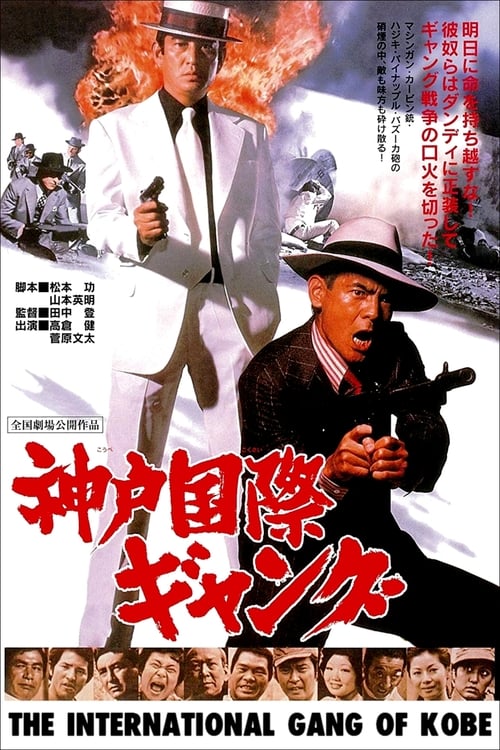
The International Gang of Kobe
1975
No user ratings available yet
Representation score: 4.3 out of 10
Representation Score
Good
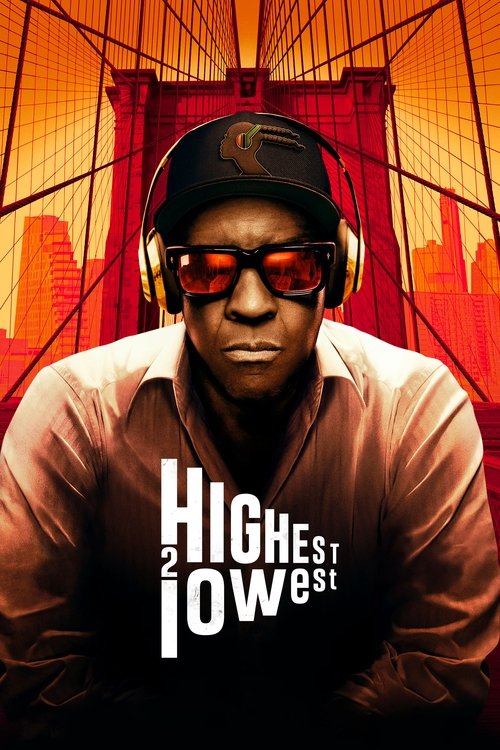
2025
RDirector
Spike Lee
Runtime
133 minutes
Average Rating
No ratings yetNew Showbiz Analysis
Highest 2 Lowest leverages Spike Lee’s commitment to Black ability to act to reframe a classic crime thriller. The predominantly Black cast and setting provide robust racial and cultural representation, challenging genre norms by centering Black economic power and artistic legacy. This intentional framing decolonizes the source material, offering a nuanced view of Black success and its moral burdens. However, the film’s diversity metrics are tempered by traditional narrative structures. The plot remains firmly centered on a male protagonist, limiting the subversion of gender hierarchies despite the presence of strong female characters. Additionally, while LGBTQ+ identified artists are included in the ensemble, their specific narrative roles and identities are not detailed in the available synopsis, preventing a higher score for inclusive representation. The absence of disability representation further lowers the overall score, as this theme is not integrated into the psychological or financial conflict. The film succeeds in racial and cultural reclamation but retains conventional gender dynamics and lacks multi-layered depth in other underrepresented categories.
Category Breakdown
The film features Princess Nokia and Ice Spice, known for their LGBTQ+ advocacy and fluid identities. However, their characters' romantic lives and specific identity explorations are not explicitly shown in the plot. Their presence suggests an inclusive cultural backdrop, but their roles in the story do not delve deeply into LGBTQ+ themes.
Ilfenesh Hadera plays Pam, who shares ability to act in the ransom decision. However, the plot is driven by male ambition and moral dilemmas, focusing on patriarchal leadership rather than subverting traditional gender hierarchies. While women are present and involved, they are not the primary agents of change in the story.
The predominantly Black cast challenges the historical whiteness of the crime thriller genre. By adapting a Japanese classic into a distinctly Black American context, the film centers Black narratives and economic self-determination, moving beyond including someone from a minority group without giving them real depth to celebrate Black cultural capital and artistic influence.
Set in the Black music industry, the film highlights themes of cultural preservation and the tension between personal wealth and community responsibility. The protagonist’s focus on buying back his company and art collection critiques capitalist pressures on Black creators.
There is no indication of characters with visible or invisible disabilities in the plot. The narrative focuses on psychological stress, moral conflict, and financial pressure. The absence of disability representation suggests that this theme is not central to the film’s narrative structure.
Present on Screen
Limited or Absent
Official Synopsis
When a titan music mogul, widely known as having the "best ears in the business", is targeted with a ransom plot, he is jammed up in a life-or-death moral dilemma.
1975

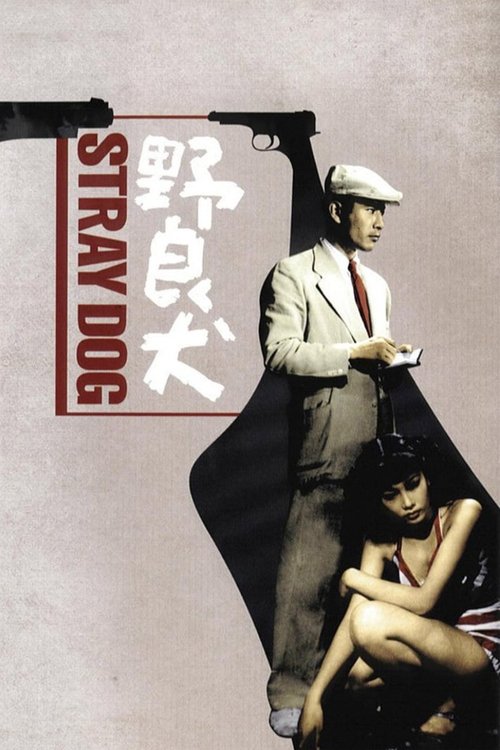
1960

1982
1949

1998
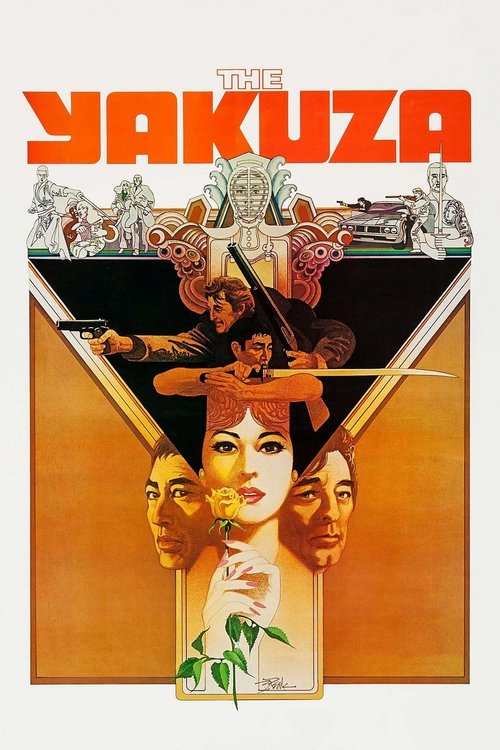
1974
1995

2026
No reviews yet. Be the first to share your thoughts on this movie!
Use the rating form above to leave a star rating and optional review.