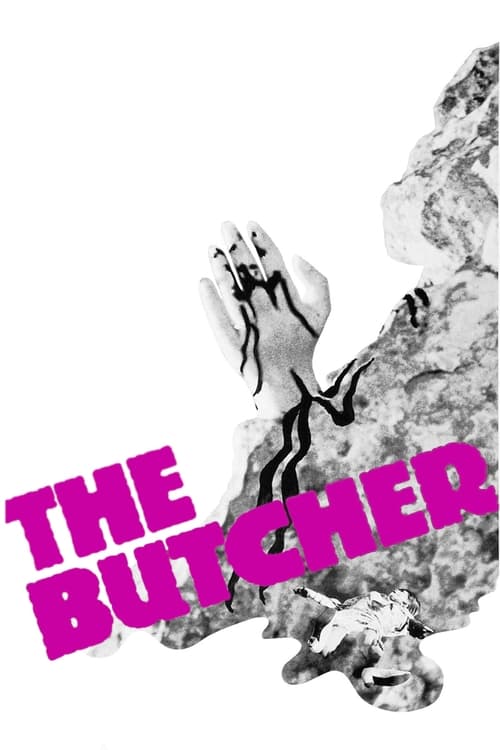
The Butcher
1970
No user ratings available yet
Representation score: 3.5 out of 10
Representation Score
Good
1982
Director
Claude Chabrol
Runtime
12 minutes
Average Rating
No ratings yetNew Showbiz Analysis
Claude Chabrol’s remake functions as a sharp intellectual critique of bourgeois stability. It succeeds in its cultural critique, using a postmodern lens to dismantle the perceived virtue of Western social hierarchies and traditional institutions. However, the film lacks demographic breadth. The narrative remains anchored in a homogeneous, provincial French setting, offering little visibility for racial or LGBTQ+ identities. The focus is strictly on the psychological and class-based decay of a specific socioeconomic group. Ultimately, the work prioritizes thematic deconstruction over diverse representation. It trades demographic diversity for a deep, cynical examination of moral relativism and the emptiness of established social structures.
Category Breakdown
The film does not explicitly depict non-straight identities or same-sex relationships. It explores psychological instability instead of specific LGBTQ+ narratives.
The story disrupts traditional gender roles by focusing on destructive interpersonal dynamics. Both men and women are shown through moral decay rather than typical masculine leadership or submissive femininity.
The cast is primarily made up of people from similar backgrounds, reflecting the film's focus on provincial France. There is no evidence of diverse ethnic representation.
The film criticizes Western capitalist structures by showing the bourgeoisie as morally adrift. It challenges the stability of traditional family and social institutions.
Mental instability is used to create plot tension rather than exploring neurodivergence. Psychological unraveling is used to illustrate broader themes of social decadence.
Present on Screen
Limited or Absent
Official Synopsis
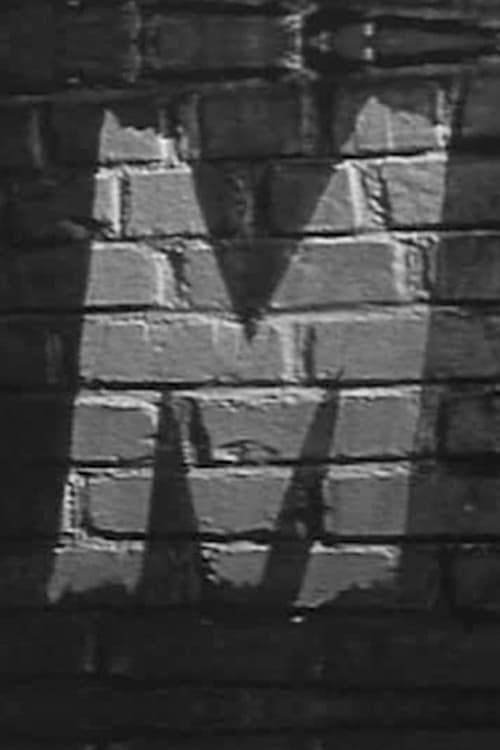
A Claude Chabrol remake of M by Fritz Lang for French television.
1970
1975
1978

1986
1985
1971

1967
1987
No reviews yet. Be the first to share your thoughts on this movie!
Use the rating form above to leave a star rating and optional review.