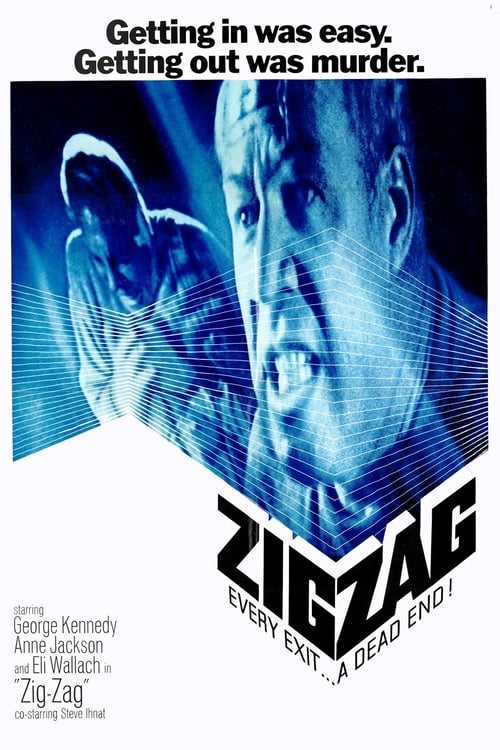
Zig Zag
1970
No user ratings available yet
Representation score: 1.4 out of 10
Representation Score
Limited
2026
RDirector
Gus Van Sant
Runtime
106 minutes
Average Rating
No ratings yetNew Showbiz Analysis
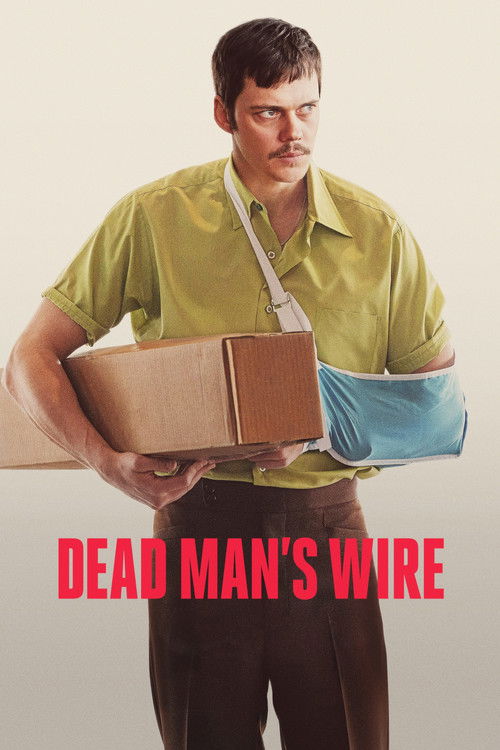
Dead Man’s Wire reflects its historical source: a white male captor and hostage drive the narrative. This limits gender and racial diversity in central roles, though Colman Domingo’s casting broadens the ensemble. The film’s strongest representational move is its cultural critique of predatory finance. By framing violence as a reaction to systemic greed, it challenges conventional crime narratives. However, women remain peripheral, and LGBTQ+ and disabled perspectives are entirely absent. The result is a pointed economic critique housed in a narrowly cast story.
Category Breakdown
No LGBTQ+ characters or same-sex relationships appear in the film. The narrative centers on heterosexual family dynamics and a male-dominated hostage standoff, leaving queer identities entirely absent from both plot and cast.
Men dominate every major role: captor, hostage, police, and FBI. Women appear only in supporting capacities, such as the hostage’s wife and Myha’la’s character, without shaping the central action or outcome.
The core conflict unfolds between white characters. Colman Domingo’s presence adds racial diversity to the ensemble, yet the primary narrative power and emotional stakes remain firmly with white men.
The film sharply critiques private equity and mortgage banking as corrupt systems that crush individuals. The protagonist frames his violence as a justified response to financial betrayal and systemic greed.
No characters with physical or mental disabilities are shown or identified. The story focuses on financial desperation and criminal action, omitting disability from its thematic and character landscape.
Present on Screen
Limited or Absent
Official Synopsis
In 1977, former real estate developer Tony Kiritsis puts a dead man's switch on himself and the mortgage banker who did him wrong, demanding $5 million and a personal apology.
1970

1958
2009
1986

2019
2008
2011
1999
No reviews yet. Be the first to share your thoughts on this movie!
Use the rating form above to leave a star rating and optional review.