
The Music Room
1958
No user ratings available yet
Diversity score: 6.6 out of 10
1962
Not RatedDirector
Abrar Alvi, Guru Dutt
Runtime
152 minutes
Average Rating
No ratings yetSynopsis
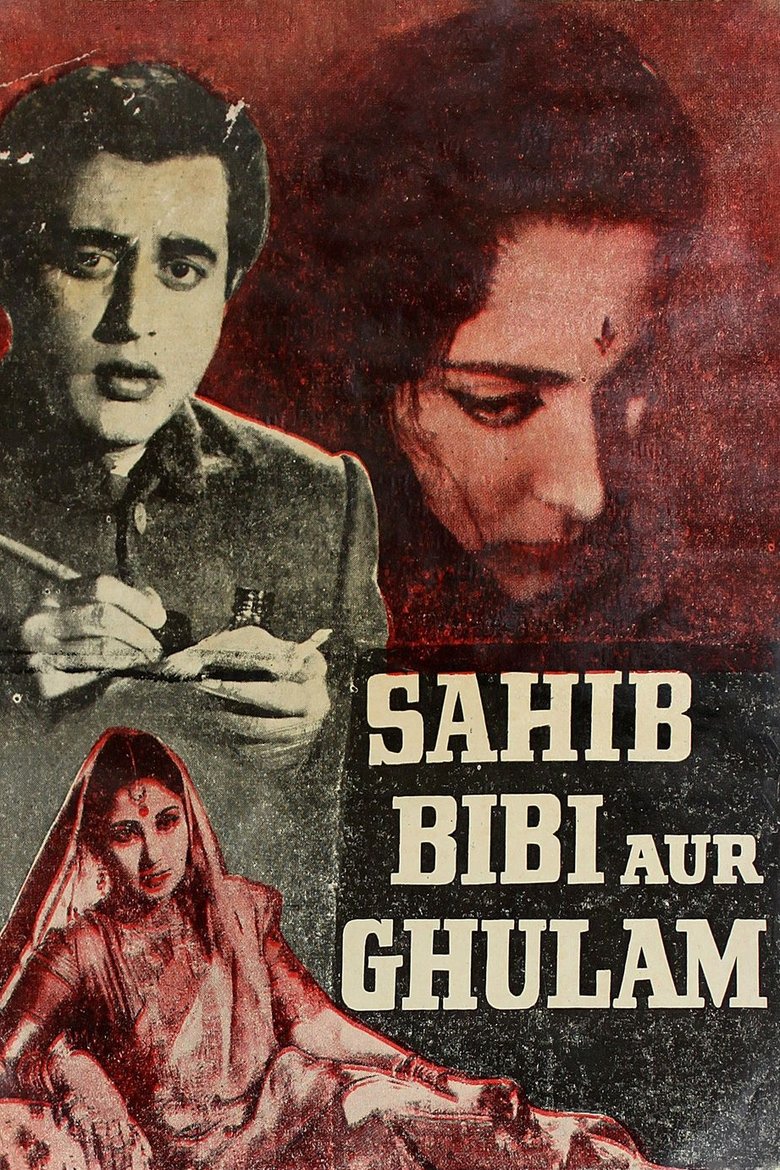
A debauchee Zamindar greatly neglects his wife. The decadence of the Bengali Zamindar milieu in the late 19th century, seen through the eyes of a young upward mobile rustic seeking fortune in Calcutta, fascinated by the lonely lady of the house.
Overall Score
Good
Category Breakdown
LGBTQ+ Representation
The film focuses on heteronormative marital dynamics and class-based romance. It lacks explicit depictions of non-cisnormative or non-heteronormative identities, which aligns with the historical 19th-century Bengali setting.
Gender Representation
The narrative subverts patriarchal authority by portraying the Zamindar as a decadent, neglectful figure. Chhoti Bahu demonstrates agency by navigating emotional deprivation through infidelity, challenging strict codes of feminine submissiveness.
Racial & Ethnic Diversity
Set during the British Raj, the film explores internal social stratifications. It uses the divide between landed aristocracy and the servant class to examine identity and power within a specific cultural texture.
Religious & Cultural Diversity
The film critiques feudal institutions and the decaying Zamindari system. It employs moral relativism, framing the protagonist's actions as systemic consequences of neglect rather than simple religious or social failings.
Disability Representation
There are no prominent depictions of visible or invisible disabilities that serve as central narrative drivers in this work.
Strengths
Areas for Improvement
AI Analysis
Sahib Bibi Aur Ghulam is a sophisticated deconstruction of feudalism and gender roles. It succeeds by prioritizing the psychological reality of women over the preservation of patriarchal honor, offering a nuanced look at class and power. The film's strength lies in its subversion of traditional masculine authority and its critique of the suffocating Zamindari system. It moves beyond simple moralism to explore how structural neglect drives individual choices. However, the film remains limited by its historical context, offering no LGBTQ+ representation and focusing on a specific, ethnically homogeneous social stratum.
1958
1981
1936

1961
1977
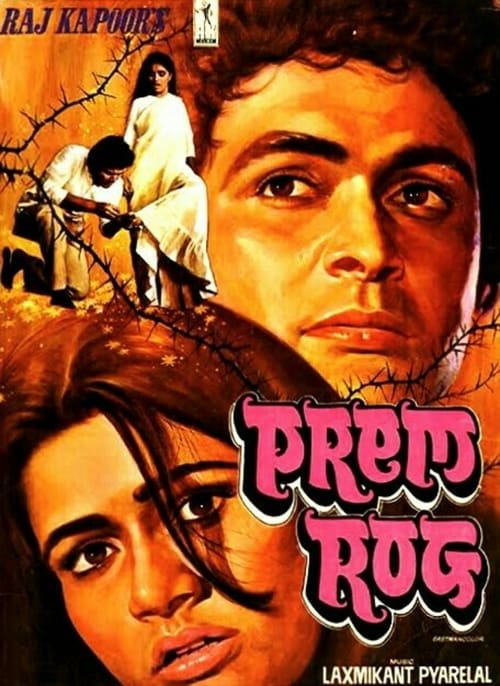
1982
No reviews yet. Be the first to share your thoughts on this movie!
Use the rating form above to leave a star rating and optional review.