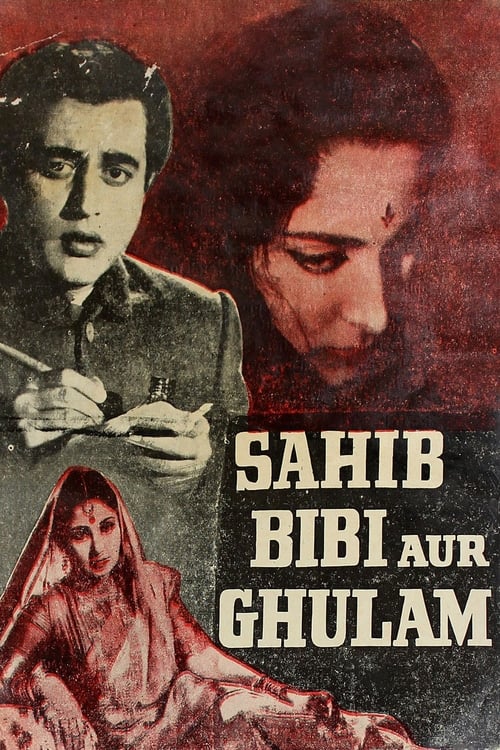
Sahib Bibi Aur Ghulam
1962
No user ratings available yet
Diversity score: 6.9 out of 10
1958
Not RatedDirector
Satyajit Ray
Runtime
100 minutes
Average Rating
No ratings yetSynopsis
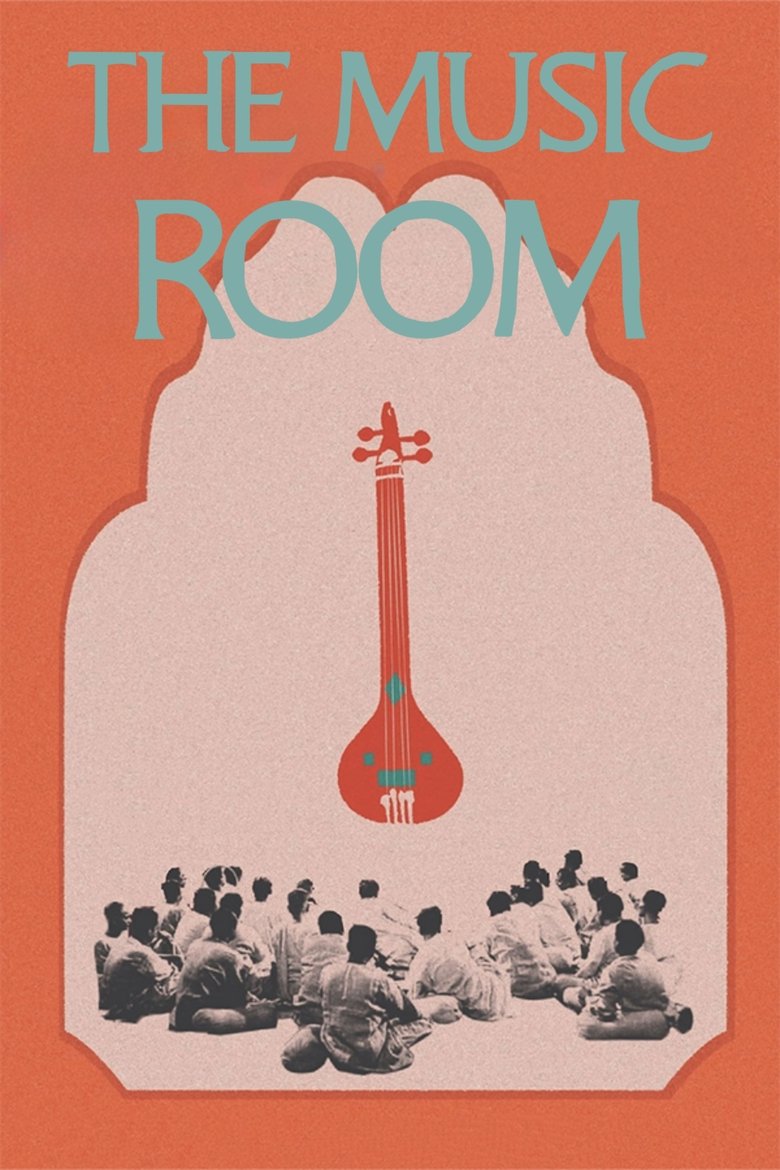
An aging, decadent landlord’s passion for music becomes the undoing of his legacy as he sacrifices his wealth in order to compete with the opulent music room of his younger, richer neighbour.
Overall Score
Good
Category Breakdown
LGBTQ+ Representation
The film contains no LGBTQ+ characters or narratives. It focuses on the rigid, traditional social structures of mid-20th century Bengal.
Gender Representation
The film grants a widow emotional autonomy and agency within a patriarchal framework. It portrays her navigation of domestic life as a journey of personal solace.
Racial & Ethnic Diversity
This work offers an authentic portrayal of Bengali identity. It avoids a Western gaze, providing a complex exploration of local social strata and socioeconomic realities.
Religious & Cultural Diversity
The narrative critiques decaying feudalism and the obsolescence of traditional authority. It explores the tension between social mourning expectations and individual spiritual fulfillment.
Disability Representation
There are no prominent depictions of physical or neurodivergent disabilities driving the narrative arc.
Strengths
Areas for Improvement
AI Analysis
Satyajit Ray’s masterpiece excels through its deep cultural authenticity and its nuanced subversion of gendered expectations. By centering the internal life of a widow, the film challenges the social invisibility typically imposed upon women in patriarchal settings. Its post-colonial perspective provides a sophisticated critique of the declining zamindari system. However, the film's diversity profile is limited by its narrow focus on class and gendered isolation. The absence of LGBTQ+ narratives and disability representation results in a more specialized, rather than broadly inclusive, social landscape.
1962
1981

1957
1936
1989

1989
1988
2020
1977
1980

1971
2014
No reviews yet. Be the first to share your thoughts on this movie!
Use the rating form above to leave a star rating and optional review.