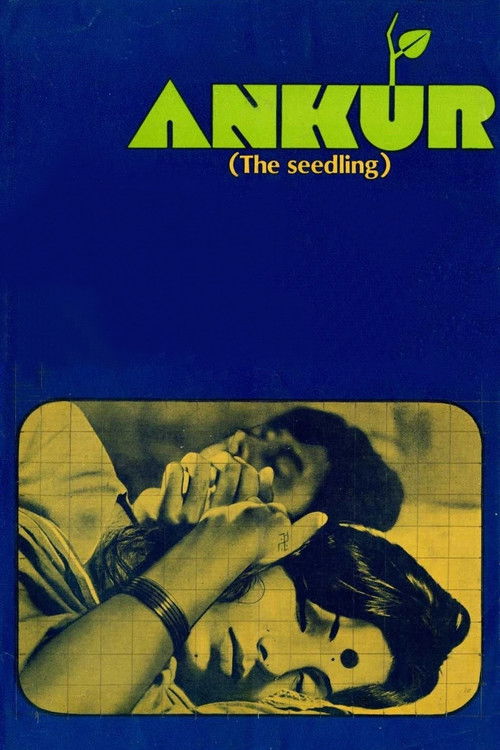
Ankur: The Seedling
1974
No user ratings available yet
Representation score: 4.6 out of 10

Representation Score
Fair
1960
Director
Mrinal Sen
Runtime
110 minutes
Average Rating
No ratings yetNew Showbiz Analysis
Mrinal Sen’s work uses social realism to expose the domestic and systemic pressures of 1930s Bengal. By focusing on the mental strain on a protagonist, the film challenges idealized views of marriage and stability. The film’s strength lies in its post-colonial perspective and its refusal to romanticize Western-aligned social order. It uses a small-scale marital tragedy to reflect larger societal instabilities during a time of impending famine. While the film does not engage with contemporary identity politics around sexuality, its critique of class structures and its authentic focus on regional identity make it a progressive piece of cinematic realism.
Category Breakdown
The film follows a traditional framework that assumes everyone is straight and cisgender. There are no stories involving LGBTQ+ individuals or non-cisgender identities.
The movie looks at how gender roles affect power and constrain women in a patriarchal system. It shows the home as a place of conflict rather than peace.
The film stands out by focusing on Bengali identity and social classes. It offers a detailed look at the economic and social complexities of caste and class.
The story criticizes traditional social hierarchies and rigid class structures. It sees established customs as factors contributing to broader societal issues and instability.
There is no significant depiction of physical or neurological disabilities in this film.
Present on Screen
Limited or Absent
Official Synopsis
The tragic story set in the late 1930s, just before famine struck Bengal. It tells of the marriage of a dumpy middle-aged salesman of small goods to a beautiful teenager, and how, after initial days of happiness together, a series of misfortunes strike which slowly embitter the man.
1974

1959

1977

1951

1960

2005
1979

1972
No reviews yet. Be the first to share your thoughts on this movie!
Use the rating form above to leave a star rating and optional review.