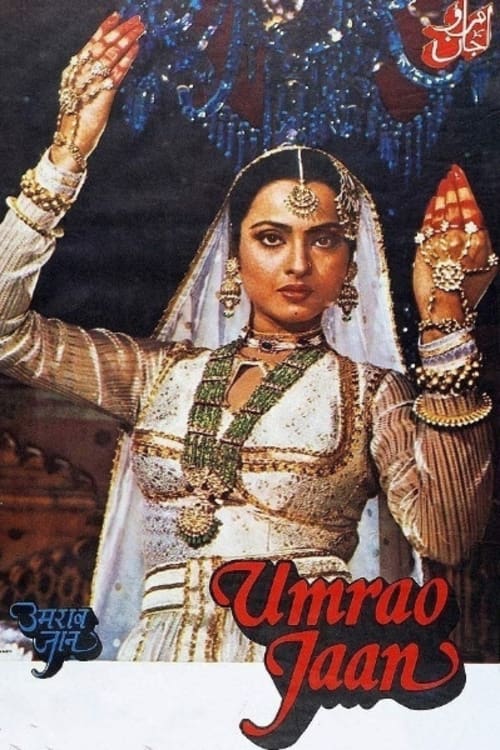
Umrao Jaan
1981
No user ratings available yet
Diversity score: 6.4 out of 10
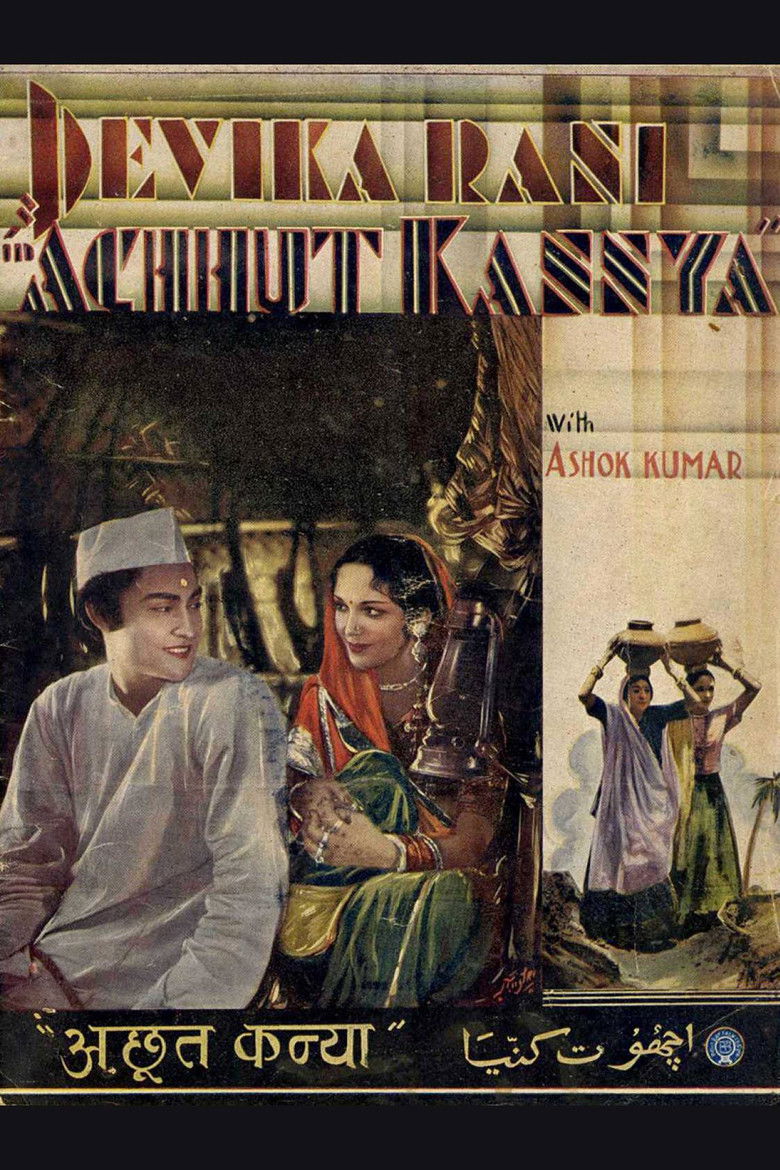
1936
Director
Franz Osten
Runtime
142 minutes
Average Rating
No ratings yetSynopsis
An "untouchable" girl and a Brahmin boy fall in love, but the strict caste system and the gossip of the villagers threaten to keep them apart.
Overall Score
Good
Category Breakdown
LGBTQ+ Representation
The film focuses on heteronormative romantic structures. There is no evidence of LGBTQ+ characters or narratives that critique traditional norms.
Gender Representation
The female protagonist serves as the narrative catalyst, driving the central conflict. While constrained by 1930s cinematic tropes, her agency disrupts purely passive archetypes.
Racial & Ethnic Diversity
The story explores internal social stratification by centering on the 'untouchable' caste. It provides a nuanced look at identity and systemic inequality within the Indian social order.
Religious & Cultural Diversity
The film critiques the oppressive nature of the caste system. It frames rigid religious and social hierarchies as primary sources of human suffering and conflict.
Disability Representation
There is no documented evidence regarding the portrayal of physical or neurodivergent disabilities in this work.
Strengths
Areas for Improvement
AI Analysis
Franz Osten’s film serves as a sophisticated historical critique of systemic oppression. By centering the narrative on a marginalized individual, the film uses a romantic lens to expose the frictions inherent in the caste hierarchy. The work excels in its exploration of ethnic and social diversity, challenging the homogeneity of the era's social order. It effectively deconstructs established hierarchies by framing them as barriers to human connection. However, the film remains limited by its focus on traditional romantic structures and the era's gendered cinematic constraints. It lacks representation for LGBTQ+ identities and disability.
1981
1977
1932
1963
1971
1964
1951
1949
1968

1963
2007
1982
No reviews yet. Be the first to share your thoughts on this movie!
Use the rating form above to leave a star rating and optional review.