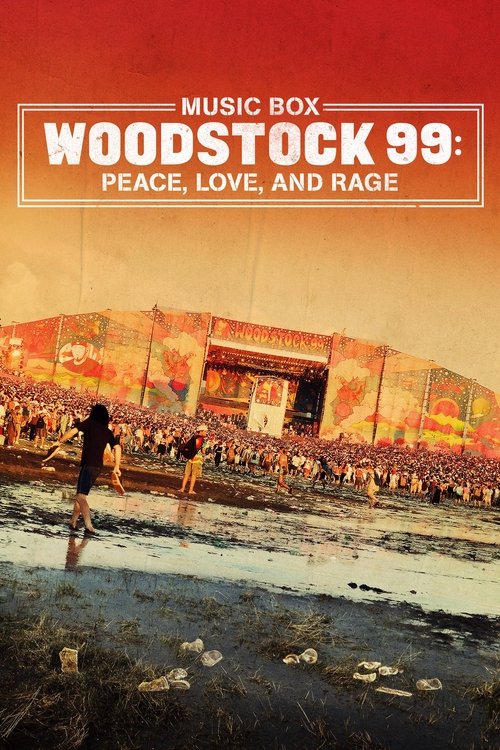
Woodstock 99: Peace, Love, and Rage
2021
No user ratings available yet
Diversity score: 5.3 out of 10
1971
PGDirector
Steve Gebhardt
Runtime
78 minutes
Average Rating
No ratings yetSynopsis
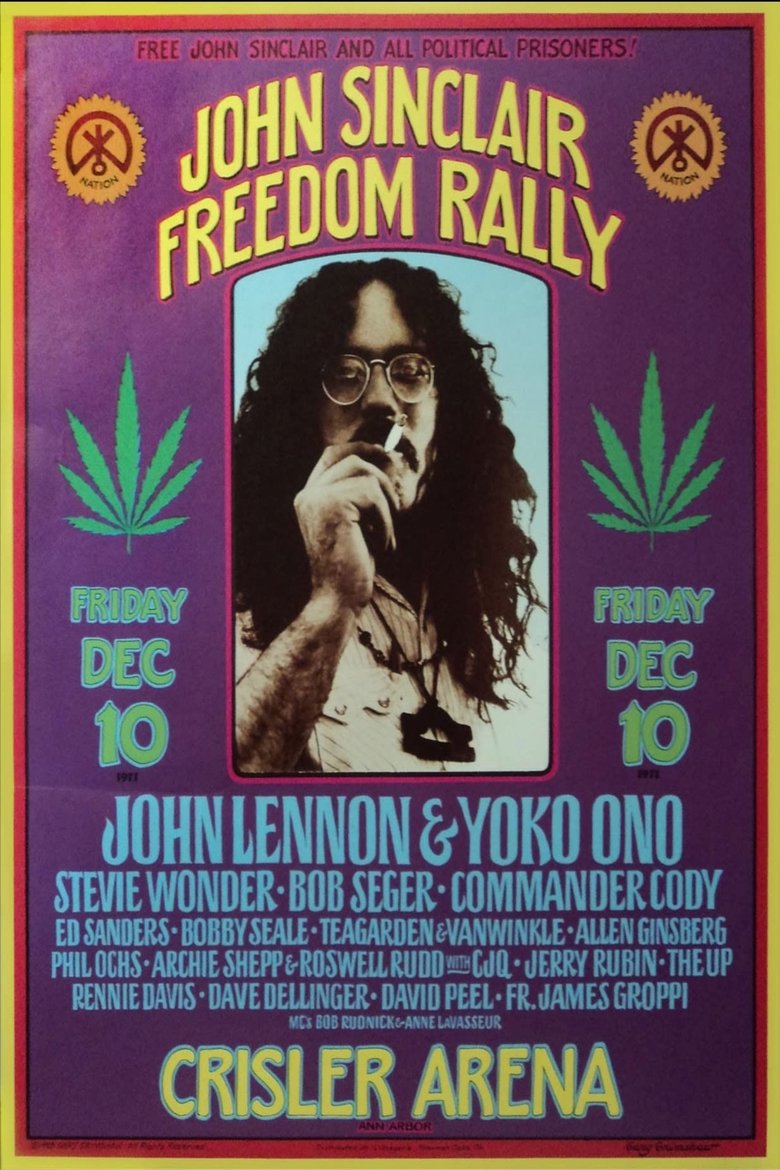
Concert film documentary. The John Sinclair Freedom Rally was a protest and concert in response to the imprisonment of John Sinclair for possession of marijuana held on December 10, 1971. Features performances from John Lennon, Yoko Ono, Stevie Wonder and Bob Seger
Overall Score
Fair
Category Breakdown
LGBTQ+ Representation
The film documents a specific political moment rather than exploring identity. It lacks explicit, centralized narratives regarding LGBTQ+ identities or same-sex intimacy within the recorded speeches and performances.
Gender Representation
Male political figures and musicians dominate the rally's architecture. However, Yoko Ono provides a layer of female agency within this highly radicalized, male-centric political sphere.
Racial & Ethnic Diversity
The rally captures a moment of intersectional solidarity. Performers like Stevie Wonder provide meaningful representation of Black excellence within a movement challenging the era's racial status quo.
Religious & Cultural Diversity
The documentary serves as a profound critique of Western legal and state structures. It prioritizes anti-capitalist rhetoric and portrays traditional authority as an oppressive force to be resisted.
Disability Representation
There is no evidence of participants with visible or invisible disabilities being afforded agency. The focus remains strictly on musical performance and political activism.
Strengths
Areas for Improvement
AI Analysis
This documentary functions as a historical artifact of the 1970s counterculture, prioritizing political dissent over individual identity narratives. Its strength lies in its documentation of a diverse coalition of artists and activists working to disrupt the socio-political order. While the film excels at cultural subversion by challenging state power and institutional authority, it lacks depth in specific demographic representations. It captures a radicalized youth demographic but does not center on LGBTQ+ or disability-related narratives. Ultimately, the film is a record of systemic critique. It succeeds as a piece of anti-establishment media, even if it lacks the intersectional character depth found in modern storytelling.
2021
1968
2012
1988

2007
2014
1972
2018
2019

1967

2015
1999
No reviews yet. Be the first to share your thoughts on this movie!
Use the rating form above to leave a star rating and optional review.