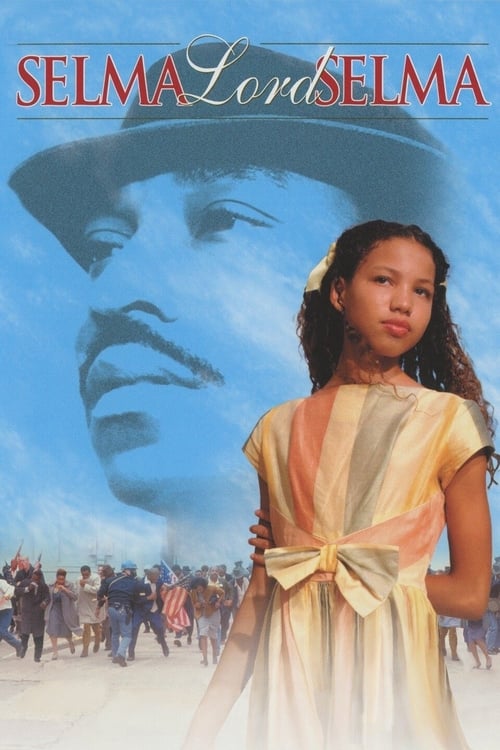
Selma, Lord, Selma
1999
No user ratings available yet
Diversity score: 6.9 out of 10

2011
Director
Sara Blecher
Runtime
72 minutes
Average Rating
No ratings yetSynopsis
When 16 year old Otelo Buthelezi, his best friend, New Year, and his 12 year old brother, Ntwe, are invited to the beach-house of their new friend, Tau Modise, they step into a world previously closed to them. It is exactly the opposite of their township- a place under a constant and growing threat from political violence, driven by Inkatha hostel dwellers on one side and township United Democratic Front comrades on the other. Soon, everyone recognizes that Otelo is gifted on the water, a god in waiting for his purpose.
Overall Score
Good
Category Breakdown
LGBTQ+ Representation
The film focuses on male protagonists navigating township life and political volatility. There is no evidence of LGBTQ+ characters or narratives addressing non-cisnormative identities.
Gender Representation
The narrative is heavily weighted toward the male experience and the development of Otelo and his brothers. It lacks significant female agency in driving the central plot.
Racial & Ethnic Diversity
The film excels by centering a Black South African cast and the lived experience of the Langa township. It explores Black agency during the transition from Apartheid to democracy.
Religious & Cultural Diversity
This work functions as a post-colonial critique of systemic inequality and institutionalized racial capitalism. It frames township violence as a byproduct of a fractured state.
Disability Representation
There are no prominent depictions of visible or invisible disabilities that serve as central narrative drivers.
Strengths
Areas for Improvement
AI Analysis
Otelo Burning is a significant piece of post-colonial cinema that centers the Black South African experience. It successfully shifts the perspective from an observer to a participant, granting high agency to characters navigating a post-Apartheid landscape. The film achieves excellence in racial and cultural representation by deconstructing systemic oppression. It provides a sophisticated view of power dynamics, specifically regarding the political violence between Inkatha and the UDF. However, the film's impact is limited by its narrow demographic focus. The narrative architecture relies heavily on male-centric coming-of-age tropes, leaving little room for diverse gendered or LGBTQ+ perspectives.
1999
2008
2004

2016
2012
1997

2012
2020
2024
2003

2002
1988
No reviews yet. Be the first to share your thoughts on this movie!
Use the rating form above to leave a star rating and optional review.