
Harvest: 3,000 Years
1975
No user ratings available yet
Diversity score: 7.8 out of 10
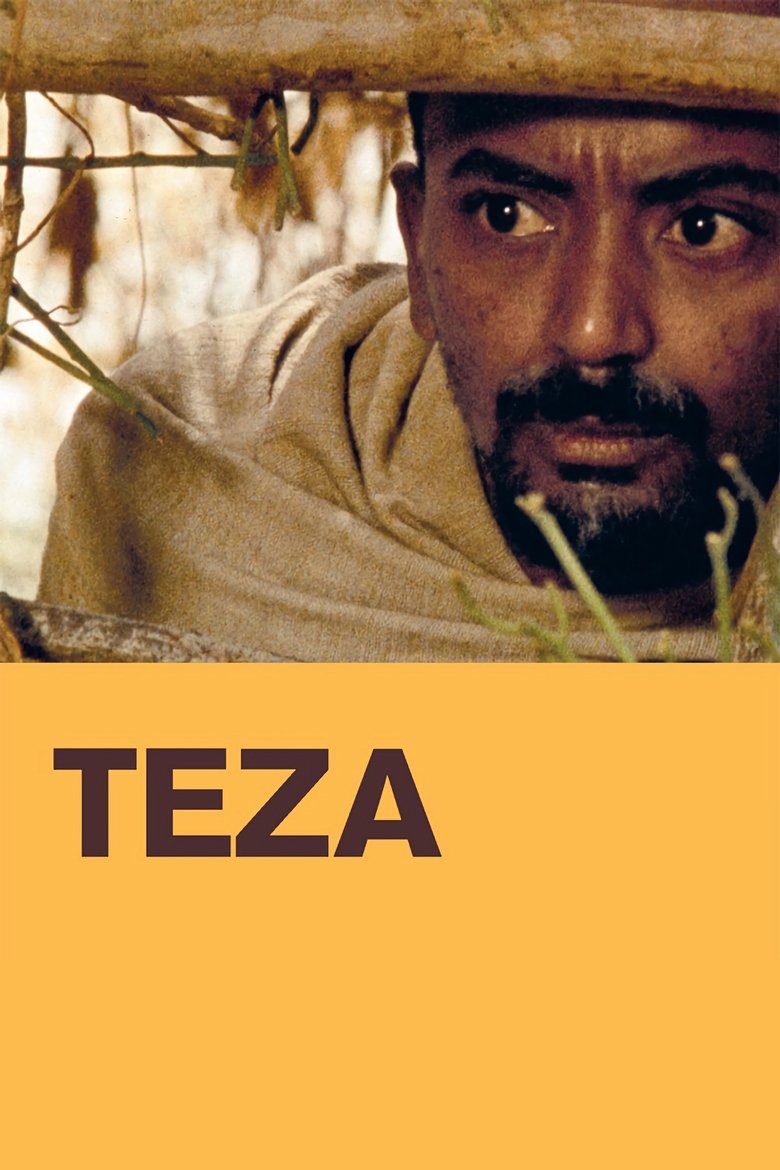
2008
Director
Haile Gerima
Runtime
140 minutes
Average Rating
No ratings yetSynopsis
The Ethiopian intellectual Anberber returns to his native country during the repressive totalitarian regime of Haile Mariam Mengistu and the recognition of his own displacement and powerlessness at the dissolution of his people's humanity and social values. After several years spent studying medicine in Germany, he finds the country of his youth replaced by turmoil. His dream of using his craft to improve the health of Ethiopians is squashed by a military junta that uses scientists for its own political ends. Seeking the comfort of his countryside home, Anberber finds no refuge from violence. The solace that the memories of his youth provide is quickly replaced by the competing forces of military and rebelling factions. Anberber needs to decide whether he wants to bear the strain or piece together a life from the fragments that lie around him.
Overall Score
Good
Category Breakdown
LGBTQ+ Representation
The film lacks discernible LGBTQ+ characters or non-heteronormative relationship dynamics. The narrative focus remains strictly on the protagonist's struggle with national identity and political displacement.
Gender Representation
The story explores autonomy within a patriarchal and volatile landscape. While centered on a male protagonist, it examines how systemic instability impacts gendered roles and social values.
Racial & Ethnic Diversity
The film excels in authentic African Diasporic storytelling. By centering an Ethiopian protagonist, it avoids Western-centric casting and challenges the traditional hegemony of Western cinematic perspectives.
Religious & Cultural Diversity
Teza offers a sophisticated critique of Western hegemony and assimilationist pressures. It prioritizes the struggle for cultural preservation against the eroding forces of Western integration and political deconstruction.
Disability Representation
There is no evidence that disability or neurodivergence serves as a central narrative arc. These elements do not appear to be used as character devices.
Strengths
Areas for Improvement
AI Analysis
Teza is a powerful post-colonial narrative that centers the Ethiopian experience. It successfully avoids Western-centric tropes by focusing on the psychological and cultural toll of displacement and political upheaval. The film's strength lies in its authentic portrayal of ethnic identity and its critique of how totalitarian regimes dismantle individual humanity. It provides a necessary perspective on the friction between indigenous heritage and globalized structures. However, the film's narrow focus on the male intellectual's journey results in limited representation for LGBTQ+ identities and a lack of visible disability narratives. The gender dynamics, while nuanced, remain largely centered on a patriarchal framework.
1975

2004
1987
1993

2019

2008

2012

2010
1986

2018
1968

2004
No reviews yet. Be the first to share your thoughts on this movie!
Use the rating form above to leave a star rating and optional review.