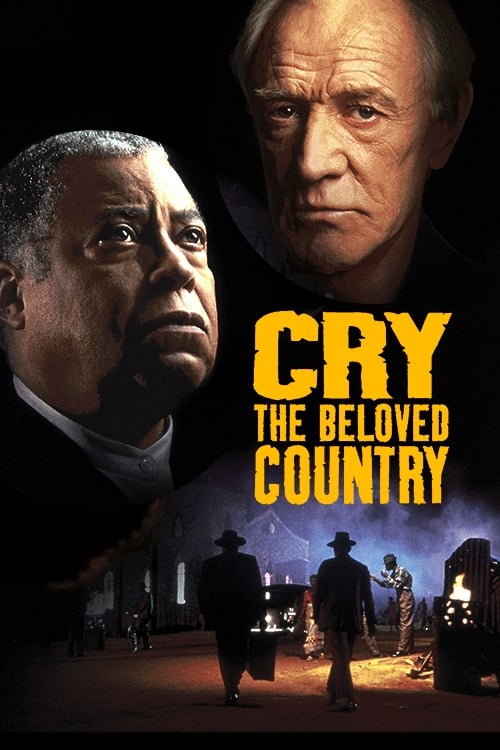
Cry, the Beloved Country
1995
No user ratings available yet
Diversity score: 6.3 out of 10
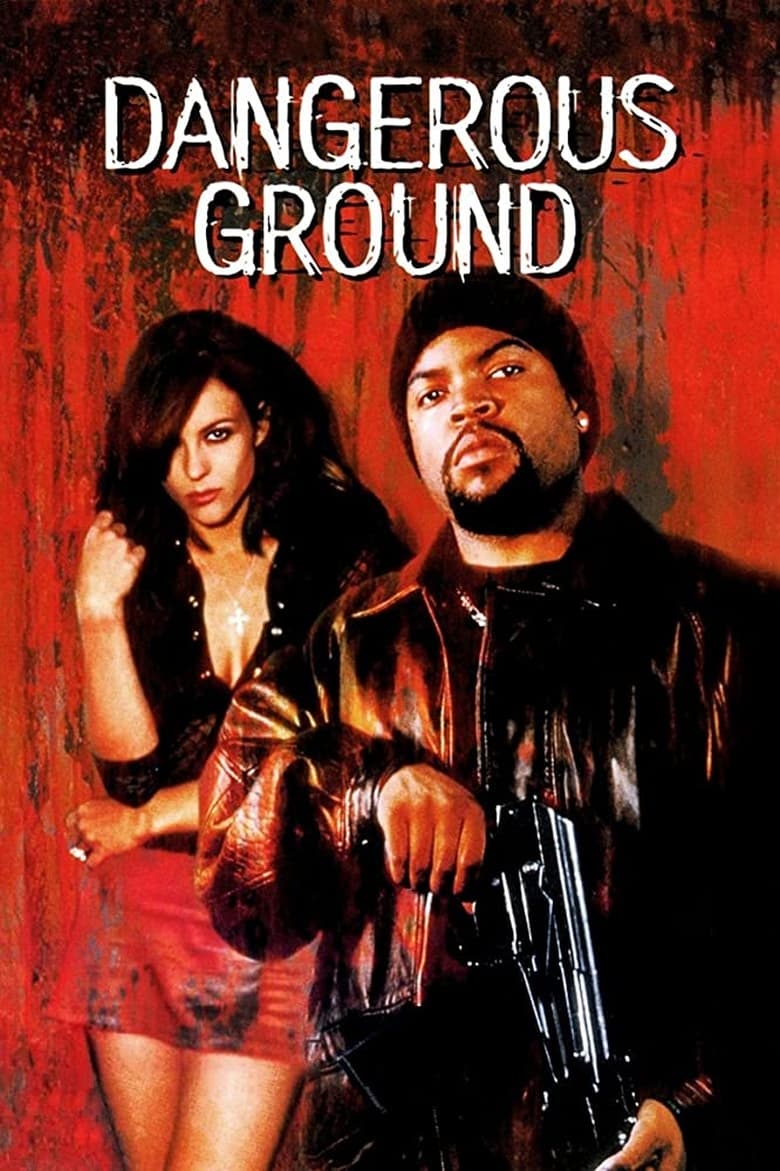
1997
RDirector
Darrell James Roodt
Runtime
95 minutes
Average Rating
No ratings yetSynopsis
Vusi Madlazi returns to the South African village he left as a young boy to bury his father. He meets up with his brother Ernest, who tells him their other brother Stephen couldn't be contacted. Vusi goes to Johannesburg to find him, but at first can only find his neighbor/girlfriend, Karin, a stripper. Vusi proceeds to learn how conditions have changed since the end of apartheid, not always for the better for black men.
Overall Score
Fair
Category Breakdown
LGBTQ+ Representation
The film adheres to a traditional heteronormative framework. It focuses on survivalist bonds between male characters and lacks LGBTQ+ identities.
Gender Representation
This is a heavily male-centric survival drama. Female characters serve as secondary plot catalysts rather than driving the central survival arc.
Racial & Ethnic Diversity
The film disrupts the 'white savior' trope by shifting agency to the indigenous character. It provides a nuanced look at post-colonial power dynamics.
Religious & Cultural Diversity
The narrative explores the friction between Western individualism and the systemic realities of post-apartheid society. It critiques Western presence within a restructuring landscape.
Disability Representation
No depictions of physical, neurodivergent, or sensory disabilities are central to the narrative arc.
Strengths
Areas for Improvement
AI Analysis
Dangerous Ground succeeds as a piece of post-colonial cinema by subverting traditional power dynamics. By placing a Westerner in a position of vulnerability, the film allows indigenous agency to take center stage, effectively deconstructing colonial-era certainties through the lens of survival. However, the film's scope is narrow regarding social identity. It operates within a strictly heteronormative and male-dominated framework, which limits its breadth of human experience. While the racial and cultural commentary is sophisticated, the gender and LGBTQ+ representations remain conventional and peripheral. Ultimately, the film is a study of racial intersectionality and cultural friction. It uses the South African landscape to challenge Western dominance, even as it stays within traditional gender hierarchies.
1995
2011
1951
1991
1995
2015
1993

1994
2001

2008
2016
2011
No reviews yet. Be the first to share your thoughts on this movie!
Use the rating form above to leave a star rating and optional review.