Genesis
1999
No user ratings available yet
Representation score: 4.3 out of 10
Representation Score
Fair
2016
Director
Lee Tamahori
Runtime
103 minutes
Average Rating
No ratings yetNew Showbiz Analysis
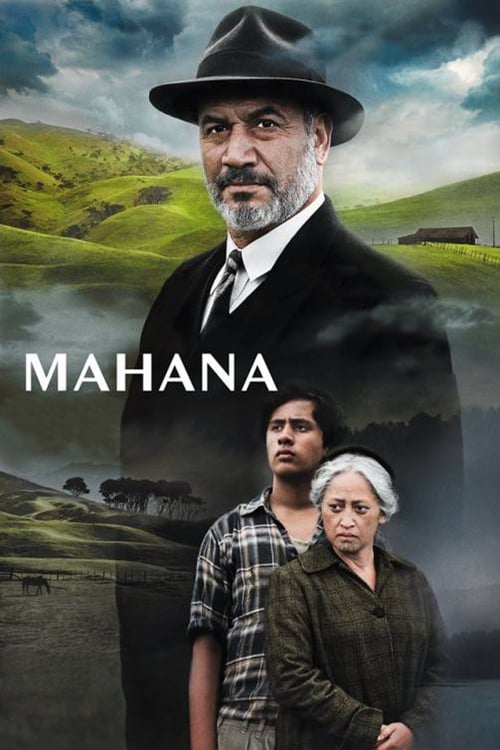
Mahana is a powerful work of cultural reclamation that centers an indigenous worldview. By focusing on Māori sheep-shearing families in the 1960s, the film disrupts Western cinematic norms and prioritizes indigenous ability to act and connection to the land. While the film excels in ethnic authenticity, it remains rooted in traditional social structures. The narrative does not engage with contemporary explorations of gender identity or LGBTQ+ themes, focusing instead on lineage and communal friction. Ultimately, the film succeeds by treating the Māori experience as the central driver of the story rather than a peripheral element, offering a sophisticated look at post-colonial identity.
Category Breakdown
The story focuses on traditional romantic pairings and the preservation of family lineage. There are no queer narratives or non-cisgender identities present in the plot.
Female characters play important roles within the family unit, influencing domestic and emotional cohesion. The film portrays nuanced communal roles within a mid-century rural setting.
The film centers a predominantly Māori cast and focuses on indigenous sheep-shearing families. It prioritizes Māori heritage and the land over an Anglo-centric perspective.
The narrative explores cultural evolution through the tension between traditionalists and younger generations. It presents a complex, localized view of ancestral heritage and communal obligations.
There are no prominent depictions of physical or neurodivergent disabilities that serve as central narrative drivers.
Present on Screen
Limited or Absent
Official Synopsis
1960s, East Coast of New Zealand. Two Māori sheep-shearing families, the Mahanas and the Poatas, are longstanding enemies and commercial rivals. 14-year-old Simeon Mahana, the youngest son of the youngest son is in conflict with his traditionalist grandfather, Tamihana. As Simeon unravels the truth behind the longstanding family vendetta he risks not just his own future prospects but the cohesion of the entire tight-knit society.
1999

1962
1983

2015

2015

2017
1967

1994
No reviews yet. Be the first to share your thoughts on this movie!
Use the rating form above to leave a star rating and optional review.