The Ciambra
2017
No user ratings available yet
Representation score: 4.8 out of 10
Representation Score
Fair
2012
RDirector
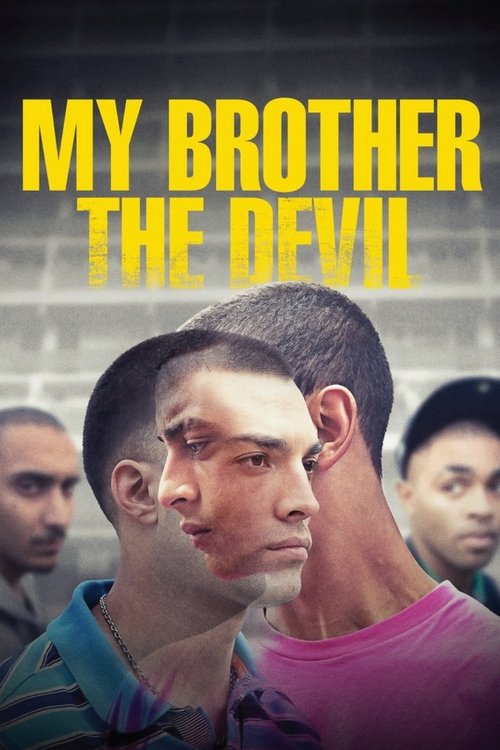
Sally El Hosaini
Runtime
111 minutes
Average Rating
No ratings yetNew Showbiz Analysis
Sally El Hosaini’s drama is a sophisticated study of multi-layered identity. It moves beyond simple immigrant clichés to explore the friction between religious heritage and contemporary British street life. The film succeeds by giving real power to characters of color and deconstructing the fragility of urban masculinity. While the film is a triumph of racial and cultural storytelling, it lacks breadth in other areas. The narrative is heavily focused on male interpersonal dynamics, which limits the scope of gender and queer representation. It remains a deeply humanistic exploration of a specific, underrepresented community's struggle for belonging.
Category Breakdown
The film does not prominently feature LGBTQ+ characters or non-traditional gender expressions. It focuses on traditional social structures and masculine performances without questioning the assumption that everyone is straight or cisgender.
The narrative challenges the stoic male archetype by highlighting the protagonist's sensitivity and vulnerability. However, the story remains centered on male dynamics, leaving female characters in more peripheral family roles.
This work excels by centering a North African/Middle Eastern, Muslim cast within a British urban setting. It avoids monolithic clichés, offering a complex look at second-generation immigrant identity.
The film explores the tension between religious devotion and street culture without being overly didactic. It captures the 'in-between' state of the diaspora navigating Western structures and traditionalism.
There are no prominent depictions of visible or invisible disabilities that drive the narrative forward.
Present on Screen
Limited or Absent
Official Synopsis
Fourteen-year-old Mo is a lonely, sensitive boy whose hunger for the rant and banter of buddies makes him prone to tread dangerous territories. He idolizes his handsome older brother, Rashid, a charismatic, well-respected member of a local gang, whose drug dealing enables “Rash” to provide for his family. Aching to be seen as a tough guy himself, Mo takes a job that unlocks a fateful turn of events and forces the brothers to confront their inner demons. It turns out that hate is easy. It is love and understanding that take real courage.
2017

2015

2014

2015
2012
1999
2010

2011
No reviews yet. Be the first to share your thoughts on this movie!
Use the rating form above to leave a star rating and optional review.