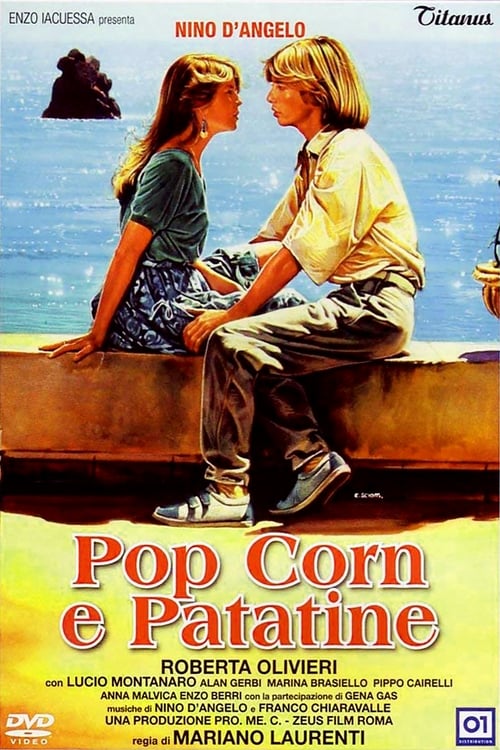
Popcorn e patatine
1985
No user ratings available yet
Diversity score: 2.9 out of 10
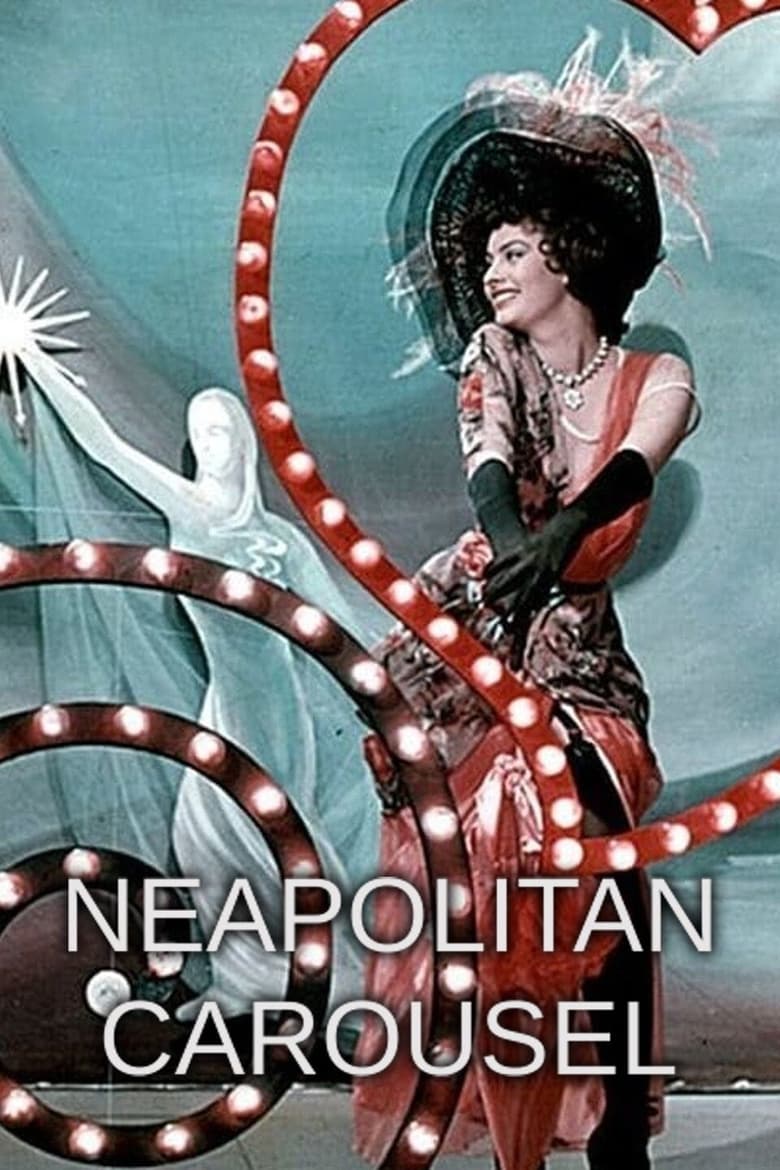
1954
Director
Ettore Giannini
Runtime
123 minutes
Average Rating
No ratings yetSynopsis
Music, ballet, folk dances and mime eliciting the spirit of Naples across the ages are loosely tied together by the comedic wanderings and exploits of the Esposito family.
Overall Score
Fair
Category Breakdown
LGBTQ+ Representation
The film adheres to heteronormative social structures typical of its 19th-century setting. There is no evidence of same-sex intimacy or non-cisnormative identities.
Gender Representation
Female characters are central to the emotional stakes but often lack independent agency. Their roles are frequently tethered to romantic relationships or family units.
Racial & Ethnic Diversity
Casting is highly homogeneous to reflect the regional setting of Naples. While lacking modern racial diversity, it maintains historical authenticity to its 1835 context.
Religious & Cultural Diversity
The narrative offers a critique of institutional failure during a cholera epidemic. However, the heavy presence of the Church maintains traditional social fabrics.
Disability Representation
Illness and physical suffering serve primarily as plot catalysts for tragedy. The film lacks focus on the lived experiences of neurodivergence or specific disabilities.
Strengths
Areas for Improvement
AI Analysis
Neapolitan Carousel functions as a regional melodrama that prioritizes historical realism over modern intersectional representation. The film's structure relies heavily on traditional romantic pairings and established social hierarchies, which limits its scope regarding gender and LGBTQ+ diversity. However, the film finds depth in its portrayal of socioeconomic struggle. By highlighting the failure of state and civic authorities during a public health crisis, it provides a nuanced look at the working class facing systemic instability. Ultimately, the work is a culturally specific portrait of Naples. It succeeds in capturing a localized atmosphere but remains bound by the conservative social norms of its era.
1985
1986
1982

1986
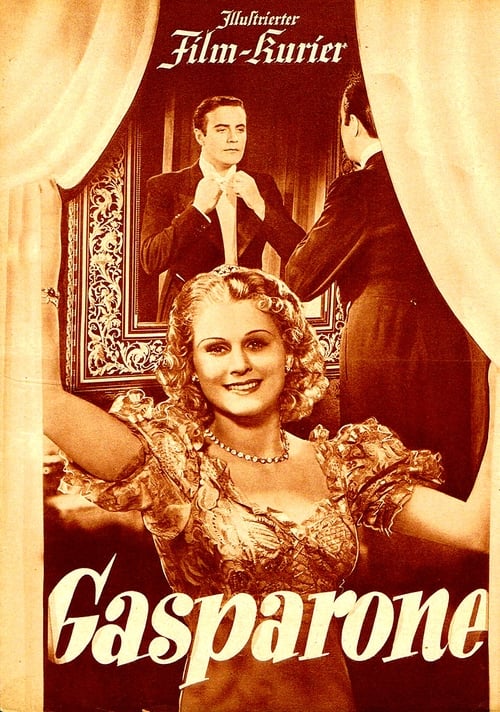
1937
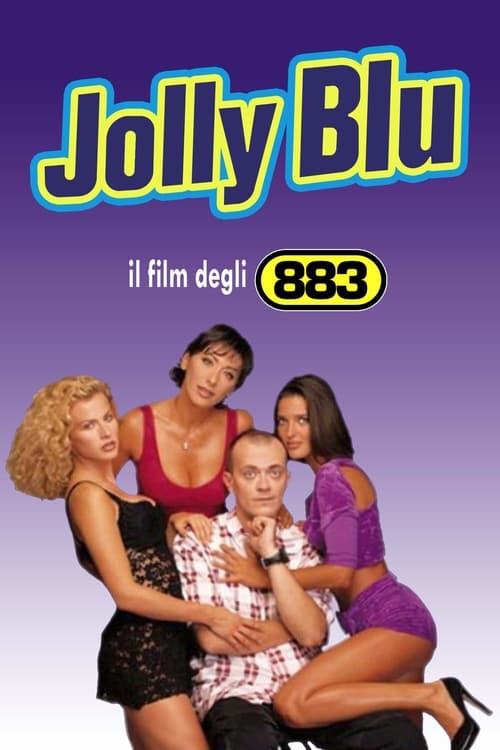
1998

1958

1945

1964
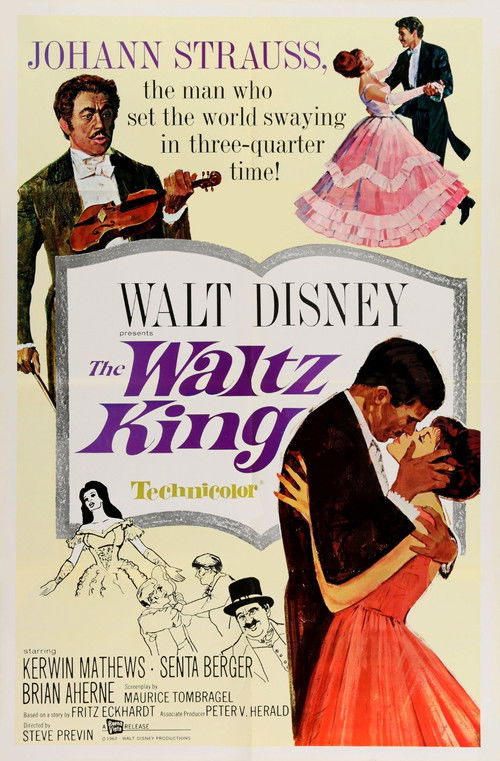
1964
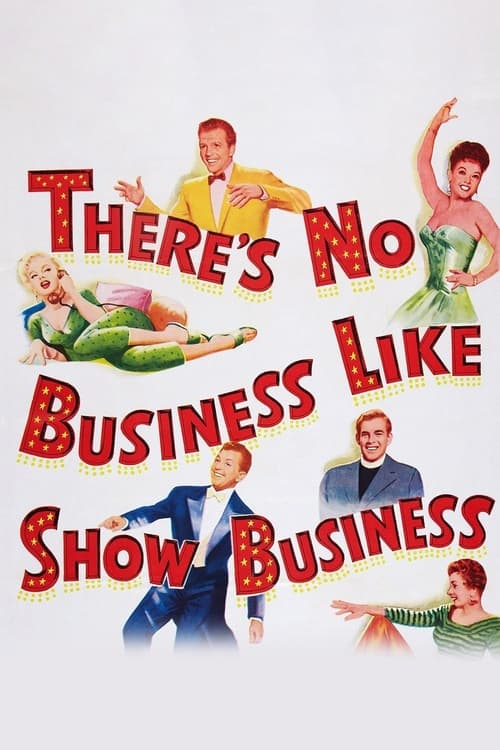
1954

2014
No reviews yet. Be the first to share your thoughts on this movie!
Use the rating form above to leave a star rating and optional review.