Fraktus
2012
No user ratings available yet
Representation score: 4.5 out of 10
Representation Score
Fair
2014
Director
Jan Martin Scharf
Runtime
91 minutes
Average Rating
No ratings yetNew Showbiz Analysis
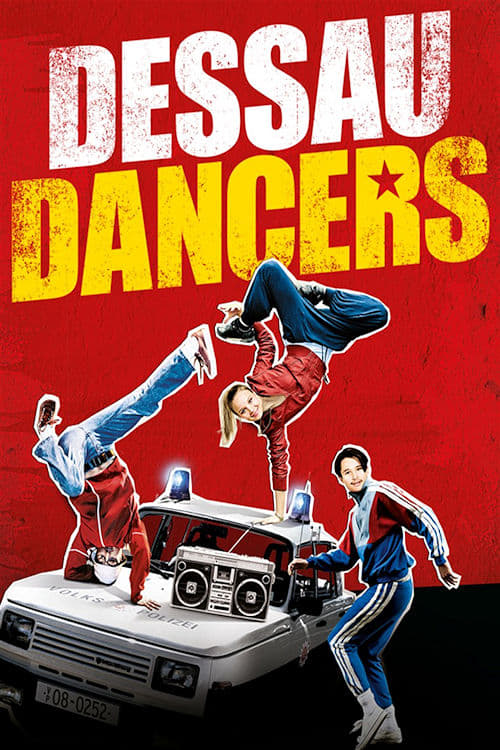
Dessau Dancers is a historical drama that prioritizes the tension between individual ability to act and systemic state control. It uses the rise of breakdancing in the GDR to explore how institutions co-opt youth movements for political purposes. The film's strength lies in its cultural critique of the GDR's attempt to domesticate rebellion. By framing the state's intervention as a corruption of art, it highlights the friction between authentic expression and institutional conformity. However, the film's specific historical setting limits its multi-layered breadth. The narrative lacks visible representation of LGBTQ+ identities or racial diversity, reflecting the demographic realities of 1980s East Germany.
Category Breakdown
The film focuses on the breakdancing subculture without explicitly mentioning LGBTQ+ identities. There are no visible non-straight characters in the main plot.
The story centers on Frank and his male peers. While the GDR's patriarchal state structure provides a backdrop for challenging authority, specific female roles are not detailed.
Set in 1985 East Germany, the film reflects the era's homogeneous ethnic makeup. The influence of American hip-hop introduces Western cultural elements into a largely uniform demographic.
The film excels in critiquing institutional power. It portrays the state's attempt to sanitize grassroots movements into a 'socialist project' as a loss of individual authenticity.
There is no information available regarding the portrayal of physical or neurodivergent disabilities within the film.
Present on Screen
Limited or Absent
Official Synopsis
In the summer of 1985, an American movie also ignites young people in the GDR: "Beatstreet" ensures full cinemas and subsequently a new phenomenon in the streets - breakdancing! The 18-year-old Frank is electrified and founds the "Break Beaters" with like-minded friends in Dessau. The troupe dances on the streets and soon forms the spearhead of the breakdance movement in the GDR. But sooner than they would have liked, the street dancers came to the attention of the state. And they like to keep control over the leisure activities of their youth. Because what the GDR cannot ban, it tries to control - ergo the project must become socialist! So breakdancing becomes "acrobatic show dancing" and the "Break Beaters" are built up as a showcase troupe, sent around the country and soon celebrated like rock stars. But fame comes at a price and Frank slowly realizes that the price is pretty high.
2012

2021
1965
1998
1960
1985

2011

2017
No reviews yet. Be the first to share your thoughts on this movie!
Use the rating form above to leave a star rating and optional review.