Jolly Blu
1998
No user ratings available yet
Representation score: 3.1 out of 10
Representation Score
Minimal
1986
Director
Nino D'Angelo
Runtime
0 minutes
Average Rating
No ratings yetNew Showbiz Analysis
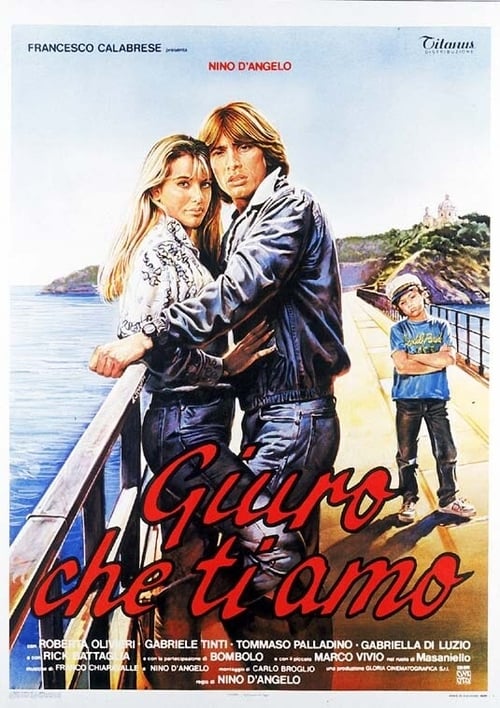
Giuro che ti amo is a genre-driven musical comedy rooted in the Neapolitan sceneggiata tradition. Its storytelling is shaped by regional folk culture rather than an intent to challenge social hierarchies or explore modern themes. The film functions within the established cultural frameworks of 1986, prioritizing local identity and traditional romantic clichés. This focus results in a narrative that reinforces existing social norms rather than challenging them. Because the work adheres to the specific musical and regional expectations of its era, it lacks the depth or diverse representation seen in modern cinema.
Category Breakdown
The film follows typical romantic comedy structures from the mid-1980s. It does not include non-traditional gender identities or critique the assumption that everyone is straight or cisgender.
The narrative seems to rely on traditional romantic archetypes common to the musical comedy genre. It adheres to conventional gender roles prevalent in 1980s Italian cinema.
The film focuses heavily on regional Italian identity through the Neapolitan musical tradition. It lacks the diverse casting or casting actors in roles traditionally played by others found in more contemporary works.
The work is deeply embedded in Neapolitan culture and regional traditions. It reinforces local cultural norms and traditional social structures rather than exploring secular or anti-Western narratives.
There is no documented evidence regarding the inclusion of characters with visible or invisible disabilities within the film.
Present on Screen
Limited or Absent
1998
1978
1985

1977
1985
1991
1975

1966
No reviews yet. Be the first to share your thoughts on this movie!
Use the rating form above to leave a star rating and optional review.