
The Marshal's Two Executions
2018
No user ratings available yet
Representation score: 5.3 out of 10
Representation Score
Limited
2014
Director
Corneliu Porumboiu
Runtime
97 minutes
Average Rating
No ratings yetNew Showbiz Analysis
The film is an intellectual exploration of history rather than a work designed for broad demographic representation. It uses a 1988 football match to examine the socio-political climate of late-communist Romania. While the film lacks representation across gender, race, and LGBTQ+ identities, it achieves depth through its sophisticated deconstruction of authority. It avoids sanitized or patriotic views of historical institutions. Ultimately, the work prioritizes the interrogation of systemic structures and the mechanics of truth over traditional narrative diversity.
Category Breakdown
The film focuses on historical sports footage and familial dialogue without any LGBTQ+ characters or narratives about non-cisgender identities.
The story centers around a male-dominated space involving a father and son. It lacks women's ability to drive the story or challenges to gendered power dynamics.
The subjects are ethnically homogeneous, reflecting the specific demographic reality of 1988 Bucharest. It does not include diverse ethnic representation or multi-layered casting.
The film excels in criticizing traditional institutions and systemic oppression. It prioritizes subjective, intellectualized truth over state-sanctioned morality or nostalgic patriotism.
There are no visible or central depictions of disability used as a plot device or character trait.
Present on Screen
Limited or Absent
Official Synopsis
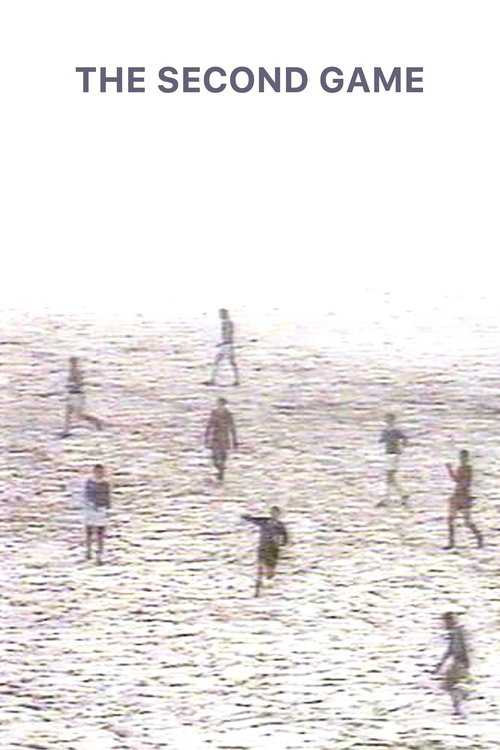
A deceptively simple set-up: the director and his father watch a 1988 football match which the father refereed, their commentary accompanying the original television images in real time. A Bucharest derby between the country’s leading teams, Dinamo and Steaua, taking place in heavy snow, one year before the revolution that toppled Ceaușescu.
2018
2015

2024

2003

1990

2019
2014

2006
No reviews yet. Be the first to share your thoughts on this movie!
Use the rating form above to leave a star rating and optional review.