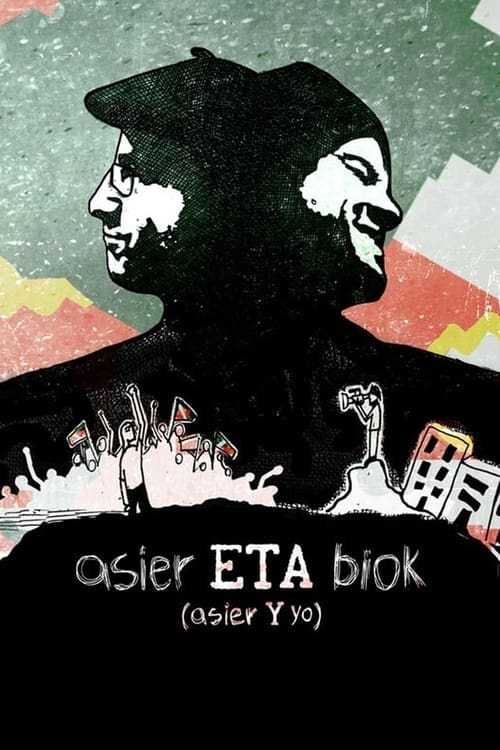
Asier ETA biok
2014
No user ratings available yet
Representation score: 3.9 out of 10

Representation Score
Excellent
2003
Director
Julio Medem
Runtime
115 minutes
Average Rating
No ratings yetNew Showbiz Analysis
Julio Medem’s documentary offers a sophisticated exploration of the Basque conflict, prioritizing psychological depth over simple moral resolutions. It succeeds by deconstructing traditional authority and emphasizing the complex, lived experiences of a underrepresented cultural group. The film’s strength lies in its refusal to provide easy answers, opting for a fragmented approach to identity. By centering the Basque experience, it effectively challenges singular national narratives and explores the friction between regional and state identities. However, the documentary lacks explicit focus on specific identity groups, such as LGBTQ+ individuals or those with physical disabilities. While it addresses collective psychological trauma, these specific representations remain absent from the central narrative.
Category Breakdown
The film focuses on the broader societal conflicts within the Basque region but does not prominently depict LGBTQ+ identities or non-cisgender gender expressions.
The narrative disrupts traditional patriarchal structures by centering women’s perspectives as they navigate psychological trauma. Women play a significant role in shaping the story through their actions and decisions.
The film explores ethnic identity and the struggle for cultural autonomy. It challenges the dominance of a single national identity by focusing on the Basque experience and regional tensions.
The narrative is grounded in moral relativism and situational ethics, avoiding state-sanctioned morality. It presents a landscape of competing truths and critiques traditional Western institutions.
The film does not prominently depict physical or neurodivergent disabilities. Instead, it focuses on the collective psychological trauma experienced by those living in a conflict zone.
Present on Screen
Limited or Absent
Official Synopsis
An attempt to create a bridge between the different political positions that coexist, sometimes violently, in the Basque Country, in northern Spain.
2014

2012
1975

2011

2011
2012

2012
2014
No reviews yet. Be the first to share your thoughts on this movie!
Use the rating form above to leave a star rating and optional review.