
Untold UK: Liverpool's Miracle of Istanbul
2026
No user ratings available yet
Diversity score: 2.9 out of 10
1990
Director
Víctor Dínenzon
Runtime
97 minutes
Average Rating
No ratings yetSynopsis
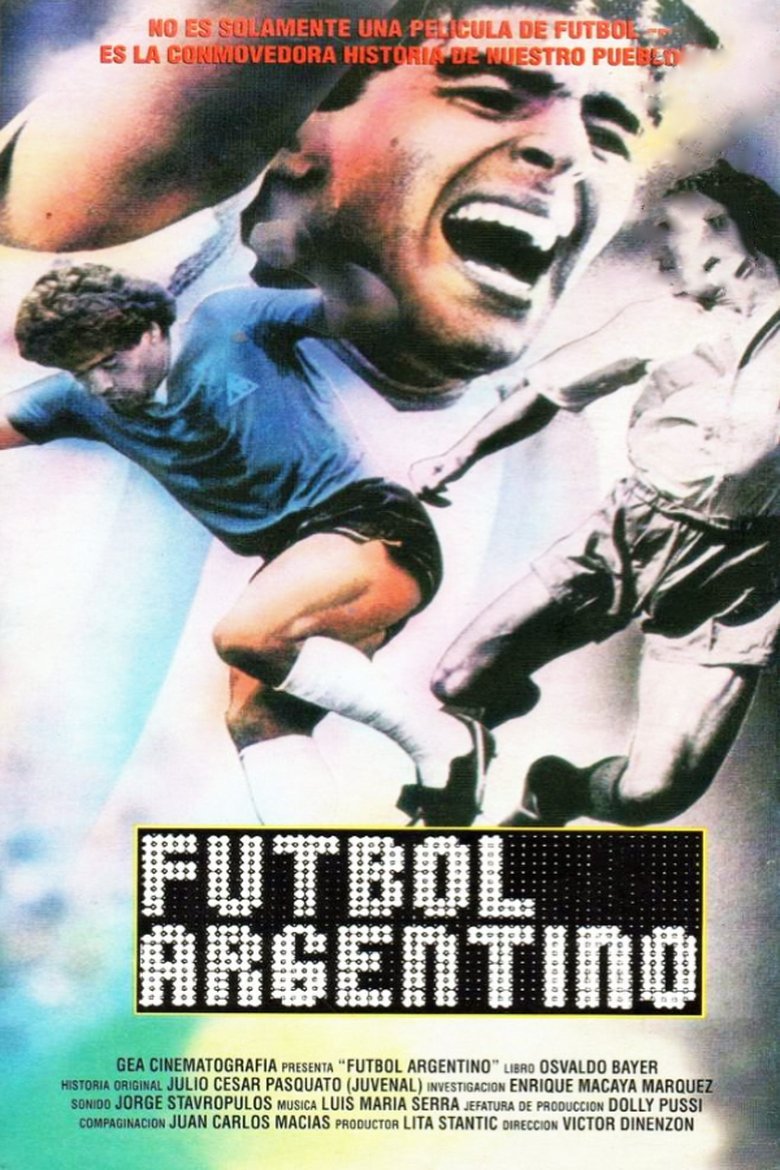
A history of Argentine football, from its origins in the nineteenth century to the victory of the Argentine national team in the 1986 World Cup. The film uses valuable archival footage.
Overall Score
Limited
Category Breakdown
LGBTQ+ Representation
The documentary lacks any visible LGBTQ+ characters or narratives. The focus remains strictly on athletic achievement and national identity within a traditional framework.
Gender Representation
The film centers on male-dominated spaces and traditional masculine structures. There is a notable absence of female agency or presence in the history of the sport.
Racial & Ethnic Diversity
Archival footage captures the racial melting pot of the region through the national team. However, the film lacks intentional intersectional storytelling regarding these diverse identities.
Religious & Cultural Diversity
The narrative celebrates football as a pillar of Argentine identity and national heritage. It reinforces traditionalist views of patriotism rather than challenging institutional norms.
Disability Representation
There is no evidence that neurodivergence or physical disabilities are addressed. The athletic narrative does not include these perspectives within its social history.
Strengths
Areas for Improvement
AI Analysis
Fútbol argentino serves as a historical archive of the sport's evolution from the nineteenth century through the 1986 World Cup victory. The film prioritizes chronological storytelling and archival preservation over social commentary. While the documentary captures the ethnic diversity inherent in Argentine football through its archival footage, it remains a conventional sporting history. It adheres to traditional masculine archetypes and nationalistic themes common to the era. Ultimately, the film reflects the social constraints of its subject matter. It documents a cultural institution without attempting to subvert existing hierarchies or provide progressive representation for marginalized groups.
2026

2022
2014

2024
2016
No reviews yet. Be the first to share your thoughts on this movie!
Use the rating form above to leave a star rating and optional review.