You Must Remember This: A Tribute to 'Casablanca'
1992
No user ratings available yet
Diversity score: 3.6 out of 10
2004
NRDirector
Frederick Baker
Runtime
95 minutes
Average Rating
No ratings yetSynopsis
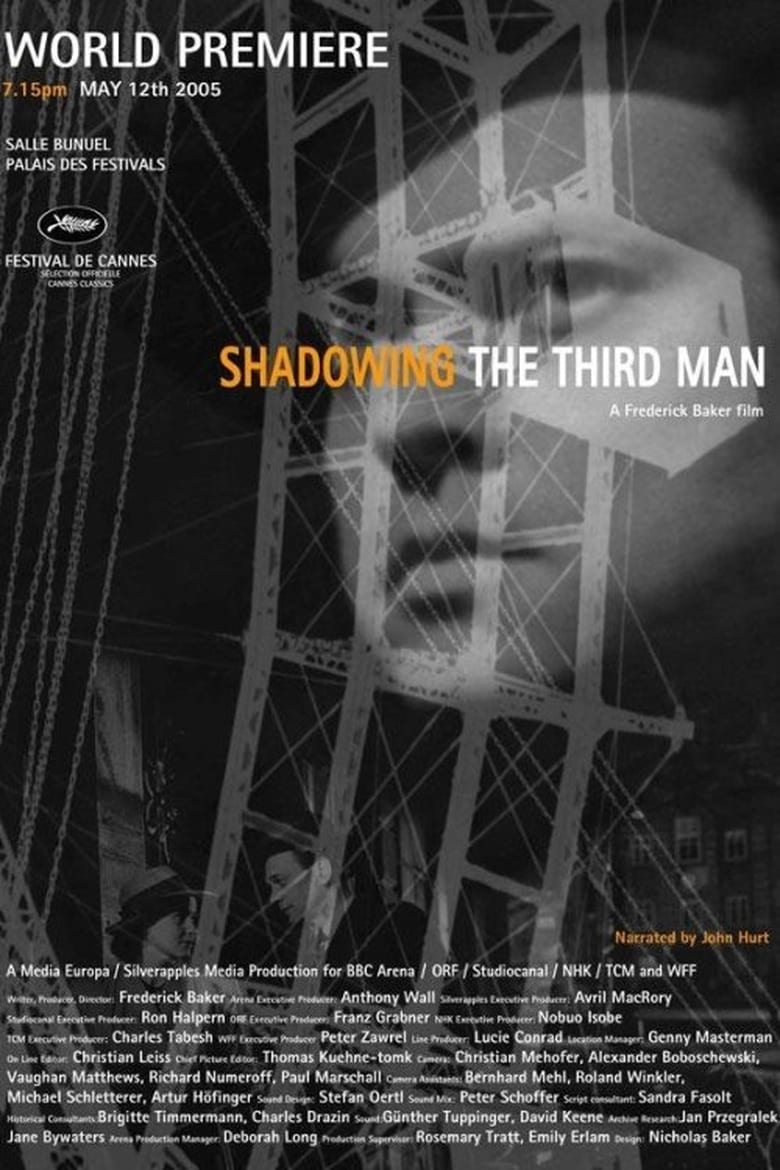
Documentary about the production of The Third Man (1949).
Overall Score
Fair
Category Breakdown
LGBTQ+ Representation
The documentary focuses on the technical production of a 1949 classic. It lacks contemporary queer perspectives or an exploration of non-cisnormative identities.
Gender Representation
The narrative centers on historical studio hierarchies. There is no evidence of efforts to subvert traditional gender roles or portray masculinity through a modern lens.
Racial & Ethnic Diversity
The film examines mid-century Western filmmaking in post-war Vienna. It does not address racial diversity or utilize non-human metaphors to explore ethnic themes.
Religious & Cultural Diversity
The film serves as a historical record of Western cinematic institutions. It does not frame these traditional studio structures as inherently oppressive or corrupt.
Disability Representation
There is no documented evidence of subjects or characters addressing physical or neurodivergent disabilities within this production.
Strengths
Areas for Improvement
AI Analysis
Shadowing the Third Man functions as a preservationist documentary rather than a tool for social deconstruction. It prioritizes the technical history of a mid-century classic over contemporary intersectional frameworks. The film adheres to a standard historical retrospective format. This approach results in a neutral stance that mirrors the era it examines, rather than challenging the social hierarchies of the time. Because the subject matter is rooted in the 1940s studio system, the representation remains tethered to a specific Western, historical context.
1992
2018
1998
1998
2005
1984

2015

1970

2009
2004

1999
2004
No reviews yet. Be the first to share your thoughts on this movie!
Use the rating form above to leave a star rating and optional review.