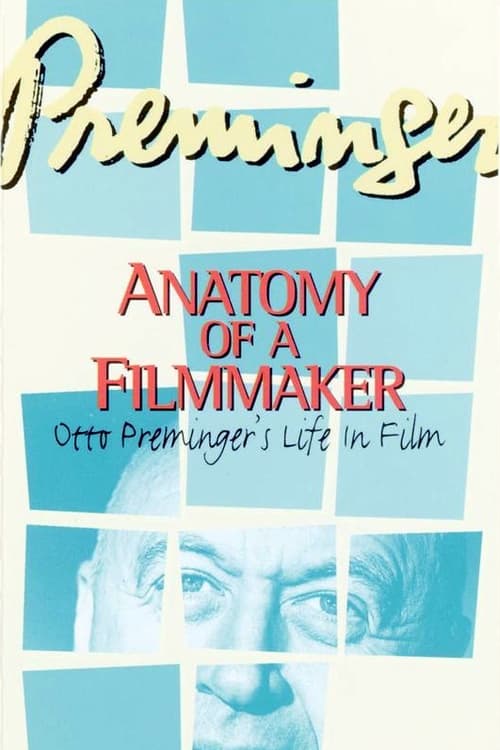
Preminger: Anatomy of a Filmmaker
1991
No user ratings available yet
Diversity score: 3.6 out of 10

2009
Director
Elaine Donnelly Pieper
Runtime
60 minutes
Average Rating
No ratings yetSynopsis
Matthew Sweet explores his rules of 1940s and 50s American film noir thrillers.
Overall Score
Limited
Category Breakdown
LGBTQ+ Representation
The documentary examines the historical era of film noir, which often contained coded queer subtext. However, it lacks explicit contemporary LGBTQ+ perspectives or centered queer narratives.
Gender Representation
The film focuses on mid-20th-century tropes like the femme fatale. It does not appear to disrupt traditional patriarchal hierarchies or present non-traditional gender dynamics.
Racial & Ethnic Diversity
The subject matter is rooted in 1940s and 50s Hollywood, a period of significant racial homogeneity. There is no evidence of marginalized voices or diverse casting being highlighted.
Religious & Cultural Diversity
The film serves as an academic retrospective on classic cinematic structures. It does not actively critique Western institutions or promote specific anti-establishment values.
Disability Representation
There is no evidence regarding the portrayal of physical or neurodivergent identities within this documentary.
Strengths
Areas for Improvement
AI Analysis
The Rules of Film Noir is a scholarly documentary centered on the formalist rules of a specific historical genre. Because it focuses on the cinematic conventions of the 1940s and 1950s, the content is naturally tethered to an era defined by demographic homogeneity and rigid social hierarchies. The film functions as an academic study of film theory rather than a vehicle for social commentary. While it explores the mechanics of noir, it does not appear to intentionally subvert the traditional gender roles or racial exclusions inherent to the period it analyzes.
1991
2005

2018

2009

2004
2021

2004
2004

2013

1994

2000

2003
No reviews yet. Be the first to share your thoughts on this movie!
Use the rating form above to leave a star rating and optional review.