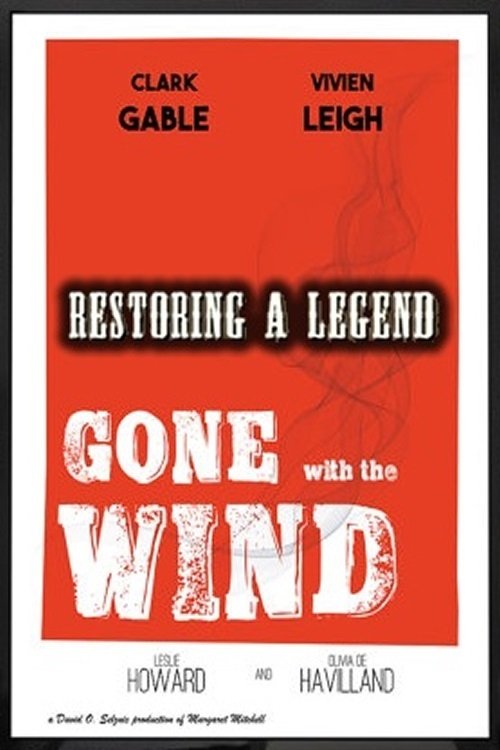
Restoring a Legend: Gone with the Wind
2004
No user ratings available yet
Representation score: 1.3 out of 10
Representation Score
Fair
2004
Director
John Rust
Runtime
39 minutes
Average Rating
No ratings yetNew Showbiz Analysis
The documentary successfully challenges traditional gender hierarchies by emphasizing the professional autonomy and intellectual contributions of a female icon. It shifts focus away from the male-dominated perspective to highlight her independence and intellect. However, the film’s scope is limited by its focus on a single, historically prominent white figure. This narrow lens restricts the work’s exploration of diverse racial and LGBTQ+ perspectives. Ultimately, while it serves as a valuable historical document for female representation, it remains anchored in the homogeneous cultural norms of the Hollywood era it examines.
Category Breakdown
The film does not include explicit LGBTQ+ themes or non-straight narratives. It stays neutral in its approach to these topics.
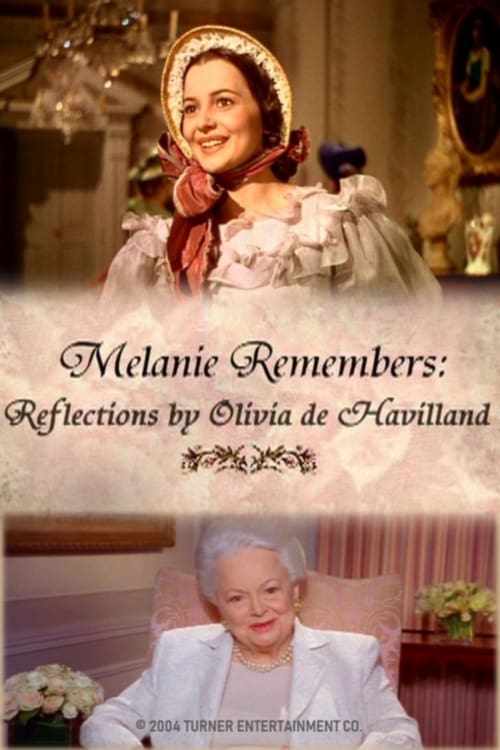
The documentary highlights the professional autonomy and intellectual contributions of a female industry leader. It challenges traditional 'leading lady' clichés by emphasizing her independence and intellect.
The film focuses on a white, Anglo-Saxon subject during a specific historical period. This leads to a homogeneous perspective that aligns with traditional cinematic standards of the time.
The film delves into the legacy and evolution of the film industry. It touches on themes of individual ability to act through the famous legal battles of the subject against the studio system.
There is no indication of the portrayal of physical or neurodivergent disabilities in this work.
Present on Screen
Limited or Absent
Official Synopsis
This documentary is featured in the 4-disc Collector's Edition DVD set, released in 2004, for Gone with the Wind (1939).
2004
1938
1988

1993
1992

1994

1961

2005
No reviews yet. Be the first to share your thoughts on this movie!
Use the rating form above to leave a star rating and optional review.