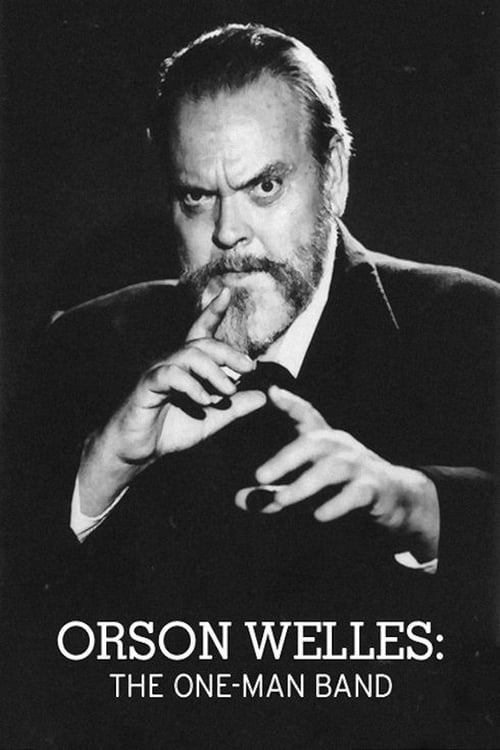
Orson Welles: The One-Man Band
1995
No user ratings available yet
Representation score: 4.2 out of 10
Representation Score
Limited
2018
Director
Ryan Suffern
Runtime
38 minutes
Average Rating
No ratings yetNew Showbiz Analysis
The documentary serves as a historical and technical archive dedicated to Orson Welles' unfinished legacy. Given its focus on preserving a specific cinematic era, the content naturally reflects the demographics of that time. While the film offers a subtle critique of the Hollywood studio system by highlighting non-conformist artistic methods, it does not actively prioritize diverse representations. The narrative structure remains centered on traditional industry figures and masculine historical contexts. Ultimately, the film functions as a tribute to a singular legacy rather than a platform for progressive social commentary or the dismantling of modern social hierarchies.
Category Breakdown
The documentary focuses on the technical and historical recovery of Orson Welles' work. It does not explicitly depict non-binary gender identities or challenge assumptions about straight relationships.
The narrative centers on the male-dominated world of mid-century filmmaking. Male figures play key roles, while there is minimal emphasis on female intellectual contributions.
The subject matter reflects the historically limited demographic makeup of the 1970s film industry. The core focus is on a period of cinema that was largely homogeneous.
The film portrays Welles as an artist who operated outside the Hollywood studio system. It implicitly critiques the rigidity of mainstream industry standards and traditional cultural gatekeepers.
There is no evident portrayal of physical or neurodivergent disabilities within the documentary's scope.
Present on Screen
Limited or Absent
Official Synopsis
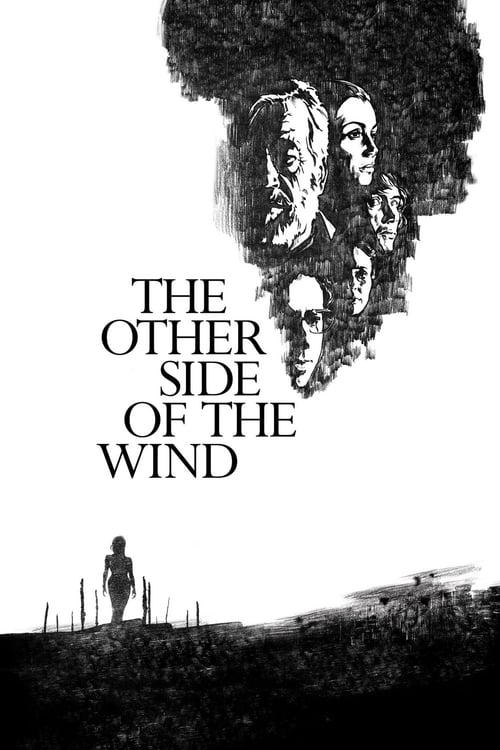
A glimpse behind the scenes into the complicated process of recovering and completing Orson Welles' final film The Other Side of the Wind.
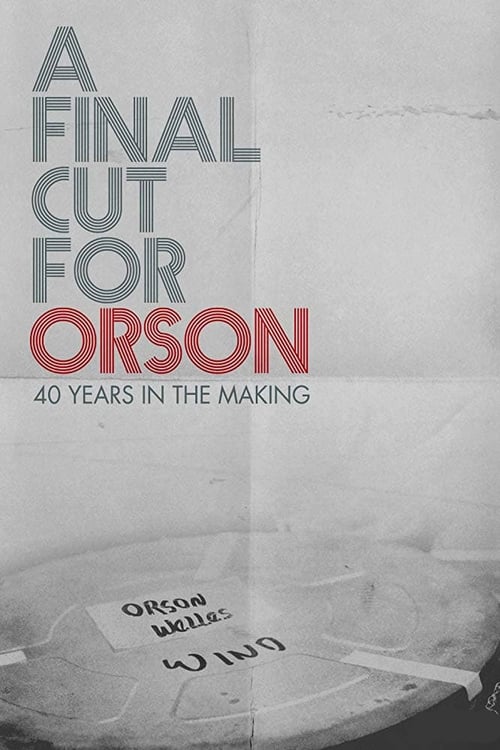
1995
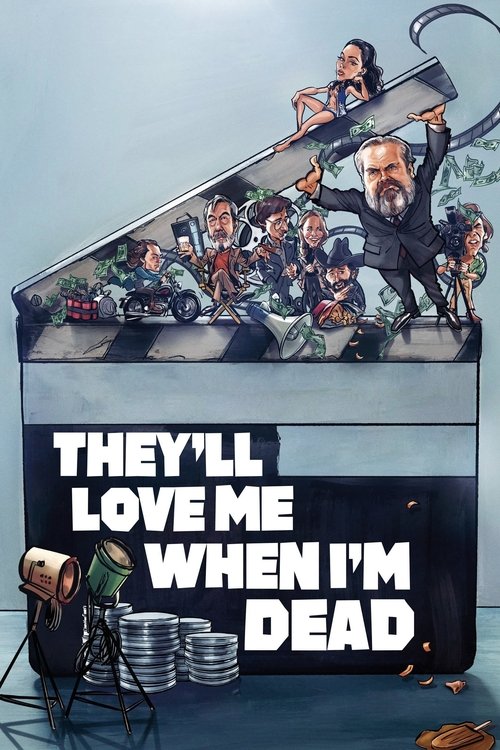
2018
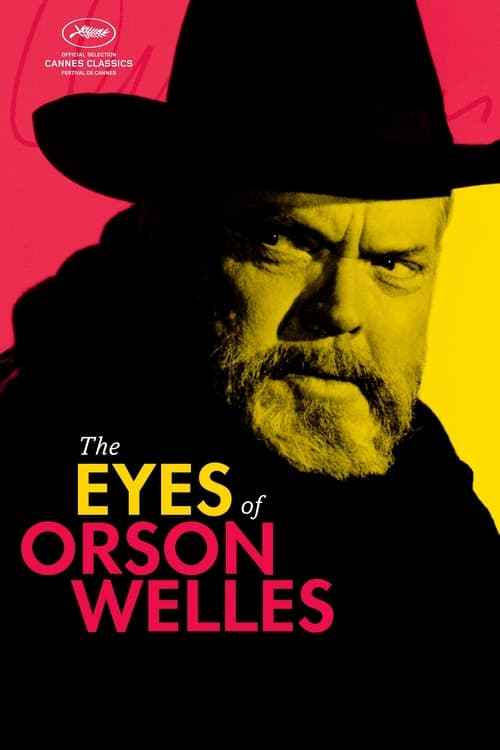
2018
2003

2015

2004
2007
2018
No reviews yet. Be the first to share your thoughts on this movie!
Use the rating form above to leave a star rating and optional review.