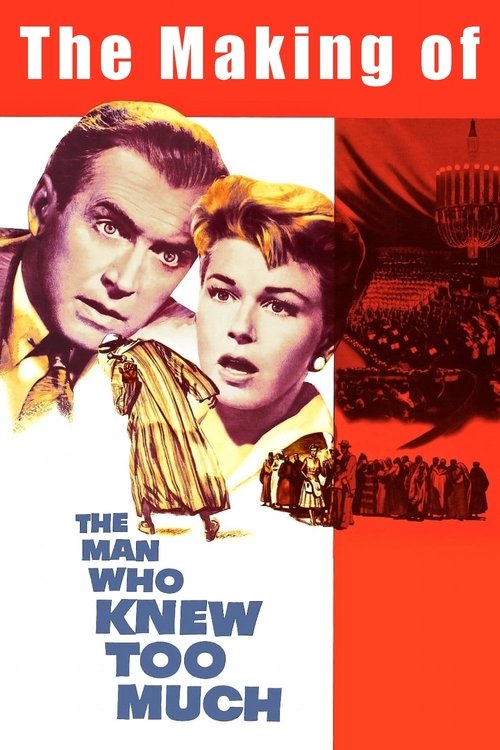
The Making of 'The Man Who Knew Too Much'
2000
No user ratings available yet
Diversity score: 2.6 out of 10
2004
Director
Laurent Bouzereau
Runtime
21 minutes
Average Rating
No ratings yetSynopsis
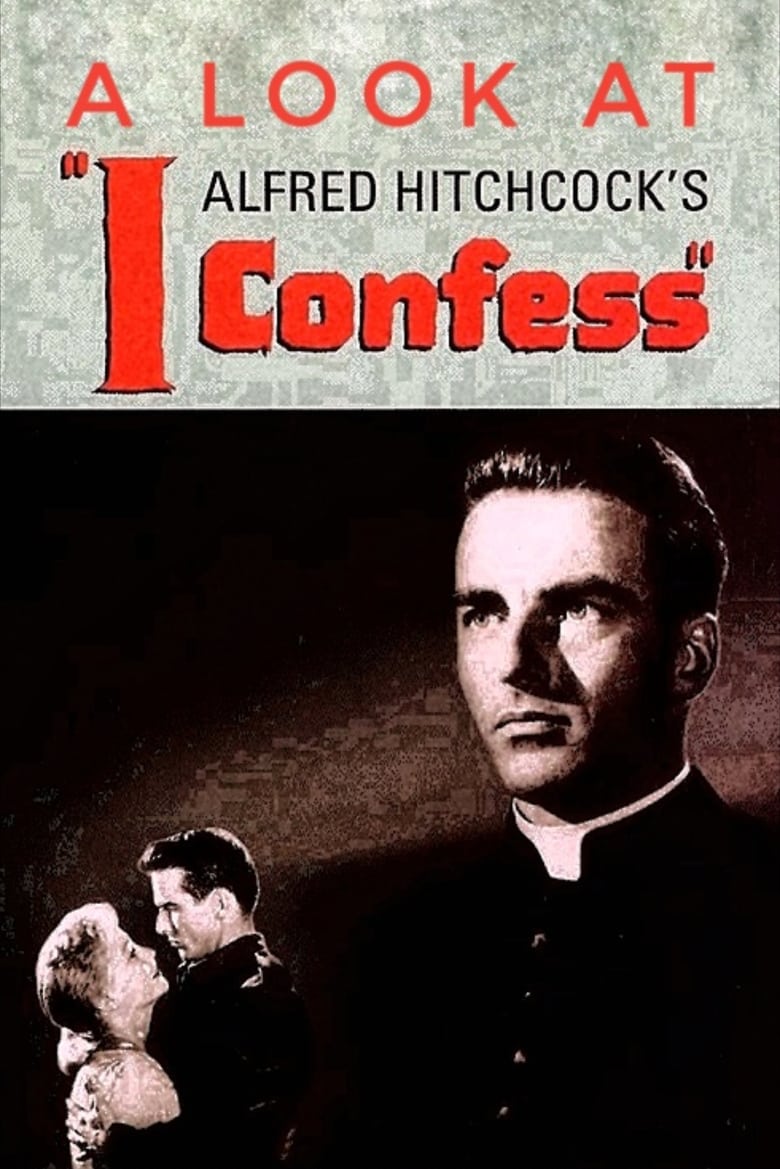
Documentary short focusing on the making of Alfred Hitchcock's 1953 film I Confess.
Overall Score
Limited
Category Breakdown
LGBTQ+ Representation
The documentary examines a film from 1953, an era defined by strict heteronormative standards and heavy censorship. There is no evidence of proactive LGBTQ+ agency or non-cisnormative identities within the documentary's own framework.
Gender Representation
The analysis focuses on Hitchcock's directorial methods and technical roles within a 1950s production environment. The narrative reflects traditional gender hierarchies prevalent in mid-century filmmaking with limited subversion of roles.
Racial & Ethnic Diversity
This study focuses on a specific period of Hollywood history. While it may provide insight into the lack of diversity in the 1950s studio system, it does not disrupt these historical patterns.
Religious & Cultural Diversity
The work functions as film historiography, leaning toward the preservation of Western cinematic tradition. It lacks anti-religious or deconstructive narratives, serving instead as an academic look at classical cinema.
Disability Representation
No specific information is available regarding the treatment of disability within this documentary.
Strengths
Areas for Improvement
AI Analysis
Hitchcock's Confession: A Look at I Confess is a historical documentary centered on the technical craftsmanship and production history of a 1953 studio-era film. Because the subject matter is inherently tethered to mid-century cinematic conventions, the content prioritizes archival preservation over contemporary social commentary. The documentary functions as a piece of film historiography rather than a vehicle for progressive representation. It explores the legacy of a foundational Western director, which naturally aligns the work with the traditional social frameworks of the era being studied. Ultimately, the film serves an academic purpose, focusing on directorial intent and historical context. It does not attempt to disrupt established social hierarchies or provide an intersectional lens on the period it examines.
2000

2024
2004
2000
2000
2001

2001
2001
2005

1995
1998
2003
No reviews yet. Be the first to share your thoughts on this movie!
Use the rating form above to leave a star rating and optional review.