The Eyes of Orson Welles
2018
No user ratings available yet
Diversity score: 4.8 out of 10
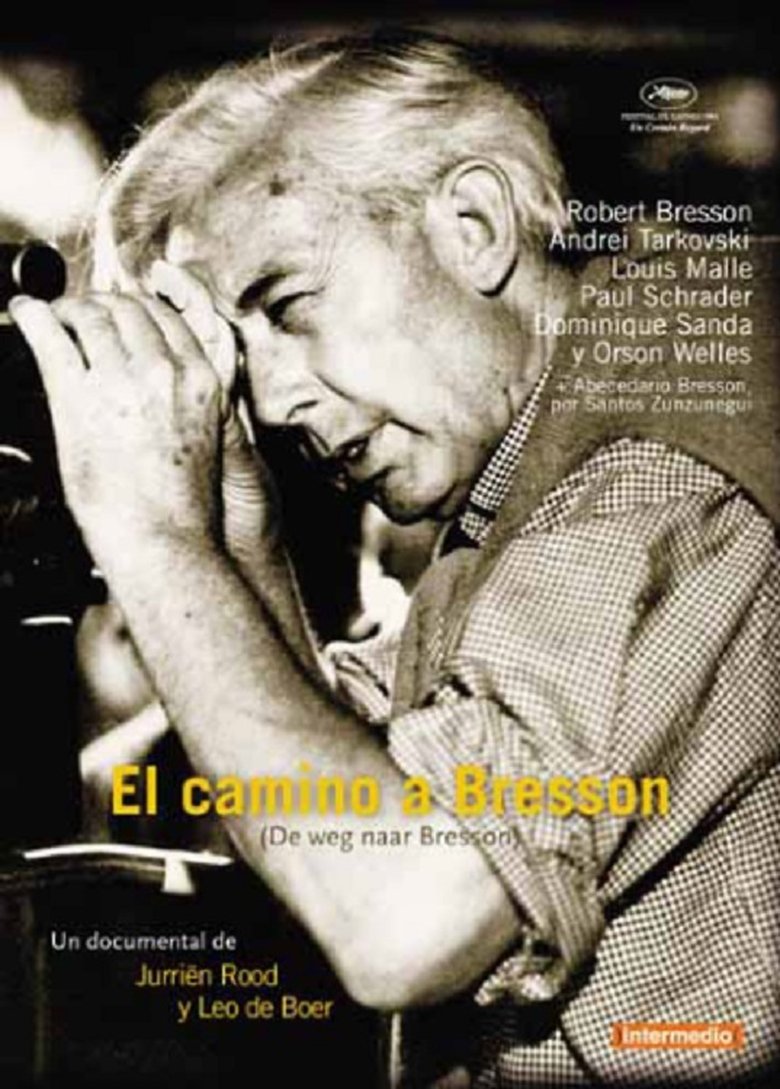
1984
Director
Jurriën Rood, Leo de Boer
Runtime
54 minutes
Average Rating
No ratings yetSynopsis
A Dutch documentary about legendary French filmmaker Robert Bresson.
Overall Score
Fair
Category Breakdown
LGBTQ+ Representation
The documentary lacks dedicated LGBTQ+ narratives or queer-coded subtext. It functions as a biographical study of Robert Bresson's philosophy rather than exploring identity-based themes.
Gender Representation
The film centers on the male-dominated 'auteur' tradition. Both the subject and the directing team are male, offering little focus on female agency or gender subversion.
Racial & Ethnic Diversity
The production is Eurocentric, focusing on Dutch filmmakers and a French subject. It lacks a diverse cast or narratives that challenge Western-centric power dynamics.
Religious & Cultural Diversity
The film offers a secular, intellectualized appreciation of European cinema. It prioritizes artistic technique and high-culture study over traditional religious or patriotic narratives.
Disability Representation
There is no documented evidence regarding the portrayal of visible or invisible disabilities within this documentary.
Strengths
Areas for Improvement
AI Analysis
The film is a specialized, academic documentary that prioritizes film theory over social representation. Its narrative architecture is designed to analyze the legacy of Robert Bresson, which naturally limits its scope to a specific historical and intellectual context. Because the subject matter is the study of a single male auteur, the film inherently reflects traditional Western cinematic hierarchies. It functions as a preservation of cinematic history rather than a tool for social disruption. Ultimately, the documentary remains a neutral, Eurocentric study. It avoids harmful stereotypes but does not actively incorporate intersectional identities or diverse perspectives into its analytical framework.
2018
2020
1975
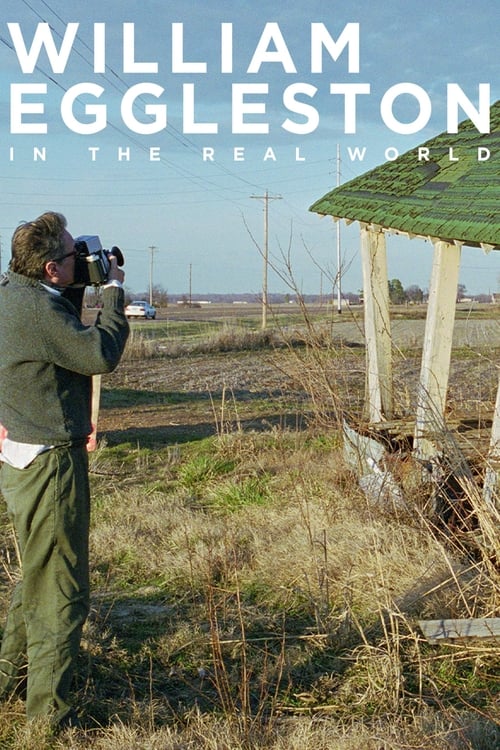
2005
2008
1998
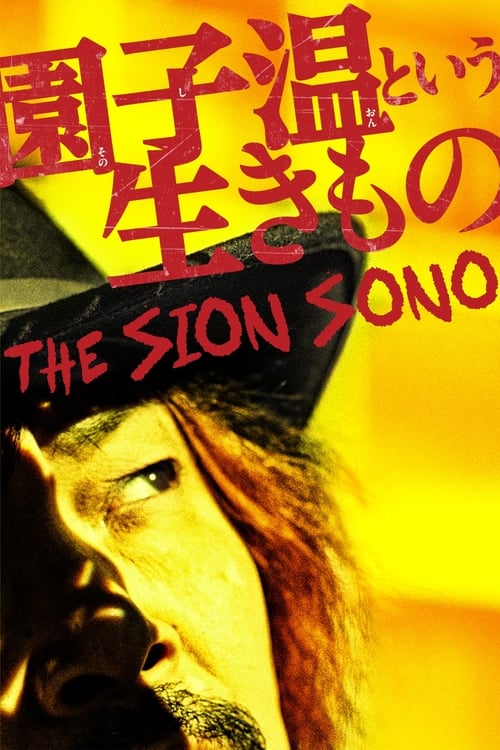
2016
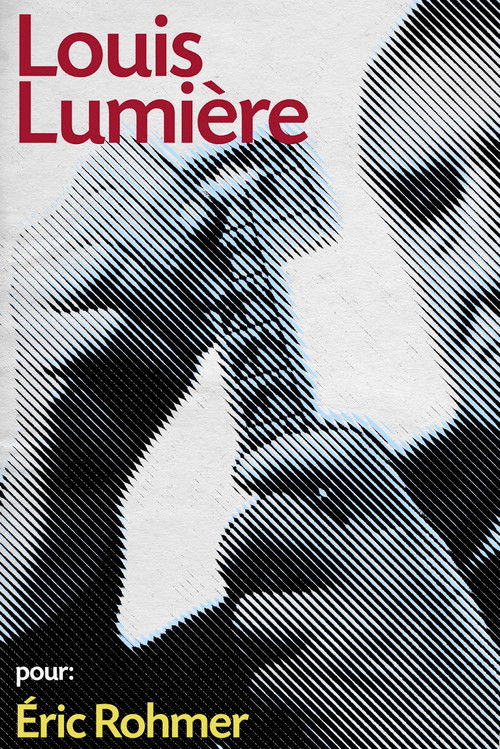
1968
1986
2010

1998
1978
No reviews yet. Be the first to share your thoughts on this movie!
Use the rating form above to leave a star rating and optional review.