
The Rules of Film Noir
2009
No user ratings available yet
Diversity score: 3.6 out of 10
2005
Director
Karen Hillhouse, John Rust
Runtime
20 minutes
Average Rating
No ratings yetSynopsis
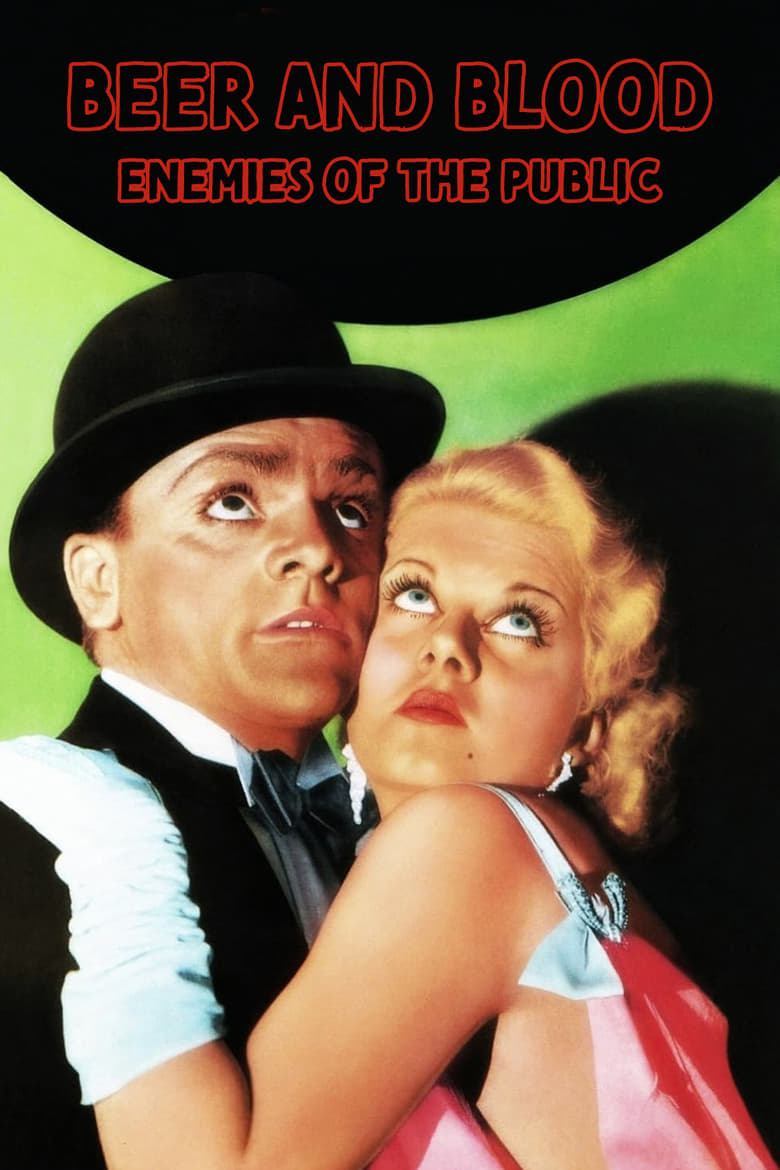
An examination of "The Public Enemy" (1931) by film historians and critics.
Overall Score
Fair
Category Breakdown
LGBTQ+ Representation
The documentary maintains a neutral, academic stance toward its subject matter. It lacks explicit queer narratives or character agency, focusing instead on the historical context of the 1931 era.
Gender Representation
The film centers on early gangster cinema, a genre defined by hyper-masculine archetypes. It does not appear to actively deconstruct these patriarchal power dynamics through its own presentation.
Racial & Ethnic Diversity
The analysis reflects the homogeneous, Anglo-centric casting typical of the 1931 Hollywood era. There is no evidence of the filmmakers addressing systemic racial exclusion through a modern lens.
Religious & Cultural Diversity
The film functions as a piece of film criticism regarding the morality of the gangster archetype. It prioritizes historical analysis over the promotion of specific social or anti-Western ideologies.
Disability Representation
There is no documented evidence regarding the representation of physical, sensory, or neurodivergent identities within this work.
Strengths
Areas for Improvement
AI Analysis
This documentary serves as a scholarly retrospective on the 1931 film *The Public Enemy*. Because its primary goal is film historiography and academic critique, it prioritizes historical accuracy over contemporary intersectional representation. The subject matter is inherently limited by the era it examines. The focus on early gangster tropes naturally emphasizes masculine leadership and Anglo-centric narratives, which limits the demographic breadth of the content. Ultimately, the film acts as a mirror to the period it studies. It captures the social constraints of early Hollywood rather than attempting to subvert them through modern diversity initiatives.
2009

1999

2004

2003

2006

2002

1979

2004

1992

2018

2021

2001
No reviews yet. Be the first to share your thoughts on this movie!
Use the rating form above to leave a star rating and optional review.