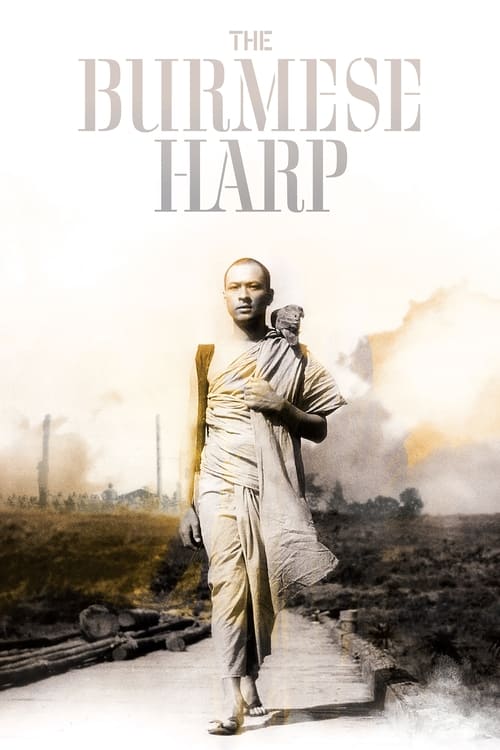
The Burmese Harp
1956
No user ratings available yet
Representation score: 2.8 out of 10
Representation Score
Good
1972
Director
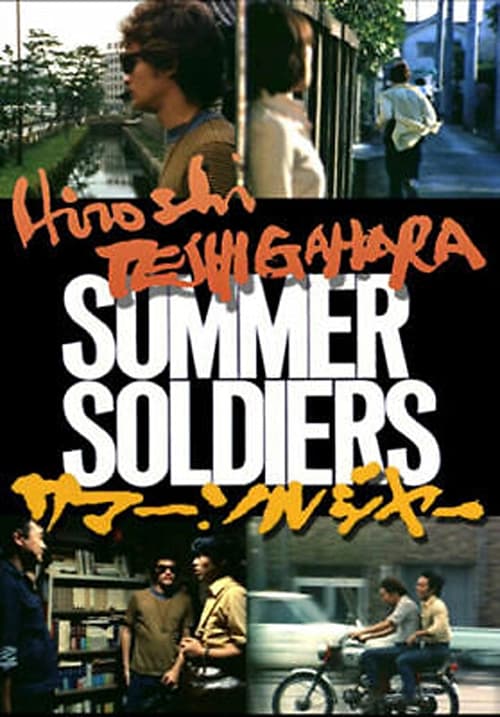
Hiroshi Teshigahara
Runtime
107 minutes
Average Rating
No ratings yetNew Showbiz Analysis
Summer Soldiers deconstructs the traditional war film archetype by prioritizing individual ability to act over patriotic heroism. It replaces standard combat narratives with a sophisticated critique of mid-century institutional power and systemic oppression. The film excels at using cross-cultural interaction to challenge the political hegemony of the Vietnam War era. While it offers deep psychological and political exploration, it lacks representation for LGBTQ+ identities and characters with disabilities.
Category Breakdown
The film centers on a heterosexual relationship between an American soldier and a Japanese hostess. It does not depict any LGBTQ+ identities or relationships that challenge the assumption that everyone is straight or cisgender.
A Japanese hostess plays a crucial role as a central catalyst rather than a passive character. She provides the necessary intelligence and ability to act for the protagonist to navigate Tokyo.
The story explores the tension between Western and Eastern identities. It moves beyond monolithic perspectives by integrating an American protagonist into Japanese anti-war social circles.
The narrative critiques Western military authority and geopolitical structures. It frames the rejection of military duty as a form of political rebellion against systemic oppression.
There is no evidence of characters with visible or invisible disabilities within the film's narrative.
Present on Screen
Limited or Absent
Official Synopsis
During the Vietnam War, an American G.I. deserts his base in Japan and escapes to Tokyo with the help of his Japanese bar hostess girlfriend. In the capital he gets involved with an anti-war organization while dodging the military police.
1956
1959

1970

1989

1985
1992

1966
1974
No reviews yet. Be the first to share your thoughts on this movie!
Use the rating form above to leave a star rating and optional review.