
La cravate
2020
No user ratings available yet
Representation score: 4.2 out of 10
Representation Score
Fair
2022
Director
Jean-Pierre Pozzi
Runtime
85 minutes
Average Rating
No ratings yetNew Showbiz Analysis
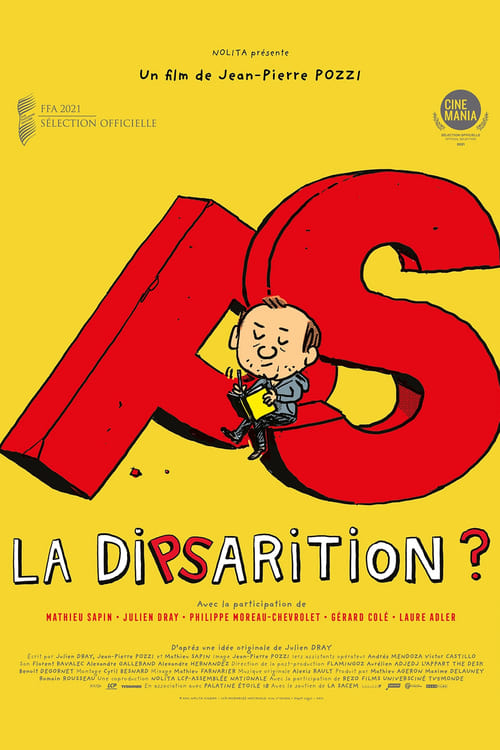
The Disappearance? functions primarily as a political autopsy of the French Socialist Party. Its strength lies in its analytical deconstruction of institutional stability and the erosion of established political frameworks. However, the film lacks verifiable data regarding diverse social identities. The narrative appears heavily centered on traditional power structures and male-dominated figures of the French state. Ultimately, while the documentary offers a sharp critique of systemic political failure, it provides little visibility for diverse social identities or underrepresented perspectives.
Category Breakdown
The documentary does not explicitly mention LGBTQ+ characters or narratives. Queer identities might exist within the broader social context, but there are no intentional, character-driven arcs focused on non-straight relationships.
The film centers on male-dominated political spheres, highlighted by the mention of Julien Dray. While the analysis of power structures may touch on gendered hierarchies, specific depictions of women's roles are not confirmed.
The investigation into the Socialist Party's decline may touch on shifting demographics. However, the era's leadership was historically lacking in ethnic diversity, and no multi-ethnic cast is explicitly shown.
The film excels in its institutional critique of Western political structures. It prioritizes behind-the-scenes truths to deconstruct the decline of a major political ideology.
There is no evidence to suggest that disability, neurodivergence, or chronic illness serve as central themes or featured character arcs within this political documentary.
Present on Screen
Limited or Absent
Official Synopsis
Mathieu Sapin, a successful comic books author (Gérard, cinq années dans les pattes de Depardieu), creates an album to mark the fortieth anniversary of François Mitterand’s election. He turns to the figures in the shadows of the Socialist Party, in the forefront of which is Julien Dray known as the “Baron Noir”. Through anecdotes and firsthand accounts of those who spent time in the highest spheres of the French state since 1981, Mathieu Sapin attempts to answer the big question: “who killed the French left?”.
2020
2019
2020

2017
2012
2017
2002
2023
No reviews yet. Be the first to share your thoughts on this movie!
Use the rating form above to leave a star rating and optional review.