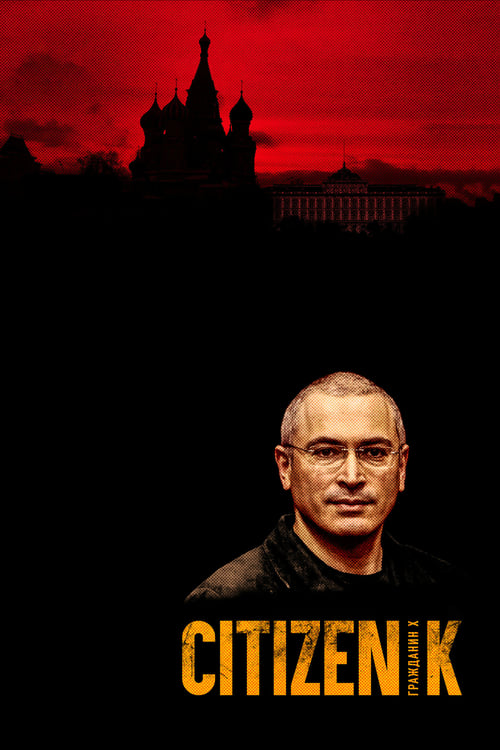
Citizen K
2019
No user ratings available yet
Diversity score: 5.8 out of 10

2003
Director
Andrea Cairola, Susan Gray
Runtime
56 minutes
Average Rating
No ratings yetSynopsis
All the games and behind-the-scenes of Silvio Berlusconi's power, including politics, media and soccer. Citizen Berlusconi is the original version of the documentary written by Andrea Cairola and Susan Gray broadcast on August 21, 2003, during the Wide Angle program of Thirteen/Wnet New York, the major U.S. public TV station Pbs.
Overall Score
Good
Category Breakdown
LGBTQ+ Representation
The documentary focuses on the intersection of media, politics, and sports. There is no specific evidence regarding the inclusion of LGBTQ+ narratives or identities.
Gender Representation
The film examines the games of power within media and politics. It suggests a focus on how institutional power and gendered hierarchies are wielded in the public sphere.
Racial & Ethnic Diversity
The narrative is centered on a Eurocentric political landscape. The focus on Italian domestic politics suggests a lack of significant racial or ethnic intersectionality.
Religious & Cultural Diversity
The film engages deeply with themes of systemic critique. It scrutinizes the convergence of capitalism, media conglomerates, and state governance through a sophisticated lens.
Disability Representation
There is no verifiable information regarding the portrayal of individuals with disabilities in this work.
Strengths
Areas for Improvement
AI Analysis
Citizen Berlusconi serves as a piece of institutional critique rather than a study in demographic representation. It deconstructs the relationship between media ownership and political authority, challenging traditional perceptions of democratic stability. The film's strength lies in its systemic approach to storytelling. By examining the mechanics of power, it provides a sophisticated analysis of how media-driven politics function within a Western framework. However, the documentary's narrow focus on Italian political structures limits its intersectional breadth. The narrative architecture remains largely centered on a specific Eurocentric landscape, offering little engagement with diverse racial or LGBTQ+ identities.
2019
1993

2013

2009

2022
2019
2004
2022

2016
2017
2004
2017
No reviews yet. Be the first to share your thoughts on this movie!
Use the rating form above to leave a star rating and optional review.