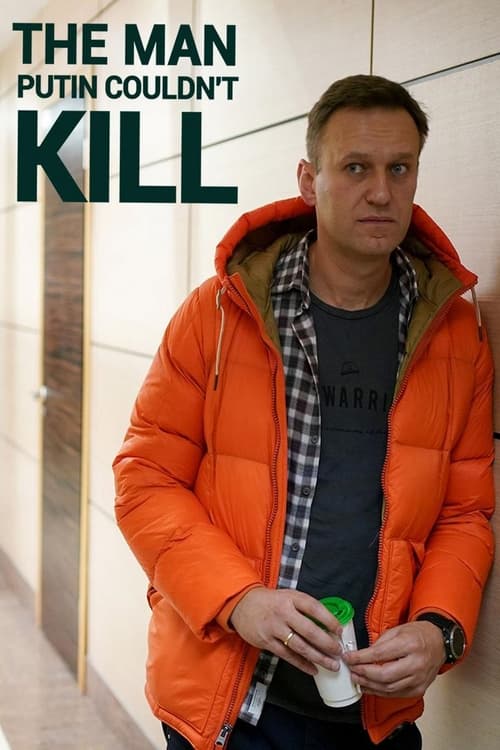
The Man Putin Couldn't Kill
2021
No user ratings available yet
Representation score: 7.5 out of 10
Representation Score
Fair
2017
Director
Vera Krichevskaya
Runtime
126 minutes
Average Rating
No ratings yetNew Showbiz Analysis
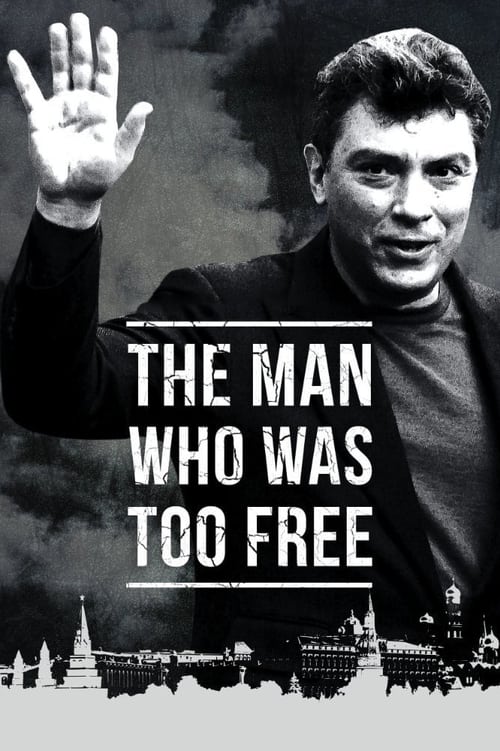
The documentary serves primarily as a sociopolitical critique of state power rather than a study in demographic the way different parts of someone's identity overlap. It prioritizes the investigation of systemic oppression and individual ability to act over broad representation. While the film excels at challenging institutional hierarchies and state-driven nationalism, it lacks diversity in terms of gender and sexual orientation. The narrative is heavily centered on a single male protagonist and a homogeneous political landscape. Ultimately, the work is a focused study of political dissent within the Russian Federation, making its narrow demographic scope a reflection of its specific geopolitical subject matter.
Category Breakdown
The film focuses on the political career and assassination of Boris Nemtsov. There is no explicit focus on LGBTQ+ narratives or critiques of the assumption that everyone is straight or cisgender.
Narrative ability to act is concentrated on Nemtsov, a male political figure. The documentary lacks specific details regarding the inclusion of female political actors or the challenge of male leadership clichés.
The subjects are largely homogeneous, reflecting the specific ethnic and national landscape of the Russian opposition movement. The focus remains on internal Russian political structures and domestic authority.
The film provides a strong critique of state-driven nationalism and traditional authority. It frames the individual's struggle against centralized, oppressive political institutions.
Neurodivergence, physical disability, or mental health conditions are not utilized as significant narrative drivers in this documentary.
Present on Screen
Limited or Absent
Official Synopsis
A documentary about Boris Nemtsov, a prominent figure of Russian political opposition and an outspoken critic of Vladimir Putin. Nemtsov was murdered in Moscow in February of 2015.
2021
2015
2019
2019
2011
2015
2015
2020
No reviews yet. Be the first to share your thoughts on this movie!
Use the rating form above to leave a star rating and optional review.