The Man Who Was Too Free
2017
No user ratings available yet
Diversity score: 5.4 out of 10
2017
Runtime
49 minutes
Average Rating
No ratings yetSynopsis
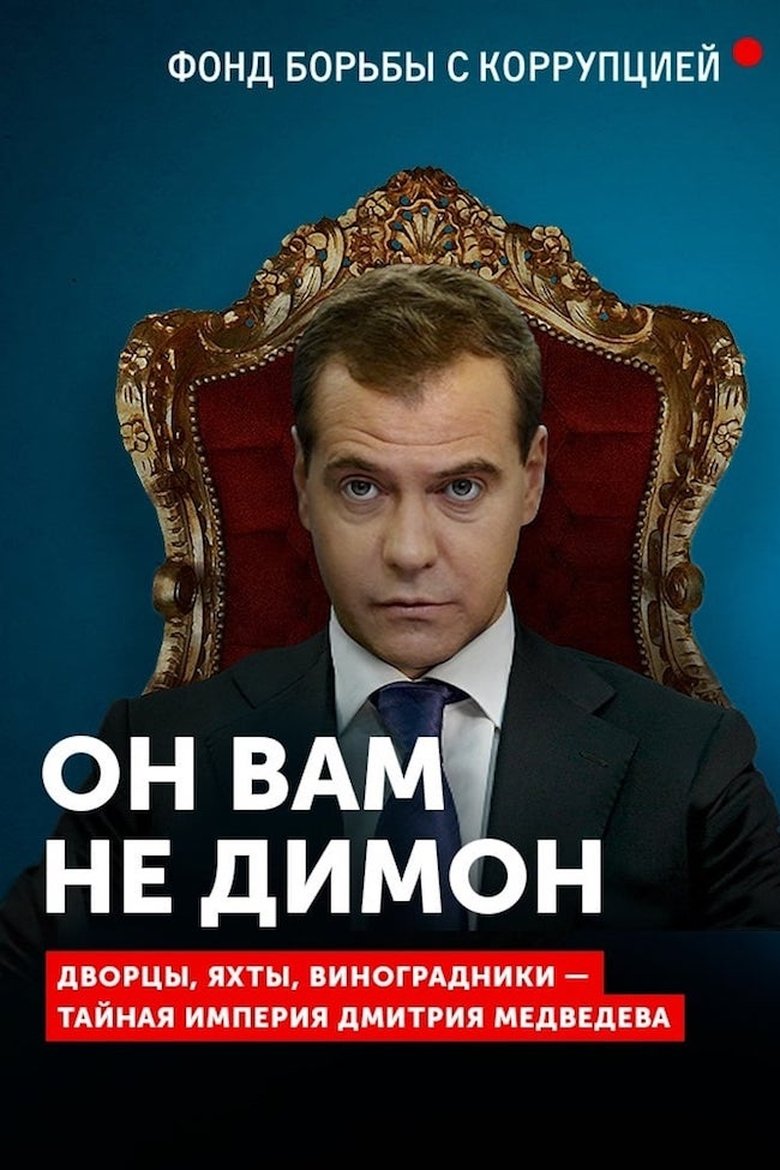
A 2017 Russian documentary film about alleged corruption by Prime Minister of Russia Dmitry Medvedev. The film claims that Dmitry Medvedev has embezzled an estimated $1.2 billion.
Overall Score
Fair
Category Breakdown
LGBTQ+ Representation
The documentary focuses on high-level political corruption and financial embezzlement. There is no explicit depiction of LGBTQ+ identities or narratives within the film's architecture.
Gender Representation
The narrative centers on Dmitry Medvedev and the structures of the Russian Prime Minister's office. It functions as a critique of political competence rather than an exploration of gendered archetypes.
Racial & Ethnic Diversity
The film operates within a specific geopolitical context focused on the internal political landscape of Russia. It lacks a diverse, multi-ethnic cast or narratives blending various racial identities.
Religious & Cultural Diversity
The film adopts a framework of institutional critique by challenging state-sanctioned narratives. It prioritizes exposing systemic malfeasance over the preservation of nationalistic or patriotic ideals.
Disability Representation
There is no information regarding the inclusion or portrayal of individuals with physical or neurodivergent disabilities.
Strengths
Areas for Improvement
AI Analysis
Don't Call Him Dimon is a targeted political critique centered on systemic corruption and the deconstruction of established power hierarchies. Its primary impact stems from its challenge to state authority and its emphasis on institutional accountability. While the film excels in cultural representation through its anti-authoritarian lens, it lacks intersectional depth. The narrative is narrow, focusing almost exclusively on the domestic power dynamics of the Russian state. Consequently, the film lacks visible representation regarding gender, race, and LGBTQ+ identities, resulting in a score that reflects a specialized political focus rather than a broad social spectrum.
2017
2021
2015
2022
2010
2011

2016
2003
2014
2020
2015

2022
No reviews yet. Be the first to share your thoughts on this movie!
Use the rating form above to leave a star rating and optional review.