Godard Cinema
2023
No user ratings available yet
Diversity score: 6.2 out of 10
2015
Director
Denis Robert, Nina Robert
Runtime
90 minutes
Average Rating
No ratings yetSynopsis
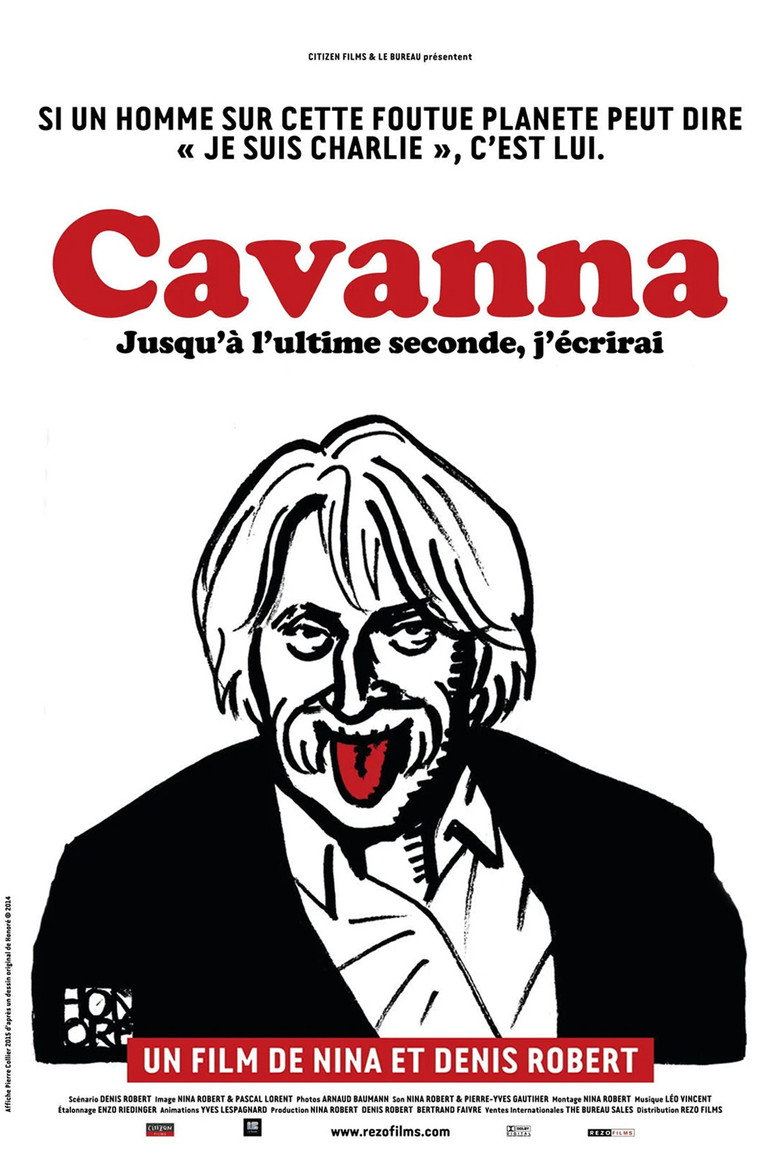
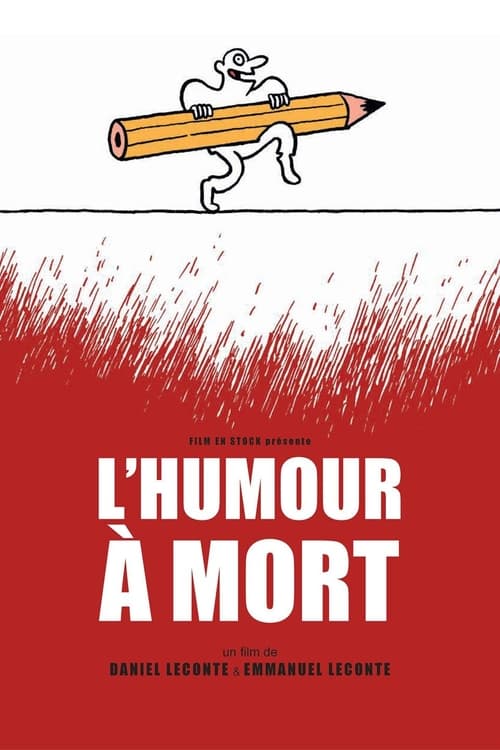
A feature-length documentary about François Cavanna—creator of the publications Charlie Hebdo and Hara-Kiri—who passed away on January 29, 2014. His influence on several generations of writers, journalists, and comedians is far too little known. While older audiences are aware that he co-founded Hara-Kiri and Charlie Hebdo with Choron, the dozens of books and collections he wrote or contributed to remain largely unfamiliar. People chiefly remember his early autobiographical works—such as *Les Ritals*, *Les Russkoffs*, and *Bête et méchant*—while overlooking his historical novels, encyclopedias, and polemical writings like *Stop crève…* The film draws on interviews with Cavanna conducted shortly before his death, forgotten archival footage, and previously unheard testimonies from figures such as Siné, Willem, Delfeil de Ton, and Sylvie Caster.
Overall Score
Good
Category Breakdown
LGBTQ+ Representation
The film explores a historical era where satirical media challenged heteronormative standards. While specific LGBTQ+ character arcs are not detailed, the publications founded by Cavanna acted as catalysts for questioning traditional sexual norms.
Gender Representation
The documentary centers on a male figure within a male-dominated journalistic landscape. However, its celebration of anarchic satire inherently deconstructs the rigid, patriarchal structures of mid-20th-century French society.
Racial & Ethnic Diversity
The narrative is deeply rooted in French socio-political history and Western European journalistic traditions. While the critique of state authority intersects with broader struggles, the core focus remains culturally specific.
Religious & Cultural Diversity
The film excels by chronicling the subversion of religious authority and conservative morality. It frames satire as a vital tool for challenging institutional dogma and prioritizing irreverent, subjective truths.
Disability Representation
There is no significant evidence regarding the portrayal of physical or neurodivergent disabilities within the film's narrative.
Strengths
Areas for Improvement
AI Analysis
This documentary serves as a study of media as a tool for systemic critique. By focusing on François Cavanna and the founding of publications like Charlie Hebdo, the film highlights the disruption of established political and religious hierarchies. The work achieves its highest impact through cultural subversion. It celebrates the dismantling of traditional Western institutions and the use of satire to challenge state patriotism and conservative social norms. However, the film remains limited by its narrow historical and demographic focus. The narrative is centered on a specific male-dominated journalistic milieu, which limits its breadth regarding racial and gender-specific representation.
2023
2022
2014
2023
2017
1997
2017
1992
2019
2006
2015

2009
No reviews yet. Be the first to share your thoughts on this movie!
Use the rating form above to leave a star rating and optional review.