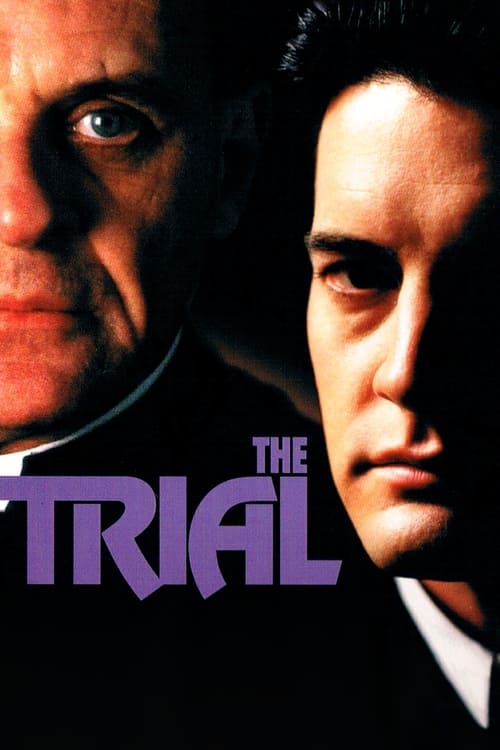
The Trial
1993
No user ratings available yet
Representation score: 4.3 out of 10
Representation Score
Limited
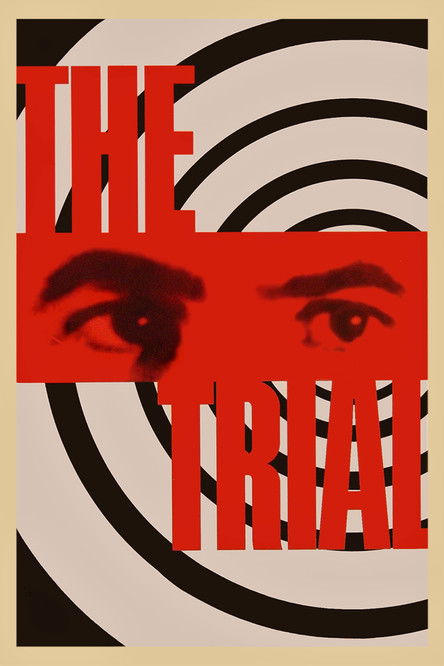
1962
NRDirector
Orson Welles
Runtime
119 minutes
Average Rating
No ratings yetNew Showbiz Analysis
Orson Welles's adaptation is a masterful deconstruction of institutional stability through high-modernist surrealism. It effectively critiques the reliability of Western legal and social structures. However, the film lacks demographic diversity. The cast is predominantly white and Eurocentric, and the narrative does not offer meaningful representation for women or LGBTQ+ identities. Ultimately, the work prioritizes a critique of systemic power over social hierarchy, making it a profound existential study that remains narrow in its human diversity.
Category Breakdown
The film does not include any non-cisgender identities or queer-coded subtext. It focuses solely on the protagonist's psychological isolation.
Women are portrayed mainly as peripheral or predatory figures within an oppressive system. They have little independence and play minor roles in driving the story.
The cast is mostly white, reflecting the film's 1962 European production context. The film avoids diverse ethnic perspectives.
The film criticizes Western institutions such as the judiciary and bureaucracy, portraying them as corrupt and dehumanizing machines.
There are no explicit depictions of physical or neurodivergent disabilities. However, the film uses surrealism to symbolize profound cognitive and sensory alienation.
Present on Screen
Limited or Absent
Official Synopsis
Arrested for an unnamed crime, Josef K. is trapped in a surreal bureaucratic maze where justice is unknowable and guilt is assumed.
1993
1948
1974
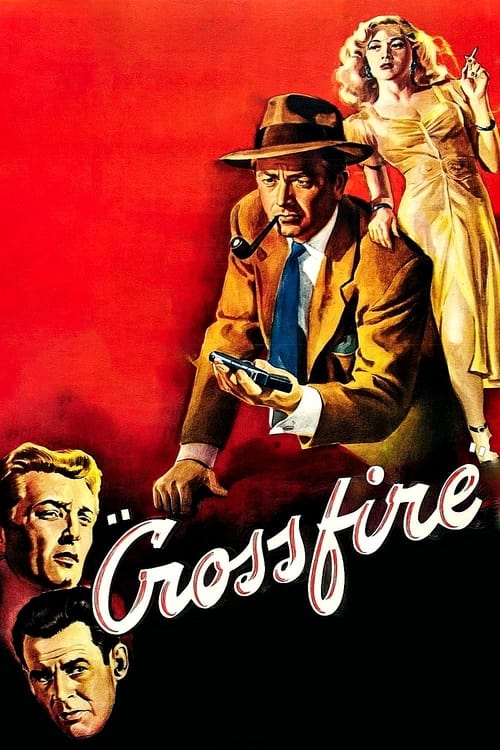
1947
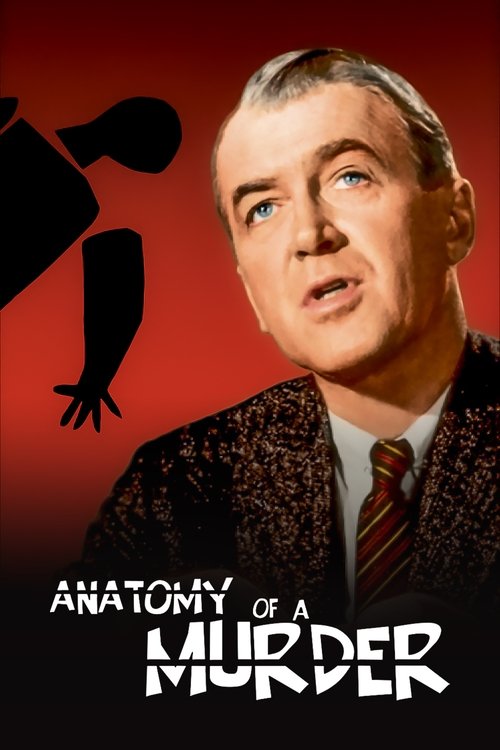
1959
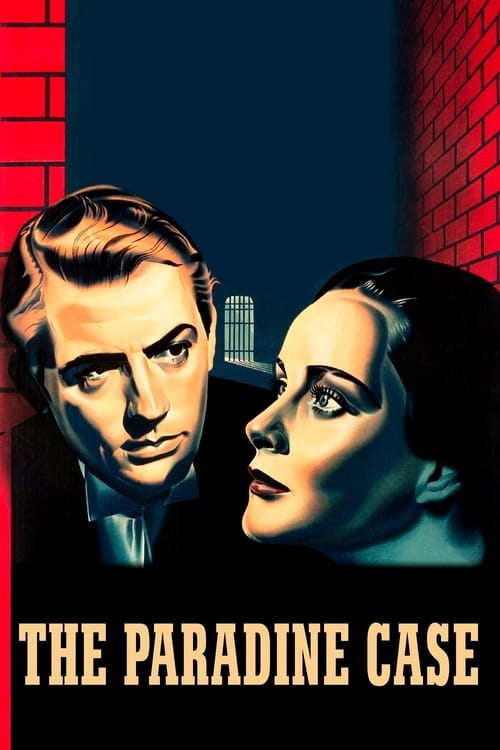
1947
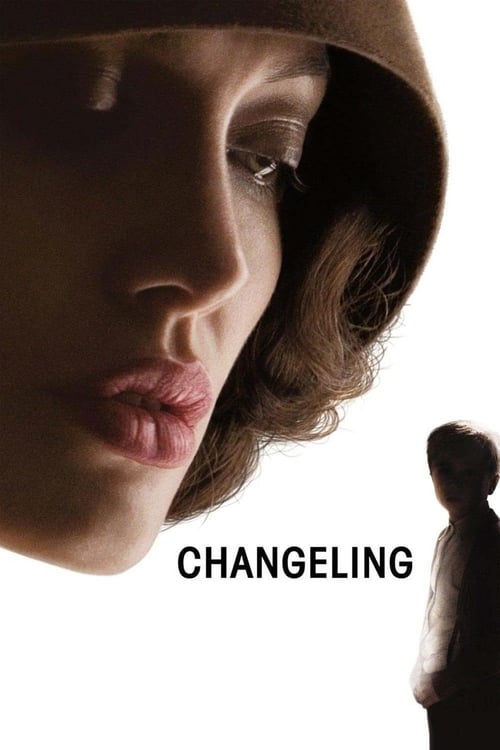
2008
1953
No reviews yet. Be the first to share your thoughts on this movie!
Use the rating form above to leave a star rating and optional review.