
Inspector Lavardin
1986
No user ratings available yet
Diversity score: 2.3 out of 10
1990
Director
György Fehér
Runtime
100 minutes
Average Rating
No ratings yetSynopsis
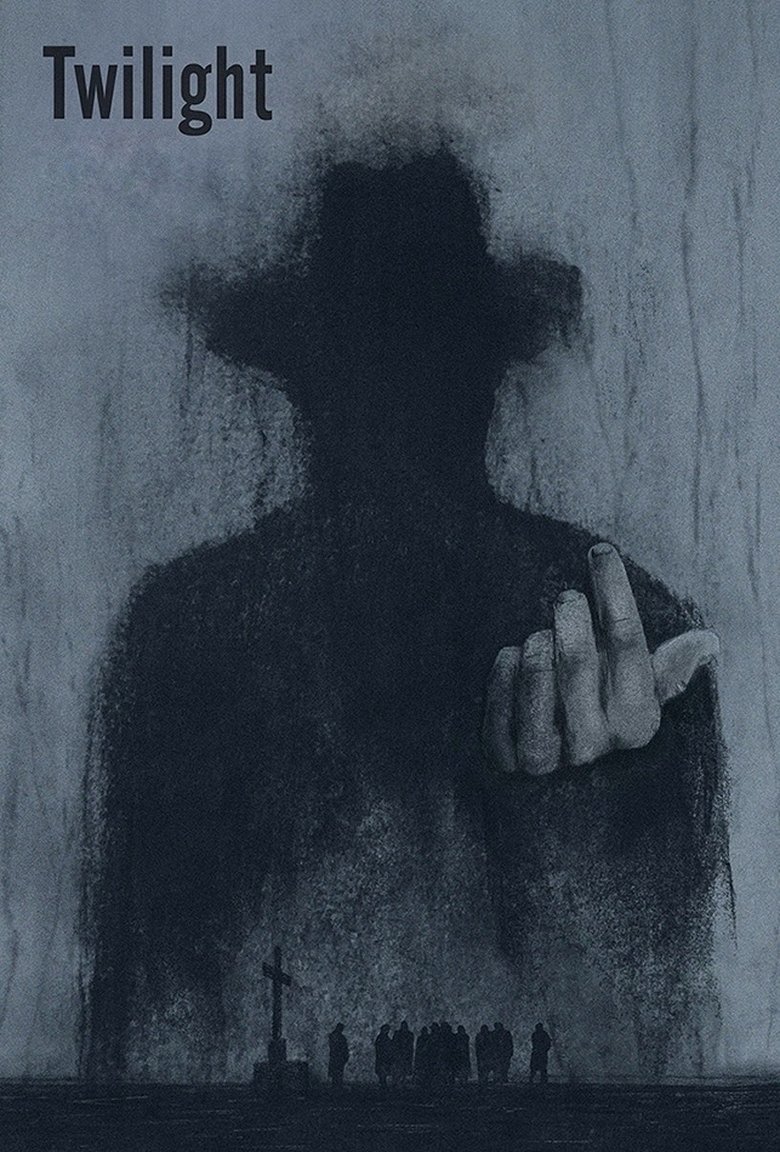
In the dense and murky woodlands of provincial Hungary, the search for a child murderer drags a once-respected detective into an all-consuming obsession enshrouded by irresolution and despair, even long after he has been taken off the case. What emerges is not a crime story, but a harrowing venture through the darkness of the human soul.
Overall Score
Fair
Category Breakdown
LGBTQ+ Representation
The film lacks explicit evidence of queer identities or non-heteronormative characters. Its focus on moral ambiguity suggests a departure from binary frameworks, but visible representation remains absent.
Gender Representation
The story centers on a male detective losing his agency and status. While it subverts masculine archetypes by portraying vulnerability over stoicism, diverse gender roles are not documented.
Racial & Ethnic Diversity
Set in provincial Hungary, the film appears to reflect a culturally homogeneous environment. There is no evidence of intersectional casting or diverse ethnic identities within the primary cast.
Religious & Cultural Diversity
The narrative deconstructs the triumph of law and order by emphasizing despair and institutional failure. It offers a critique of social structures through a lens of moral relativism.
Disability Representation
No physical or neurodivergent disabilities are documented. However, the protagonist's all-consuming obsession serves as a central psychological condition that drives the narrative's momentum.
Strengths
Areas for Improvement
AI Analysis
Twilight functions as a psychological drama that prioritizes existential inquiry over demographic breadth. It subverts the traditional crime genre by focusing on the internal disintegration of a detective rather than the resolution of a mystery. The film's strength lies in its narrative deconstruction of authority and its exploration of the human soul. It replaces the heroic detective trope with a study of obsession and systemic despair. However, the work remains limited in its visible intersectional representation. The setting and character focus suggest a lack of racial, ethnic, and queer diversity, leaning instead toward a homogeneous, psychological study.
1986

2006
1984

2006

2017
2016
1998

2009
No reviews yet. Be the first to share your thoughts on this movie!
Use the rating form above to leave a star rating and optional review.