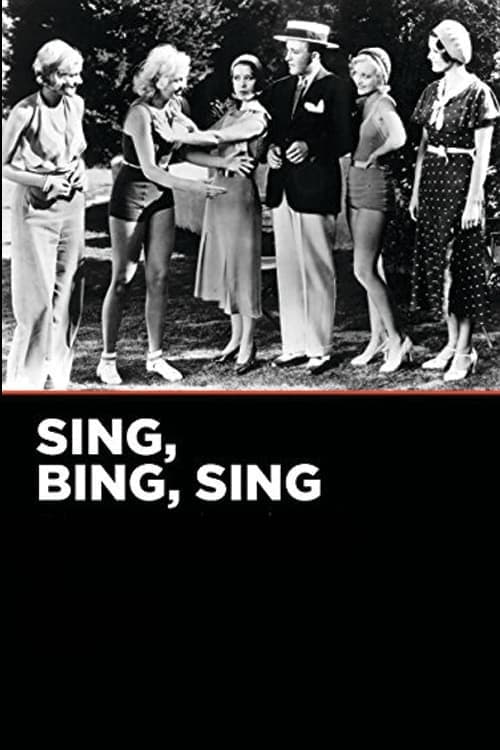
Sing, Bing, Sing
1933
No user ratings available yet
Representation score: 1.1 out of 10
No Poster Available
Representation Score
Minimal
1938
ApprovedDirector
Al Christie
Runtime
19 minutes
Average Rating
No ratings yetNew Showbiz Analysis
Sing for Sweetie is a period-typical comedy that reinforces the social and romantic norms of the late 1930s. While the female lead takes control by making her own romantic choices, the narrative structure lacks complexity in reflecting multiple aspects of identity. The film relies on established hierarchies, focusing on class-based tensions and traditional courtship. It functions as a restorative moral arc rather than a deconstruction of Western institutions like family or social class. Ultimately, the work adheres to the conventional storytelling structures of its era, prioritizing slapstick and romantic resolutions over progressive representation.
Category Breakdown
The film follows a standard heterosexual courtship model. There is no evidence of non-binary gender identities or critiques of the assumption that everyone is straight or cisgender within the plot.
Sally Newton takes control by choosing her own suitor and planning her own elopement. However, the conflict is driven by patriarchal structures and the resolution favors a conventional romantic union.
The narrative suggests a homogeneous casting approach typical of 1938. The focus remains on class-based conflict between a singer and a clerk rather than ethnic diversity.
The story operates within traditional Western social values, focusing on social standing versus romantic impulses. The gangster cliché appears to be a genre convention rather than a systemic critique.
There is no information available regarding the depiction of physical or neurodivergent characters in this film.
Present on Screen
Limited or Absent
Official Synopsis
Sally Newton is in love with Lee Sullivan, a young tenor singer with Johnny Johnson's Orchestra, but her father prefers a stuffy young clerk as her suitor. She makes him taker her to the nightclub where Lee sings. Lee has arranged for Sally to elope with him, his song "Let's Take It on the Chin" being the signal for her. But the clerk has hired a tough gangster to keep Lee from singing.
1933

1933

1942

1948

1941
1937

1936

1937
No reviews yet. Be the first to share your thoughts on this movie!
Use the rating form above to leave a star rating and optional review.