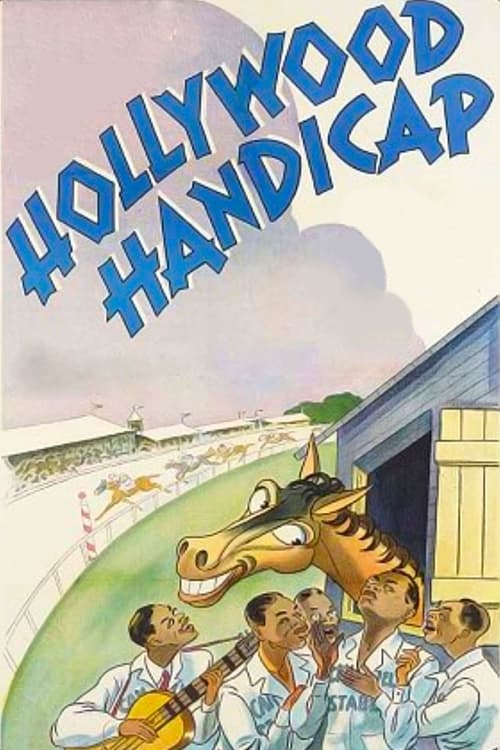
Hollywood Handicap
1938
No user ratings available yet
Representation score: 0.8 out of 10
Representation Score
Minimal
1930
PassedDirector
Alan Crosland
Runtime
68 minutes
Average Rating
No ratings yetNew Showbiz Analysis
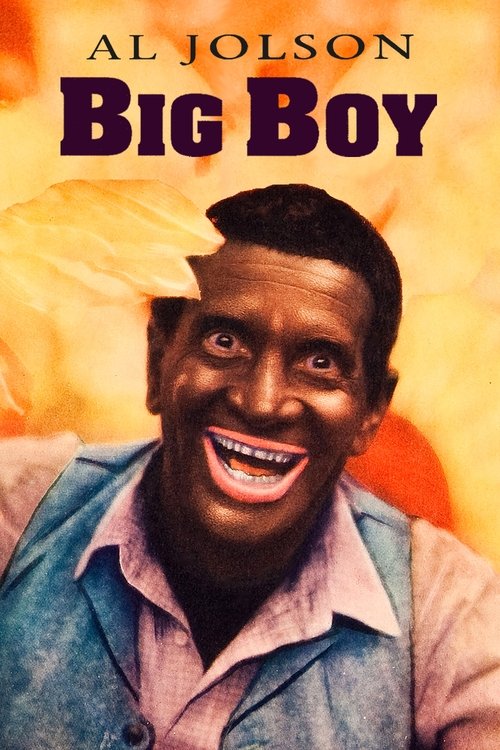
Big Boy is a traditional early sound comedy that emphasizes a conventional, individualistic storyline. The plot follows Gus, a domestic worker, as he pursues success through the Kentucky Derby. Because the film centers on a singular masculine goal within established sporting traditions, it lacks depth in representing diverse identities. The narrative adheres to the standard cinematic frameworks of the 1930s, offering little disruption of social norms. Ultimately, the film serves as a typical comedy of its era, lacking representation for LGBTQ+ identities, diverse racial backgrounds, or varied gender roles.
Category Breakdown
The film does not depict any non-straight relationships or same-sex intimacy. It focuses solely on the main character's personal goals.
The story centers around Gus, a male character, and his pursuit of a traditionally masculine goal in horse racing. There is no evidence of women having significant roles or challenging gender norms.
The text does not confirm the ethnic backgrounds of the actors or the main character, Gus. The score reflects a lack of verifiable racial diversity.
The film follows typical Western stories of the time, emphasizing individual achievement. It does not question traditional social or family structures.
The film does not show any characters dealing with physical, neurodivergent, or mental health issues. The narrative does not address disability.
Present on Screen
Limited or Absent
Official Synopsis
Gus, the trusty family retainer, has hopes of riding his boss' horse, Big Boy, to victory at the Kentucky Derby.
1938
1937
1936
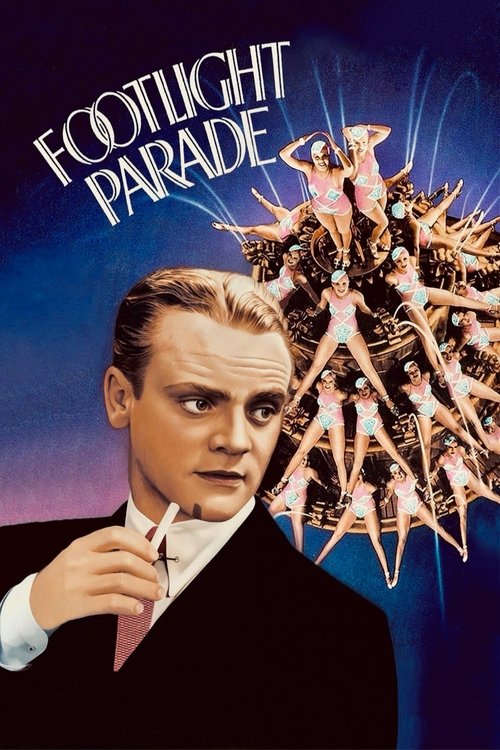
1933
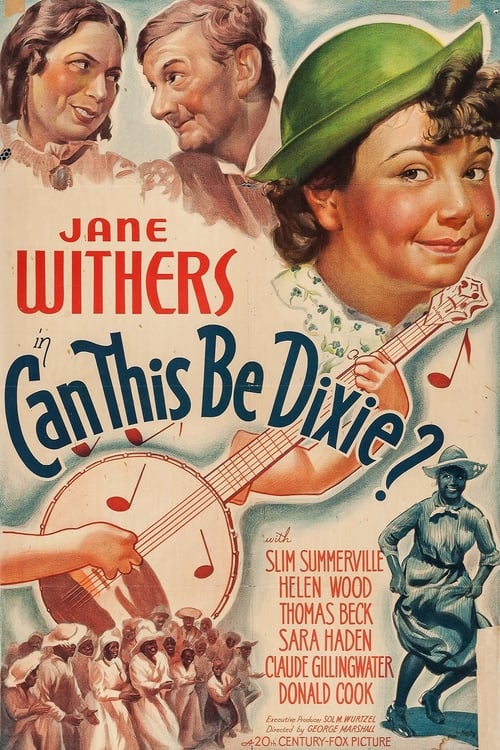
1936
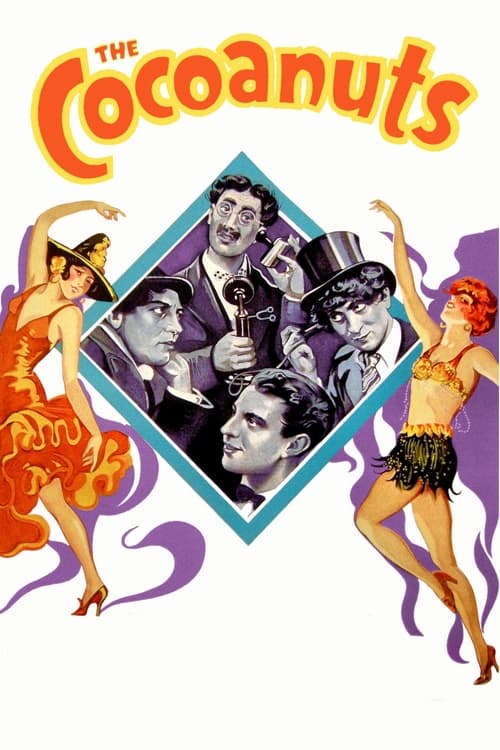
1929

1937
1930
No reviews yet. Be the first to share your thoughts on this movie!
Use the rating form above to leave a star rating and optional review.