
What Goes Up
1939
No user ratings available yet
Representation score: 3.4 out of 10
Representation Score
Limited
1948
ApprovedDirector
William Forest Crouch
Runtime
30 minutes
Average Rating
No ratings yetNew Showbiz Analysis
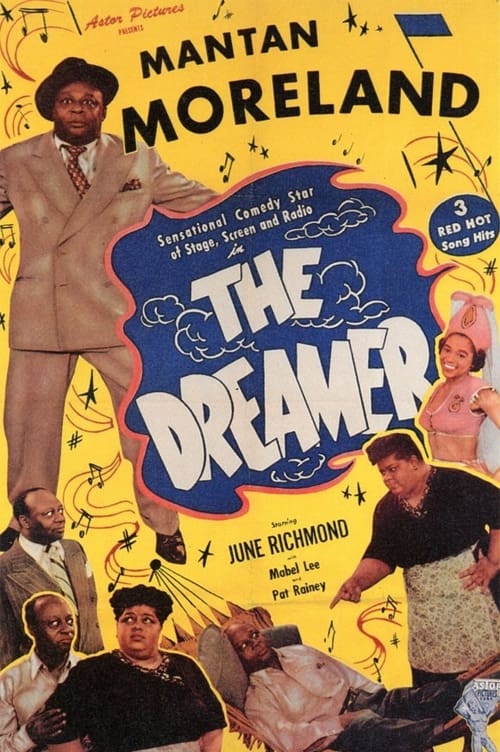
The Dreamer stands as a notable historical exception to the era's white-centric casting norms. By centering an all-Black cast and featuring Mantan Moreland, the film provides a platform for Black talent and ability to act that was rare for 1948. However, the film remains tied to the social and cinematic hierarchies of its time. It lacks progressiveness in addressing different aspects of identity, showing no evidence of gender subversion, LGBTQ+ representation, or cultural deconstruction. Ultimately, while it breaks racial barriers, it functions within the established moral and gendered structures of the mid-20th century.
Category Breakdown
The film does not include any LGBTQ+ characters or narratives. It does not critique the assumption that everyone is straight or cisgender.
The film likely adheres to traditional gender roles common in 1948 musical comedies. There is no indication of female characters challenging hierarchies or deconstructing masculinity.
The production features an all-Black cast, which significantly disrupts the racial exclusivity of 1948 cinema. Mantan Moreland’s central role ensures the narrative is driven by Black talent and ability to act.
The film operates within standard mid-century social frameworks. It lacks themes that challenge Western institutions, capitalism, or secularism, focusing instead on traditional entertainment values.
There is no information regarding the depiction of physical or neurodivergent characters. The film does not appear to use disability as a narrative device.
Present on Screen
Limited or Absent
Official Synopsis
An all-black musical featuring the talent of funnyman Mantan Moreland.
1939
1951

1937
1943

1948

1955
1949
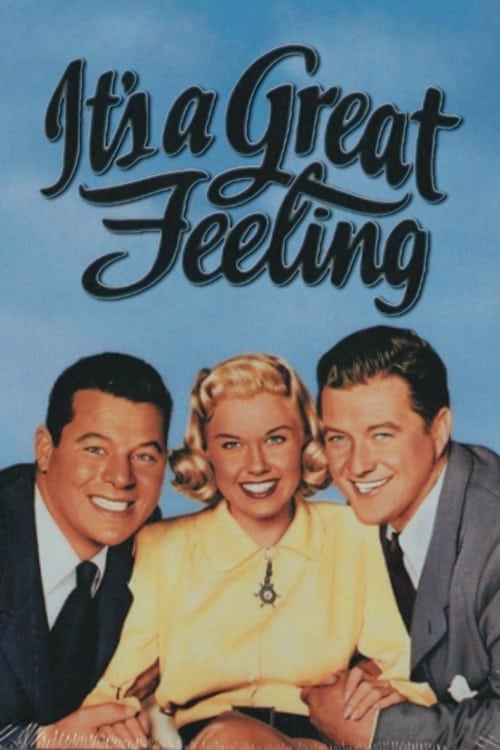
1949
No reviews yet. Be the first to share your thoughts on this movie!
Use the rating form above to leave a star rating and optional review.