Hurray for Hooligan
1937
No user ratings available yet
Representation score: 1.3 out of 10
Representation Score
Minimal
1923
Director
James D. Davis, Larry Semon
Runtime
21 minutes
Average Rating
No ratings yetNew Showbiz Analysis
Horseshoes is a quintessential example of early silent slapstick, prioritizing physical humor and situational absurdity over social commentary. The narrative is driven by physical gags, such as a tomato to the face and the use of horseshoes, rather than intentional character development. The film reflects the era's standard cinematic formulas, focusing on a masculine-centric conflict between a protagonist and an antagonist. This narrow focus results in a lack of diverse perspectives or characters who reflect more than one aspect of diversity. Ultimately, the work functions as a traditional comedy of errors. It does not attempt to disrupt social expectations or provide meaningful representation for underrepresented groups, remaining firmly within the homogeneous standards of 1923.
Category Breakdown
The film does not include any characters with non-binary or LGBTQ+ identities. There is no depiction of same-sex relationships or queer-coded subtext.
The story revolves around physical confrontations between male characters. It emphasizes masculine dominance and physical strength, reinforcing traditional gender roles without challenging them.
The plot focuses on a localized conflict with no indication of a diverse cast. It seems to follow the homogeneous casting practices typical of early 1920s American slapstick.
The film uses accidental chaos as a comedic device. While the underdog triumphs through luck, the story does not engage with broader cultural or institutional critiques.
There is no information available regarding the portrayal of physical or neurodivergent disabilities in this work.
Present on Screen
Limited or Absent
Official Synopsis
A boxer offers $50 to anyone who can stay in the ring with him for an entire minute. Larry, through a series of mix-ups--including hitting the boxer in the face with a tomato--winds up in the ring with him but, with the aid of some strategically placed horseshoes, manages to knock the boxer out. When he comes to and finds out what happened, the outraged boxer sets out after Larry.
1937
1926
1939
1955

1922
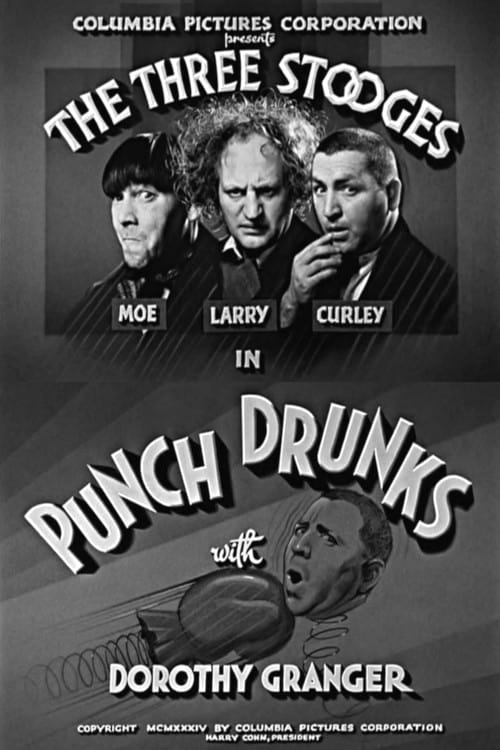
1934
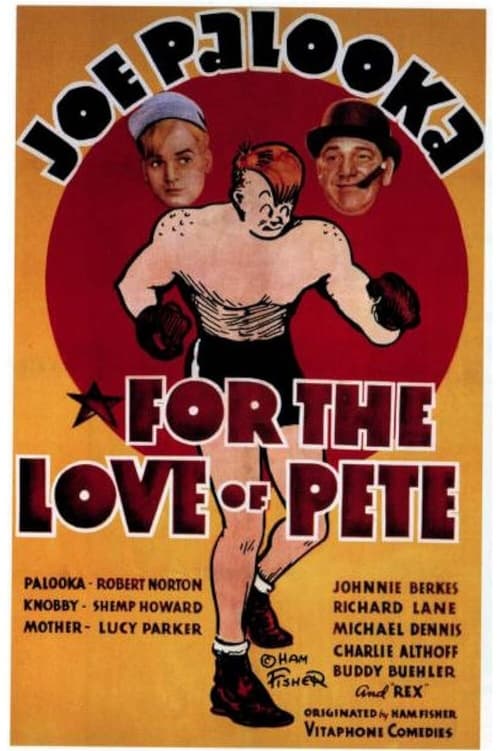
1936
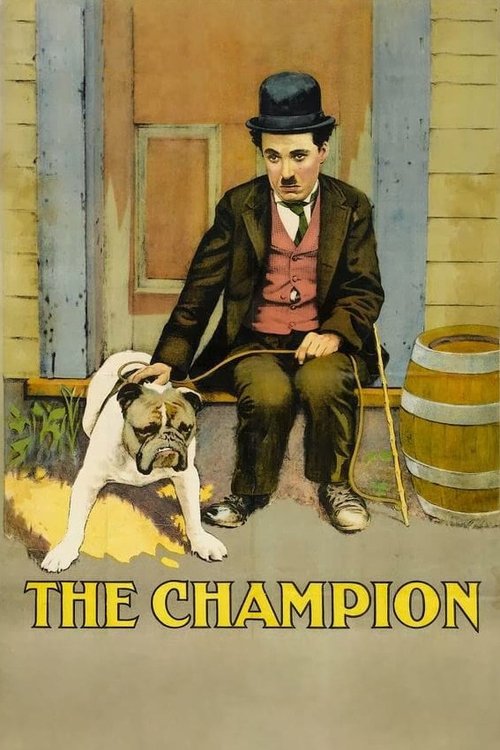
1915
No reviews yet. Be the first to share your thoughts on this movie!
Use the rating form above to leave a star rating and optional review.